In this guide
- 01Roof types at a glance: shape and material are two separate choices
- 02Gable vs hip roof: the comparison that matters most in Alberta
- 03Other pitched roof shapes: Dutch gable, gambrel, mansard, bonnet, butterfly and shed
- 04Flat and low-slope roofs: garages, additions and modern infill
- 05How roof shape handles snow, wind, hail and ventilation
- 06Roofing materials at a glance
- 07How roof shape changes replacement cost
- 08Which roof types and materials suit Airdrie and Calgary
- 09Choosing for the roof you already have
Roof types at a glance: shape and material are two separate choices
When people search for roof types they usually mean one of two things: the shape of the roof, or what it is covered with. They are separate decisions. A gable roof can carry asphalt shingles, standing-seam metal or cedar shakes; a flat roof cannot carry shingles at all. This guide covers the shapes first, the materials second, and then the part that matters most in Alberta, which is how the two combine under snow, hail and Chinook wind.
The shape of an existing house is mostly fixed. You can add a dormer or convert a gable end, but a roof replacement keeps the geometry you have. Understanding the roof types on your street still matters, because the shape sets the pitch, the number of valleys and the ventilation options, and those drive both cost and lifespan.
If you are here to choose shingles rather than shapes, our guide to the types of roof shingles goes into 3-tab, architectural, designer and Class 4 in detail, and the pillar on the best shingles for Alberta's climate makes the final call. This post stays at the level of whole roofs.
Gable vs hip roof: the comparison that matters most in Alberta
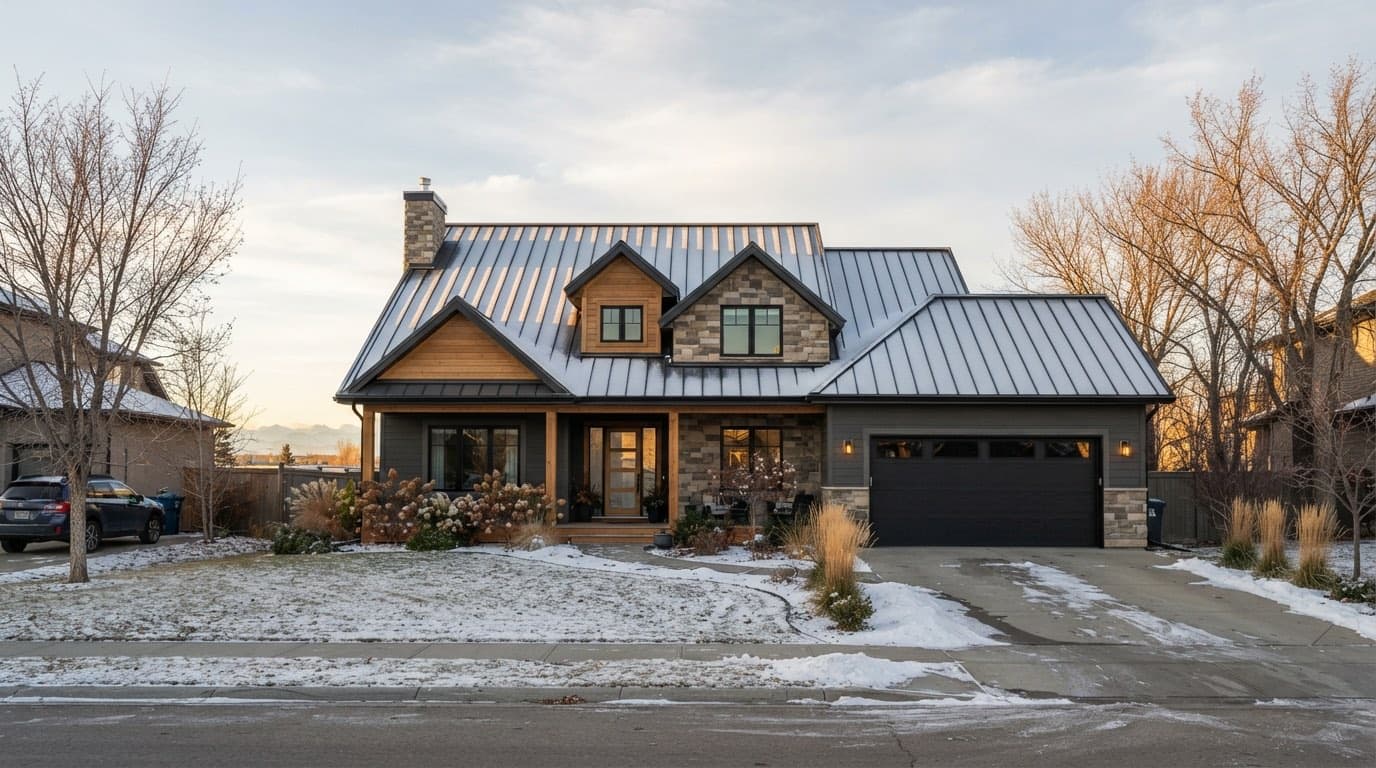
A gable roof is two slopes meeting at a ridge with a triangular wall at each end. A hip roof slopes on all four sides with no vertical gable walls. Between them they cover the great majority of homes in Airdrie, Calgary and every prairie town, and the choice between them is the one homeowners actually face when building or adding on.
| Factor | Gable roof | Hip roof |
|---|---|---|
| Wind resistance | Gable end walls catch wind; needs good bracing and shingle sealing on the windward edge | Best of the common shapes; no flat end to catch a Chinook |
| Snow shedding | Excellent at 4/12 pitch and above; snow slides off two sides | Very good; sheds on four sides but the hip lines hold a little more |
| Hail exposure | Two slopes; one usually faces the storm | Four slopes; damage spread across more faces, often more claim area |
| Attic ventilation | Easiest; gable vents plus soffit and ridge | Harder; short ridge, so relies on soffit and roof vents |
| Attic space | Most usable volume | Less headroom near the edges |
| Build and reroof cost | Lowest; few cuts, minimal waste | 10–20 percent more; more hips, more cutting, more cap shingles |
| Leak points | Ridge and gable-end flashing | Hips and any valleys where hips meet |
For a new build on an exposed lot in Windsong, Southwinds or the north edge of Prairie Springs, the hip's wind performance is worth the premium. For a sheltered infill lot or an addition, the gable's lower cost and easier ventilation usually win. On a reroof, you keep what you have, and the difference shows up in the quote as hip and ridge cap footage.
Other pitched roof shapes: Dutch gable, gambrel, mansard, bonnet, butterfly and shed
Beyond the two basics, a handful of roof types show up on Alberta homes, usually for style or to add living space under the roof.
- Dutch gable: a hip roof with a small gable perched on top. Adds a vent location and a bit of attic headroom; the extra flashing where the gable meets the hip is a leak point to detail carefully.
- Gambrel: the barn roof, with a steep lower slope and a shallow upper slope. Gives a full second storey of space but the shallow upper section holds snow and the transition line collects ice.
- Mansard: four steep lower slopes and a nearly flat top. Common on 1970s Calgary and Airdrie townhouses and fourplexes. The flat top needs membrane and the steep sides take hail almost square on.
- Bonnet: a hip with a kicked-out lower slope over a porch. Rare here; the kick creates a pitch change that must be flashed like a transition.
- Butterfly: two slopes meeting in a central valley. Modern infill style; the valley drains to one point and freezes solid in January unless heat-traced. Not recommended for prairie winters.
- Shed or skillion: a single slope. Cheap, simple and increasingly common on modern homes and additions. Works well if the pitch is 3/12 or more and it drains away from the house.
- Saltbox: an asymmetric gable with one long slope. Sheds snow well on the long side; the short side faces whatever the weather brings.
Every change of pitch, every valley and every place two shapes meet is a flashing detail, and flashing is where roofs leak. Simpler is more reliable in a climate that swings 40 degrees in a week. The pitch itself has its own effects on cost and material choice, which our roof pitch guide and calculator explains.
Flat and low-slope roofs: garages, additions and modern infill
A flat roof is never truly flat; it is built at a slope of roughly 1/4 inch per foot (about 2 percent) so water moves to drains or scuppers. Anything under about 2/12 pitch is considered low-slope and cannot be shingled, because shingles rely on gravity and overlap to shed water and will leak at that angle. Low-slope roofs get a membrane instead: modified bitumen (torch-on), EPDM rubber, TPO or PVC.
In Alberta the challenge is snow and ice. A flat roof holds its snow all winter, then melts from the bottom during a Chinook while the drains are still frozen, and the ponded water finds any seam. Good design puts drains at the low points with heat trace, keeps the membrane fully adhered, and avoids parapets that trap drifts. Done well, a membrane roof on a garage or a modern flat-roofed infill in Midtown lasts 20 to 30 years.
Most Airdrie homeowners meet a low-slope roof on a detached garage, a rear addition or a porch, tied into a pitched main roof. The transition between the two is the spot to watch; membrane must run up under the shingles by at least 300 mm and be flashed, and it is one of the most common leak locations we repair.
How roof shape handles snow, wind, hail and ventilation
Alberta asks four things of a roof that milder climates do not, and different roof types answer each one differently.
- Snow load: pitch matters more than shape. Between 4/12 and 8/12, snow slides off asphalt in a thaw and off metal almost immediately. Below 4/12 it accumulates; above 9/12 it avalanches, which is a hazard over doors and needs snow guards on metal.
- Wind: Chinooks gust past 100 km/h several times a winter. Hip roofs present no flat wall to the wind; gables need rake-edge shingles sealed and, on older homes, gable-end bracing. Low-slope roofs with parapets suffer uplift at the edges.
- Hail: hail falls at an angle, so the slope facing the storm takes the brunt. Steep slopes facing southwest to northwest, the usual storm track down Hailstorm Alley, take the hardest hits. Shape does not prevent hail damage; a Class 4 material does more than any geometry.
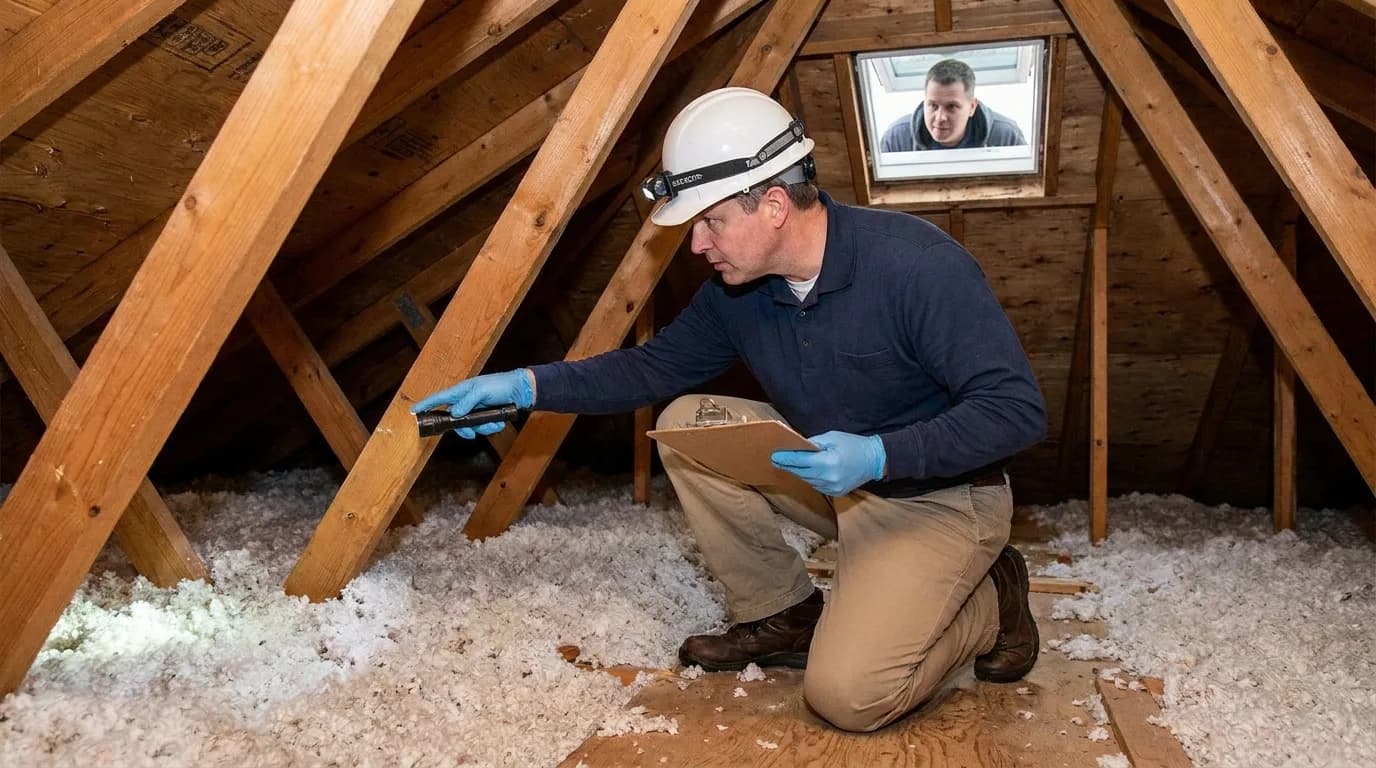
- Ventilation: gables are easiest to vent, hips hardest, mansards and flats need purpose-designed venting or a sealed, insulated deck. Poor venting shortens shingle life and causes ice dams regardless of shape.
- Ice dams: valleys, dormers and low-slope sections where warm and cold roof areas meet are where dams form. Simple, well-vented roofs have fewer of them.
The practical result is that a moderately pitched gable or hip with clean lines outperforms a more elaborate roof in every column, which is why builders in Reunion, Cooper's Crossing and Kings Heights keep returning to those shapes.
Roofing materials at a glance
Once the shape is settled, the material sets the budget, the lifespan and the hail performance. The table below covers the roof types by material that are realistic in Alberta, with rough installed cost per square (100 square feet) as of 2026, all market guides rather than quotes.
| Material | Rough installed cost per square (2026) | Typical Alberta lifespan | Hail (Class 4 available?) | Minimum pitch | Notes |
|---|---|---|---|---|---|
| Architectural asphalt shingle | $450–$800 | 20–30 years | Yes, on IR versions | 2/12 with special underlay, 4/12 normal | Most common; IKO, BP, GAF, Owens Corning, Malarkey all sold here |
| Class 4 impact-resistant asphalt | $550–$950 | 25–35 years | Yes (UL 2218) | Same | Insurer premium discounts in Alberta |
| Standing-seam or metal panel | $1,200–$2,500 | 40–60 years | Yes, most profiles | 3/12 (some to 1/12) | 2–3 times asphalt; sheds snow fast, needs snow guards |
| Metal shingle or stone-coated steel | $1,000–$2,000 | 40–50 years | Yes | 3/12 | Looks like shingle or shake; lighter than tile |
| Rubber or composite shake | $900–$1,800 | 30–50 years | Yes | 4/12 | Recycled rubber or polymer; good hail performance |
| Cedar shake | $1,000–$2,000 | 20–35 years | No | 4/12 | Traditional look; needs maintenance, fire and hail concerns |
| Concrete or clay tile | $1,200–$2,500 | 50+ years | Concrete yes, clay brittle | 4/12 | Heavy; framing must be checked; rare in Airdrie |
| Membrane (torch-on, EPDM, TPO) | $700–$1,500 | 20–30 years | Puncture risk | Flat to 2/12 | Only option for low-slope |
Asphalt dominates for a reason: on a typical two-storey it prices at $10,000 to $16,000 and the Class 4 version qualifies for an insurance discount. Metal is the main alternative and is gaining ground after every big hail year, and at the specialty end of the market some homeowners weigh solar shingles as a roof-and-power combination instead. Our comparison of metal roofs and shingles in Alberta works through the 40-year math, and our metal roofing service in Airdrie covers the profiles and what they cost on a real house.
How roof shape changes replacement cost
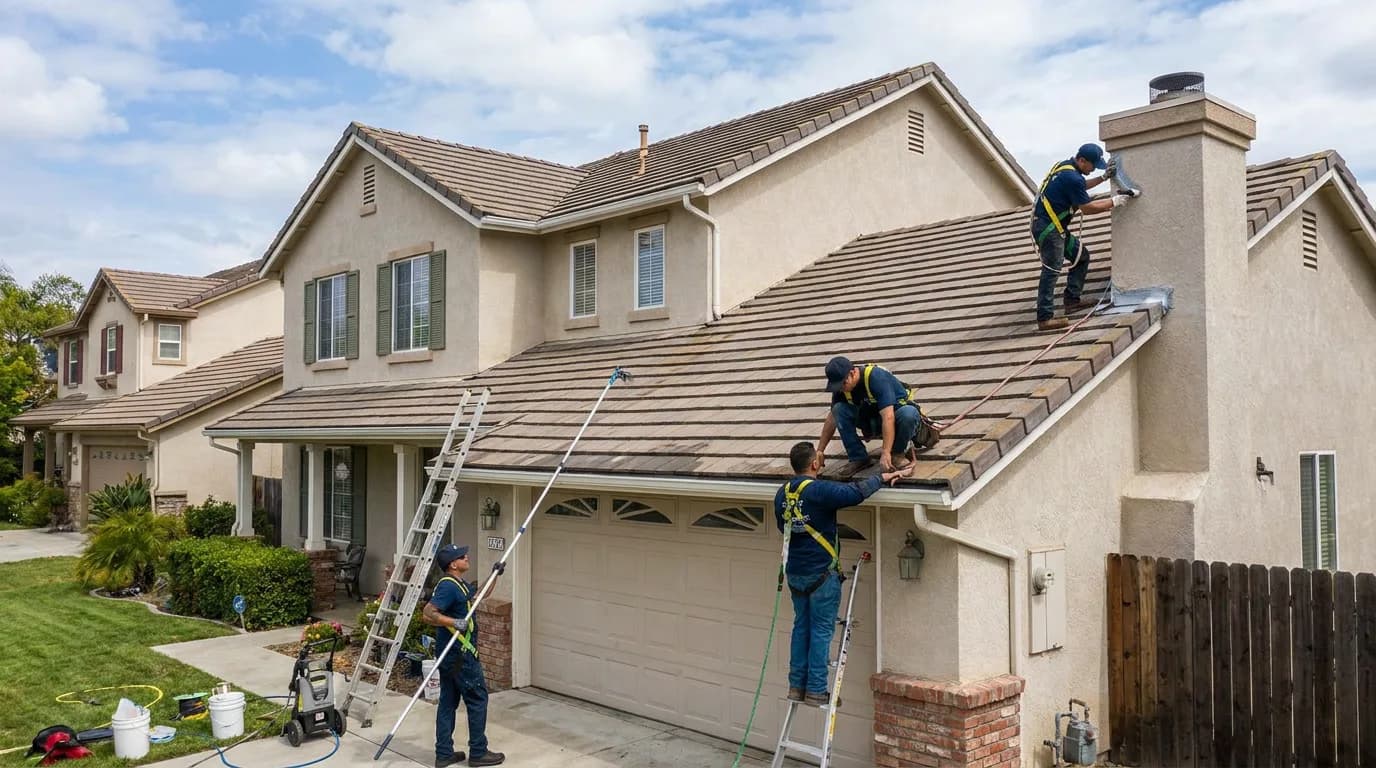
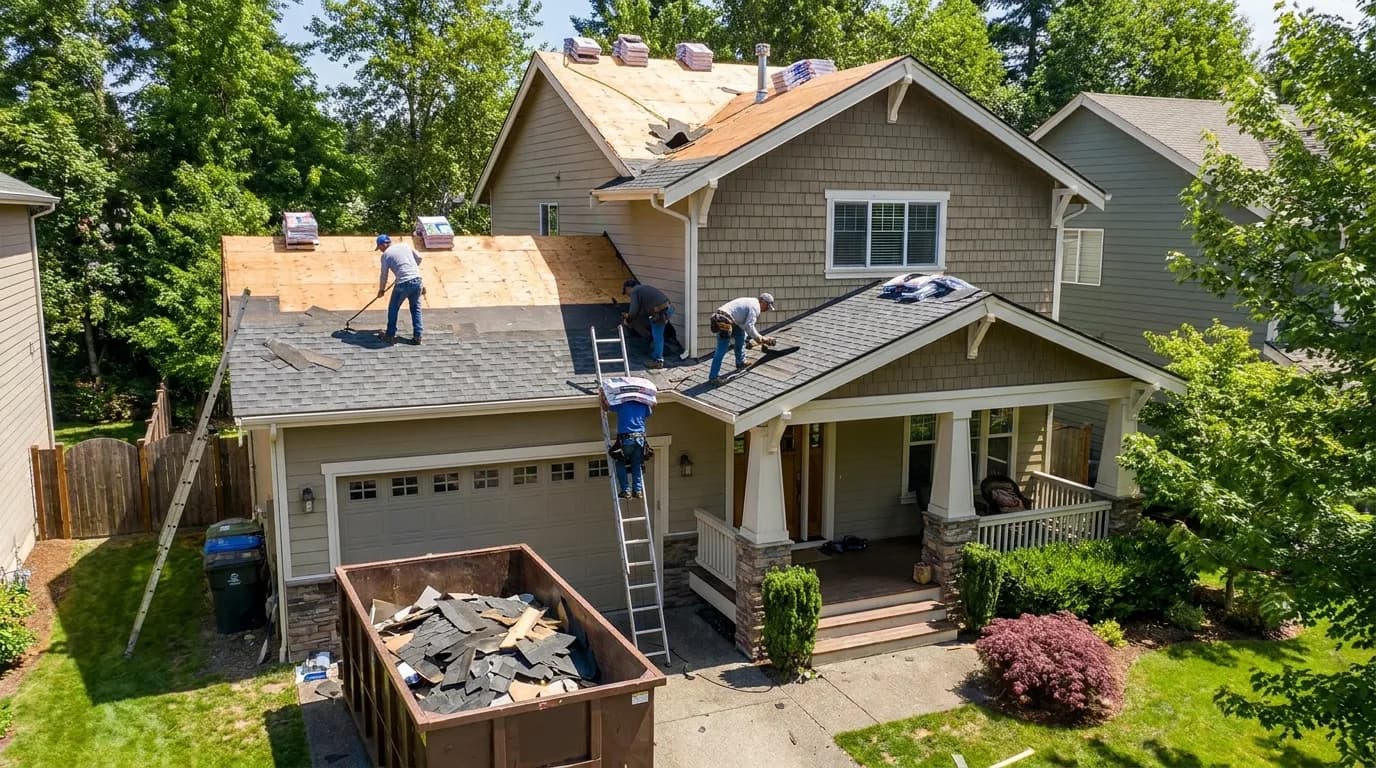
Two houses can have the same square footage of roof and very different reroof bills, and the shape is the reason. Roofers price on area, but they adjust for pitch, complexity and access, because each of those changes how long the job takes and how much material is wasted.
| Roof characteristic | Effect on replacement cost (guide) | Why |
|---|---|---|
| Simple gable, 4/12–6/12, one storey | Baseline | Walkable, few cuts, minimal waste |
| Hip roof, same pitch | +10–20% | More cutting, more hip cap, more waste |
| Pitch 8/12 and up | +15–30% | Harnesses, staging, slower work |
| Each valley | +$300–$800 | Ice-and-water shield, metal or woven valley, cutting |
| Dormers, skylights, chimneys | +$200–$800 each | Flashing and step work |
| Two storeys or walkout | +5–15% | Ladder and lift time, safety setup |
| Multiple pitch changes (gambrel, bonnet) | +15–30% | Transition flashing and layout |
| Low-slope section tied to pitched | Priced separately | Different material and crew |
Add these together and a complex hip roof with two dormers and three valleys on a steep two-storey can cost 40 to 50 percent more to replace than a plain gable of the same area. That is why quotes for two similar-sized houses on the same street can differ by several thousand dollars. When comparing roof types for a new build or major renovation, the reroof cost every 25 years is part of the ownership cost, not just the first build.
Which roof types and materials suit Airdrie and Calgary
For a new home or a major renovation in the Calgary–Airdrie corridor, the combinations below are the ones that hold up.
- Hip or gable at 5/12 to 8/12 with Class 4 architectural asphalt: the default for good reason. Sheds snow, resists wind at a sensible pitch, qualifies for insurer discounts and reroofs at the lowest cost.
- Hip or gable with standing-seam metal: the long-term choice on an exposed lot or for anyone tired of hail claims. Add snow guards over entries and eavestroughs.
- Shed roofs at 3/12 or steeper with metal: modern additions, garages and laneway suites; drain them away from the house and the neighbour.
- Low-slope with fully adhered membrane and heat-traced drains: flat-roofed infill and mansard tops, designed for ponding and ice rather than hoping it will not happen.
- Avoid: butterfly roofs, unheated internal drains, cedar on a southwest exposure, and any design that puts a valley where drifting snow will fill it.
The material rating matters more than the geometry here. Airdrie sits in Hailstorm Alley, the corridor from Calgary through Airdrie to Red Deer, and the Insurance Bureau of Canada reports Alberta has had a major hailstorm every year for two decades with more than $11 billion in insured damage over that period. Among all roof types, the one that survives that record is whichever one carries a UL 2218 Class 4 rating, whether asphalt, metal or rubber. Our guide to Class 4 impact-resistant shingles in Alberta explains the rating and the premium discounts.
Choosing for the roof you already have
If you own an existing home, the shape question is answered and the useful decisions are pitch-appropriate material, ventilation that matches the geometry, and a contractor who details the valleys, hips and transitions properly. A hip roof needs its soffit and roof vents balanced because it has little ridge; a gable needs its rake edges sealed against Chinook uplift; a low-slope tie-in needs membrane run up under the shingles.
Apex Roofing Airdrie provides free, no-obligation on-site estimates for roof replacement in Airdrie with an itemised written quote that spells out the material, the valley and flashing details and the ventilation plan for your particular roof shape, backed by a written workmanship guarantee on top of the manufacturer warranty. Whether your house is a 1980s gable in Big Springs or a new hip roof in Bayside, the quote is built around the roof you have, and we will tell you plainly which roof types and materials we would not recommend for it.
Written by the Apex Roofing Airdrie crew
Practical guidance from the local roofers who inspect, repair and replace roofs across Airdrie and Rocky View County every season. We review our guides against current Alberta practice and update them when materials, code or insurer behaviour changes. About our team.