In this guide
- 01Choosing the best shingles for Alberta's brutal climate
- 02Why Alberta's climate is so hard on shingles
- 03What to look for in a hail-resistant roof
- 04Shingle options, tiered by performance
- 05The insurance angle for Class 4 shingles
- 06Installation and ventilation decide the real lifespan
- 07How to compare shingle brands without the marketing
- 08Colour, warranty, and the finishing decisions
Choosing the best shingles for Alberta's brutal climate
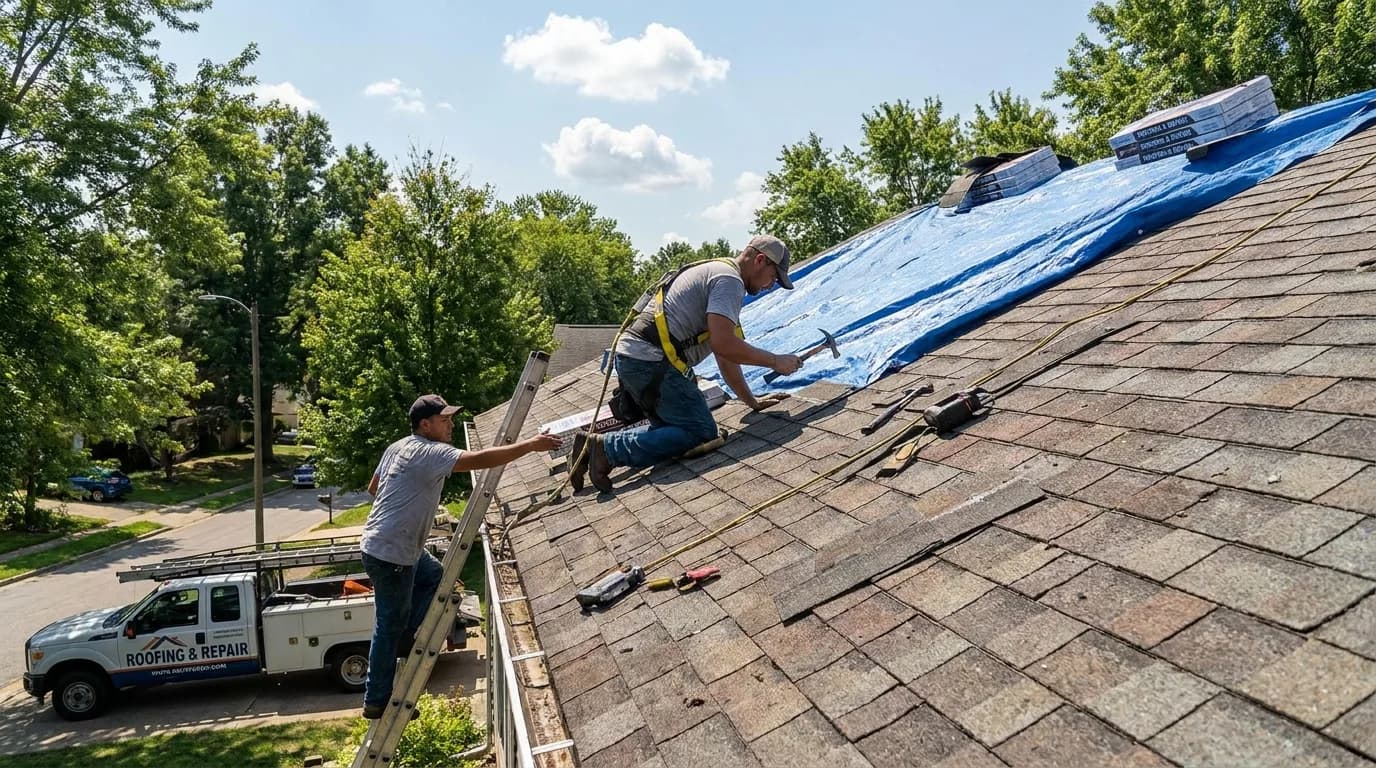
If you live in Airdrie or anywhere along the Calgary corridor, your roof faces some of the harshest conditions in Canada. Picking the right shingle is not about chasing a brand name. It is about matching the material to the weather it has to survive, year after year.
Alberta sits in the middle of what insurers call Hailstorm Alley. Add Chinook winds, sharp temperature swings, intense UV at altitude and repeated freeze-thaw cycles, and you have a climate that finds the weak point in any roof. The good news: some shingles are built specifically for this. In this guide we walk through what makes Alberta so hard on roofs, what to look for, and how the main shingle options stack up by real-world performance.
Why Alberta's climate is so hard on shingles
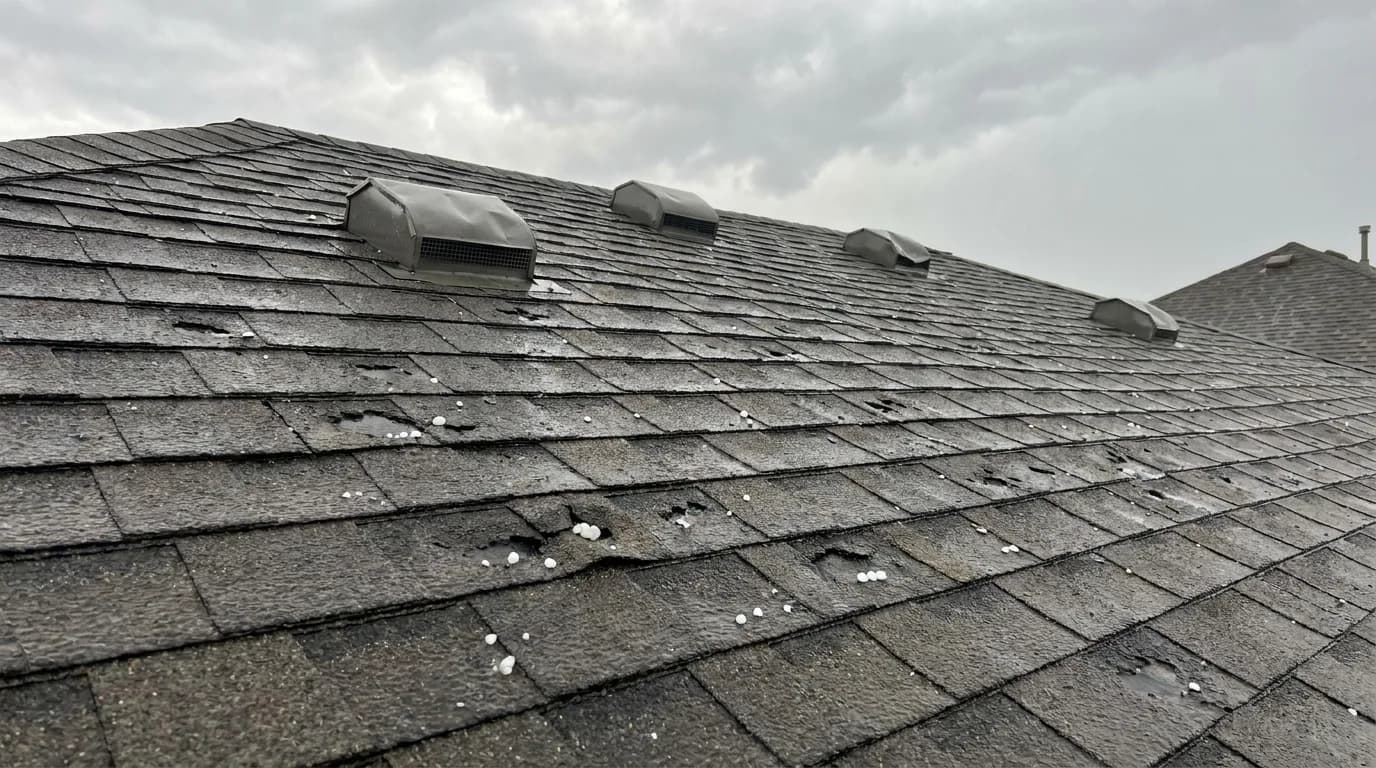
Hail is the headline threat. Stones ranging from pea-sized to golf-ball-sized strike the roof with enough force to bruise or crack asphalt, knock granules loose and shorten the life of the shingle long before you notice a leak. A single severe storm can age a standard roof by years in minutes.
Wind is the second factor. Chinooks can gust hard and fast, and wind does not just push on shingles, it lifts them. Once an edge lifts, water and more wind get underneath, and the failure spreads. This is why a shingle's wind rating and the quality of its seal both matter.
Then there is the cold. Big temperature swings and freeze-thaw cycles make roofing materials expand and contract constantly, which stresses seams and fasteners. Meltwater can refreeze at the eaves and form ice dams that force water back up under the shingles. On top of all that, high-altitude UV slowly breaks down the asphalt itself. A shingle for Alberta has to handle every one of these at once.
What to look for in a hail-resistant roof
Start with impact resistance. The benchmark is the UL 2218 test, which drops steel balls onto shingles to rate how well they resist cracking. Class 4 is the highest rating and the one worth prioritising in hail country. Class 4 shingles will not make your roof indestructible, but they are far more likely to shrug off a storm that would damage a standard product.
Next, check the wind rating. Look for shingles rated to high wind speeds, and make sure the installer follows the manufacturer's high-wind nailing pattern. A great shingle nailed incorrectly will still blow off.
Finally, remember that the shingle is only one layer of a system. Proper attic ventilation keeps temperatures even, reduces ice damming and stops heat and moisture from cooking the underside of the roof. A quality ice-and-water shield membrane at the eaves and in the valleys protects the vulnerable spots where leaks usually start. In Alberta, these details often matter as much as the shingle you choose on top of them.
Shingle options, tiered by performance
Standard 3-tab shingles sit at the bottom tier. They are the thinnest and cheapest asphalt shingles, with a flat single-layer look and the shortest lifespan. In a hail-prone, high-wind region they are the most likely to be damaged and the least cost-effective over time. We rarely recommend them as the right choice for an Alberta roof.
Architectural shingles, also called laminate or dimensional shingles, are the mid-tier and the most common upgrade. They use two bonded layers, so they are thicker, heavier and more wind-resistant than 3-tab, with a richer look and a longer expected life. For homeowners on a tighter budget they are a sensible step up, especially when paired with good installation and ventilation.
Impact-resistant Class 4 shingles are the top asphalt tier for our climate. Many are polymer-modified, meaning the asphalt is blended with a rubber-like polymer (often SBS) that lets the shingle flex and absorb a hail strike instead of cracking. These carry that UL 2218 Class 4 rating and are purpose-built for Hailstorm Alley. Two of the products we install most often at this tier are covered in our IKO Dynasty shingles review and our Owens Corning Duration shingles review. For most Airdrie homeowners replacing a roof, this is the tier that delivers the best long-term value.
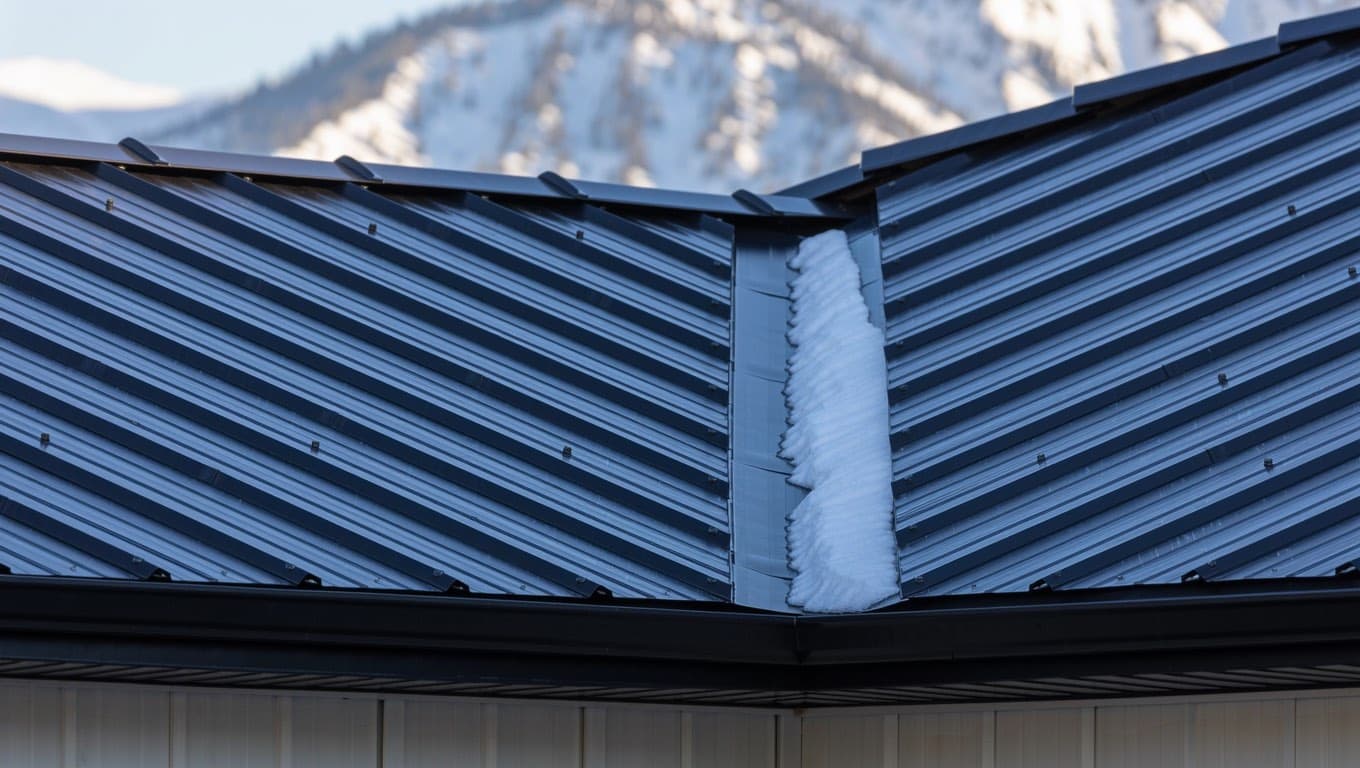
Metal roofing is the premium alternative. A quality steel roof offers excellent impact and wind resistance and a very long lifespan, though it comes at a higher upfront cost and is a different installation altogether. It is worth considering if you plan to stay in the home for decades and want the longest-lasting option available. Homeowners chasing energy performance rather than just durability sometimes ask about solar shingles as well, though the economics and installation differ sharply from either asphalt or standard metal.
The insurance angle for Class 4 shingles
Choosing impact-resistant shingles can have a financial upside beyond fewer repairs. Because Class 4 products are designed to withstand hail, they may qualify for an insurance premium discount with some Alberta insurers. Discounts and eligibility vary, so check your policy and ask your provider directly before assuming it applies to you.
Just as important, a more durable roof means fewer claims over its life. Every hail claim carries a deductible and can affect your premiums, so a roof that survives a storm intact can save you money and hassle even if no discount is offered. We always recommend treating any potential premium reduction as a bonus rather than the main reason to upgrade. The primary reason is keeping your home dry and your roof on through the next storm.
Installation and ventilation decide the real lifespan
Here is the part homeowners often overlook: the warranty on the box is not the warranty on your roof. A premium Class 4 shingle installed with the wrong nails, in the wrong spots, or over a poorly ventilated attic will fail early no matter how good the product is. The shingle sets the ceiling for performance. The installation decides whether you get anywhere near it.
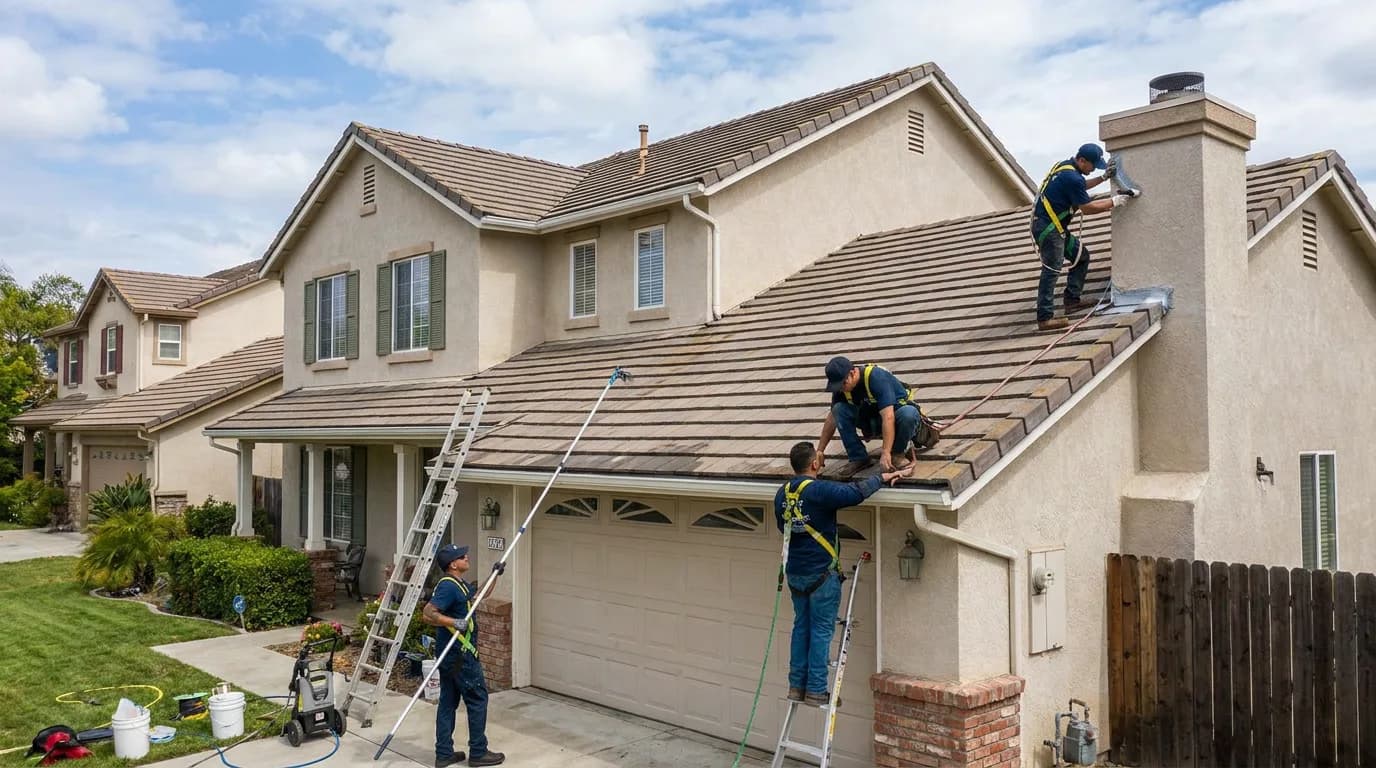
That means correct nail placement and the manufacturer's high-wind pattern, proper flashing at every penetration, ice-and-water shield where it counts, and balanced intake and exhaust ventilation so the attic breathes. Done right, these details are what turn a good shingle into a roof that actually lasts through Alberta's worst.
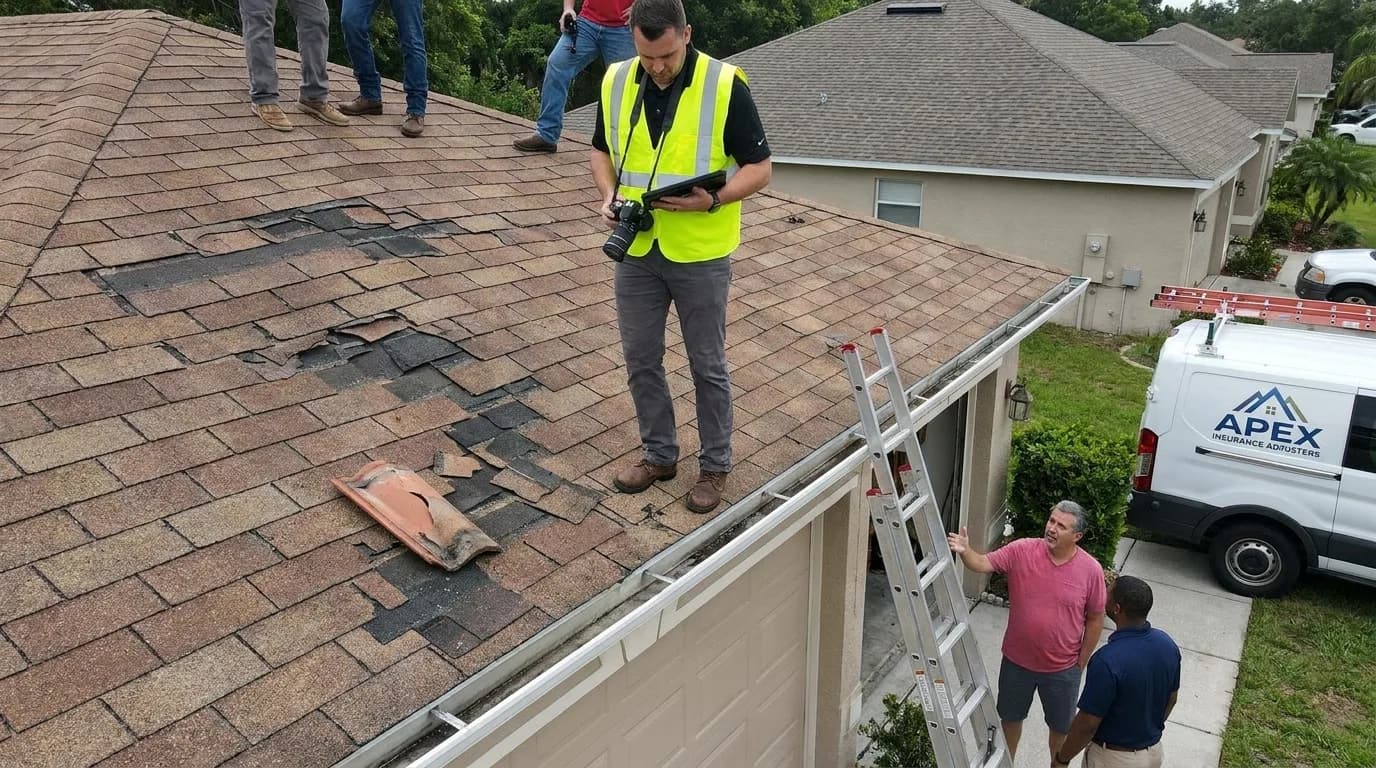
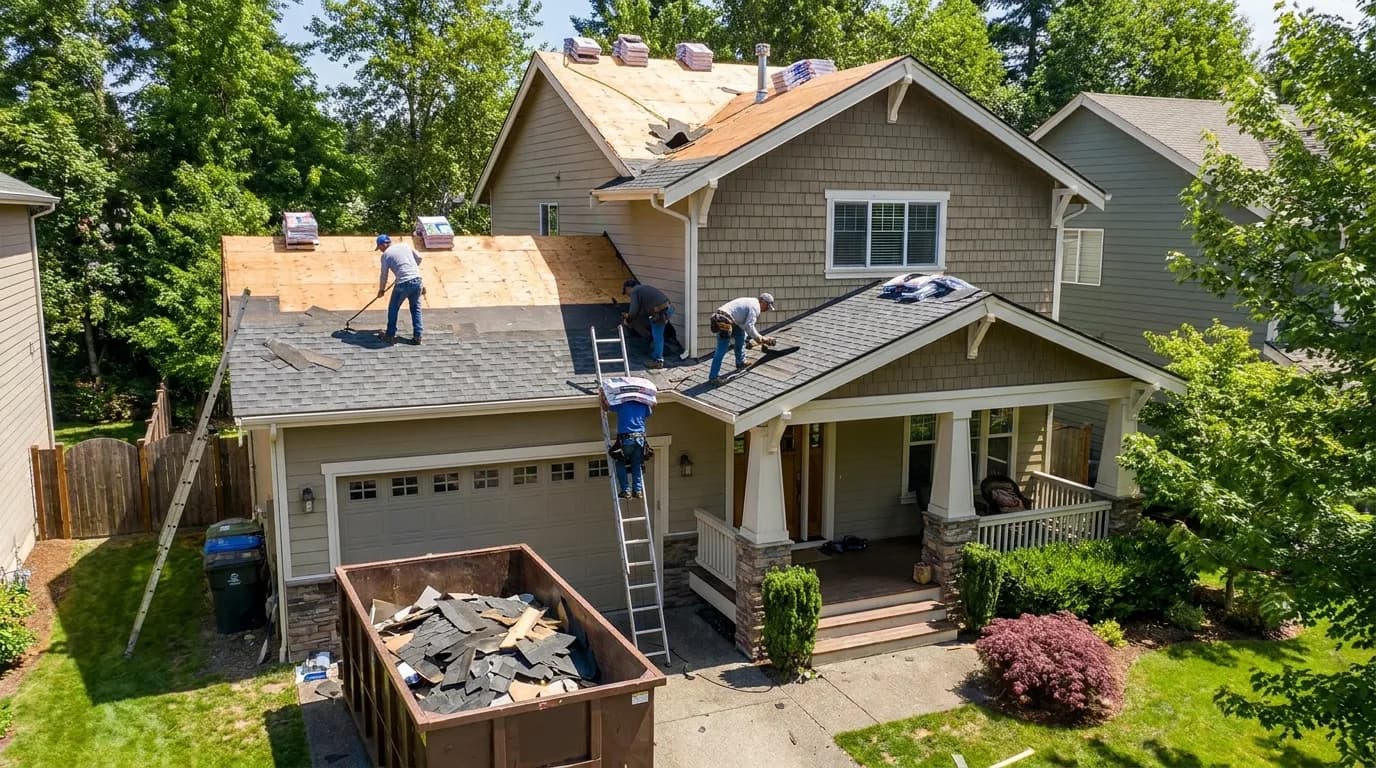
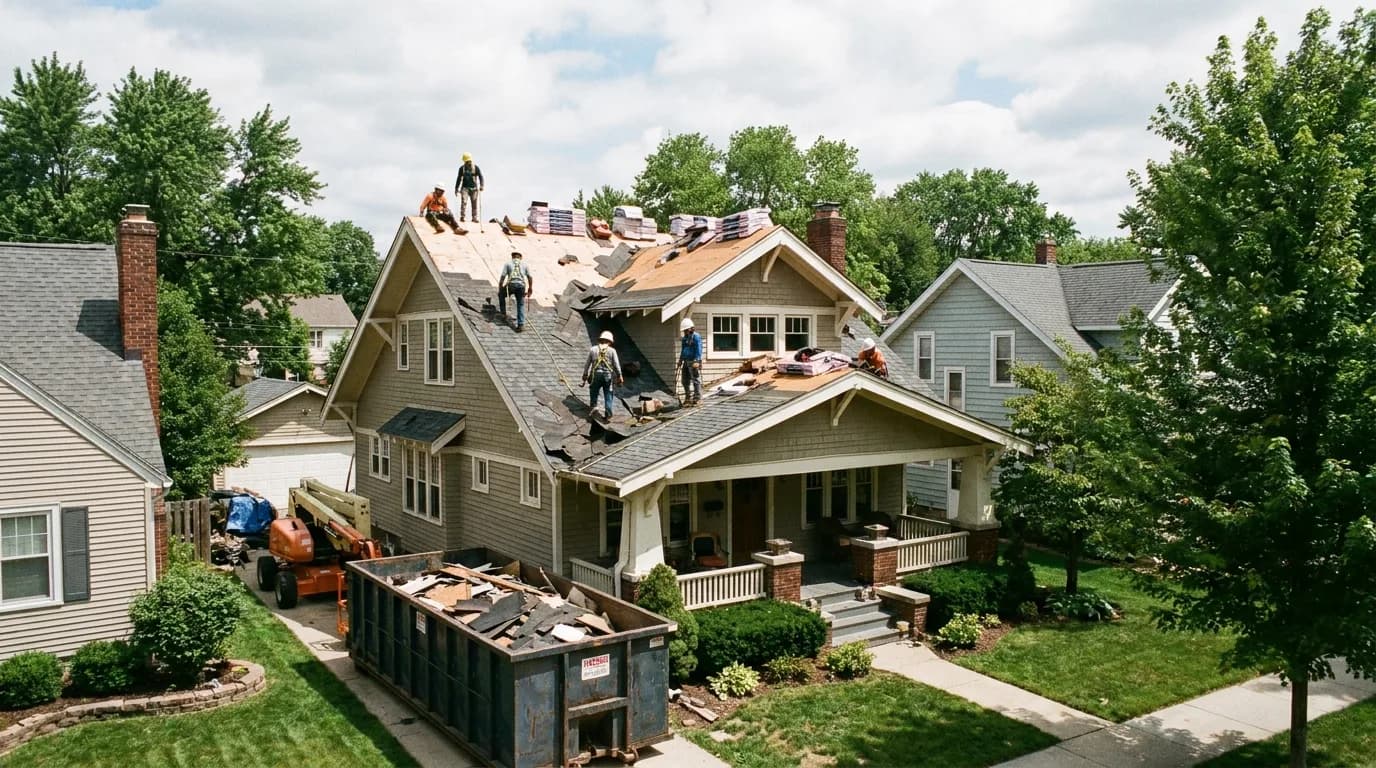
If you are weighing a roof replacement in Airdrie, the smart move is to decide on the right performance tier for your situation and budget, then make sure whoever installs it follows the full system spec. A free, honest assessment of your current roof is the best place to start. Reach out to Apex Roofing Airdrie and we will walk you through your options without the sales pressure.
How to compare shingle brands without the marketing
Every manufacturer claims to make the best shingles for Alberta, so ignore the slogans and compare the specifications that actually predict performance here. Four numbers do most of the work. First, the UL 2218 impact rating, where Class 4 is the top tier and the one to prioritise in hail country. Second, the wind rating, which tells you the speed the shingle is warranted to withstand when nailed correctly. Third, whether the shingle is polymer-modified, often with SBS, which is what lets it flex and absorb a hail strike in the cold instead of cracking, and whether it is built on a fibreglass mat rather than the older organic mat design. Fourth, the warranty terms, read in full rather than trusting the headline number.
Beyond the spec sheet, weigh two practical things. One is local availability: a shingle you can actually source in the Calgary corridor, in a colour you can match years later for a repair, beats an exotic product no one stocks. The other is the installer. The same premium shingle performs very differently depending on who nails it down, so a proven local crew that installs a given product every week is often a better bet than the brand name on the wrapper. We are happy to show you sample boards and the data sheets side by side so you are choosing on facts, not packaging.
Colour, warranty, and the finishing decisions
Once you have settled on a performance tier, a few finishing choices shape the result. Colour is more than looks: in a snow-and-Chinook climate, both light and dark roofs perform fine, so choose for curb appeal and how it sits against your siding and brick, while remembering that a common colour is easier to match for a future repair. Our guide to roof shingle colours in Alberta walks through the popular options in more detail. A fresh, well-chosen roof is also one of the most visible upgrades a buyer notices, so it tends to support resale value as well as protect the home.
On warranties, learn the difference between the material warranty from the manufacturer and the workmanship warranty from the roofer, because you need both. Read whether the material coverage is prorated, which declines over time, or non-prorated for an initial period, and whether it transfers to the next owner, a genuine selling point. Many manufacturer warranties also assume the roof is installed by an approved contractor and maintained, which is one more reason the crew matters as much as the shingle. We register your product warranty on your behalf and back the installation in writing, so both halves of the coverage are in place from day one.
Written by the Apex Roofing Airdrie crew
Practical guidance from the local roofers who inspect, repair and replace roofs across Airdrie and Rocky View County every season. We review our guides against current Alberta practice and update them when materials, code or insurer behaviour changes. About our team.