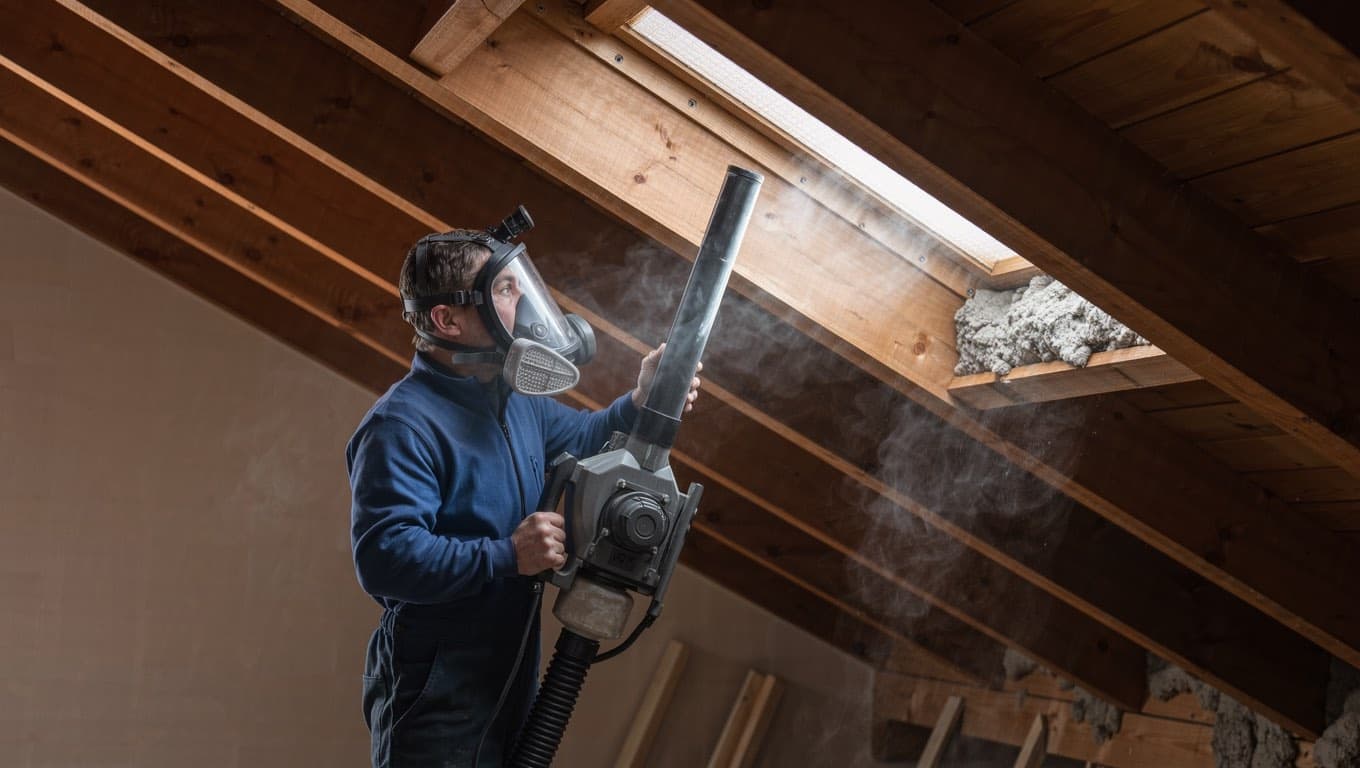
Attic Insulation & Top-Up in Airdrie
Attic insulation Calgary and Airdrie top-ups: blown-in cellulose or fibreglass to current Alberta R-value, with a free roof and ventilation check.
- Free estimates
- Insurance-claim support
- Written guarantee
An attic insulation Calgary and Airdrie top-up starts with checking what you already have against the R-50 to R-60 that Alberta's climate calls for, then topping it up with blown-in cellulose or fibreglass to close the gap. We check the vapour barrier, install baffles so the new insulation cannot block soffit ventilation, air-seal the attic hatch and penetrations, and check the roof deck for problems while we are already up there.
What Attic Insulation & Top-Up in Airdrie Involves
What to expect from attic insulation & top-up with Apex Roofing Airdrie, start to finish.
Attic insulation in Calgary and Airdrie homes does one job: it slows the rate heat moves from the warm living space below into the cold attic above, and a top-up simply adds more of that slowing power to insulation that has settled, thinned, or was never enough to begin with. Alberta's winters ask more of an attic than almost anywhere else in the country, with months of sub-zero nights followed by Chinook swings that can flip the temperature by thirty degrees in an afternoon, so an attic that is under-insulated shows up fast as high heating bills, cold upstairs rooms, and ice damming at the eaves. Most homes built from the 1980s through the early 2000s across Airdrie and north Calgary were insulated to the standard of their day, which is thinner than what current Alberta recommendations call for, so a top-up on an otherwise sound roof, whether you call it attic insulation Calgary work or attic insulation Airdrie work, is one of the most straightforward upgrades a homeowner can make.
One of the clearest outdoor signs of thin attic insulation Calgary and Airdrie homeowners can spot without going near the attic is a roof that clears snow unevenly after a fresh fall. Snow that melts fast over the middle of the roof while staying deep along the eaves means heat is leaking straight up through the ceiling and attic into the shingles, and that same pattern is what drives ice damming later in the season. Inside the house, rooms directly under the attic that never quite warm up, a noticeable draft near ceiling light fixtures or the attic hatch, and a heating bill that has crept up without any change in how the house is used are all worth having checked before winter rather than during it.
Alberta's climate zone calls for attic insulation in the R-50 to R-60 range for most homes, well above the R-20 to R-31 that was common when many Airdrie and Calgary-area subdivisions were built. In practical terms, R-50 works out to roughly 16 to 18 inches of blown cellulose or fibreglass, and R-60 closer to 20 to 22 inches, depending on the product's settled R-value per inch. A quick way to check your own attic without climbing all the way in is to look at the height of insulation against the ceiling joists from the hatch: if you can still clearly see the tops of the joists, the attic is very likely under the current recommendation and a top-up will pay for itself in comfort and heating cost. That comparison holds whether the conversation is about attic insulation Calgary crews are quoting on one street or an Airdrie top-up on the next, since the same R-50 to R-60 target applies across the whole region regardless of which side of the city boundary the house sits on.
Blown in attic insulation, usually cellulose made from recycled, fire-treated paper fibre, is what we use for most top-ups because it settles into an existing layer of any type, fills around wiring, framing, and pot lights without gaps, and has a slightly better track record resisting airflow through the insulation layer than loose fibreglass. Blown-in fibreglass is a reasonable alternative, lighter and non-combustible by nature, though it is more sensitive to air movement through the attic and performs best when the attic is also well air-sealed first. Batt insulation, the pre-cut fibreglass or mineral wool panels laid between joists, suits new construction or a gutted attic but is a poor choice for a top-up over existing loose-fill insulation, since it cannot conform around what is already there and leaves gaps at every seam. For nearly every attic insulation Calgary or Airdrie top-up we do, blown-in cellulose over the existing material is the practical answer.
An attic insulation top up starts with a look at what is actually up there, since we need to know the existing material, its depth, and its condition before adding anything on top of it. We check the attic hatch and any knee walls for a vapour barrier and confirm it is intact rather than torn or missing, because blowing new insulation over gaps in the vapour barrier traps moisture instead of stopping it. Baffles are installed or confirmed at the eaves so the new, thicker layer of insulation cannot block the soffit intake vents feeding the roof's ventilation, which is a common and completely avoidable mistake on a rushed job. The new material is then blown in to the target depth, checked with a measuring stick in several spots rather than just at the hatch, and any gaps around the attic hatch itself, pot lights, or top plates are sealed as part of the same visit rather than left for later.
Attic insulation cost in the Airdrie and Calgary area depends mostly on attic size, how much usable insulation is already there, and how easy the attic is to access. A straightforward top-up over an accessible attic with a decent existing base is the cheapest scenario, while an attic with knob-and-tube wiring, extensive pot lights, low headroom, or insulation that needs to be removed first because it is wet, compressed, or contaminated will cost more due to the extra labour involved. As a rough 2026 market guide, a standard top-up on an average Airdrie or Calgary-area attic runs somewhere in the 1,500 to 4,000 dollar range, with larger or more complicated attics running higher. Those numbers are a starting point rather than a quote, and we give an exact, itemised written price after seeing the attic in person.
Utility and government programs for insulation upgrades in Alberta come and go and change their eligibility rules regularly, so rather than quote a dollar figure that may already be out of date, we check what is currently available for your address when we quote the job and point you toward the program's own application process. Some programs run through the utility, some through the province, and some through the municipality, and Calgary's programs are not always identical to what applies just across the boundary in Airdrie or Rocky View County. Attic insulation Calgary and Airdrie homeowners both search for these programs, and confirming current eligibility matters more than any figure we could quote today, so confirm the programs, amounts, and eligibility with your municipality or utility provider before assuming a rebate will apply, and keep your itemised invoice, since most programs require it as proof of the work done.
Attic insulation and attic ventilation are a package deal, not two separate decisions, and doing one without the other undoes a lot of the benefit. Insulation slows heat loss, but any heat that does escape into the attic still needs somewhere to go, and that is the job of the intake and exhaust vents working together. An attic that gets a thick new layer of insulation but has its soffit intake accidentally buried underneath it, which happens on a rushed top-up, will hold onto moisture and heat instead of moving them out, which is exactly the condition that grows attic frost and drives ice damming at the eaves. Every top-up we do includes a check of the existing ventilation, and if the vents are blocked, undersized, or simply missing, we say so and offer to fix that alongside the insulation rather than leaving half the job done.
Timing matters more in Alberta than in most places. The easiest window for a top-up is late spring through early fall, when the attic is dry and access is straightforward, and getting it done before the first hard freeze is what saves you a winter of ice damming rather than the winter after. If a hailstorm has put a reroof on the table, that is the natural moment to do both, since we are on the roof and in the attic anyway and can document any hail or wind damage to the deck, vents and flashing at the same time. Whether insulation or ventilation work carried out alongside a storm-driven reroof forms part of that claim depends on your policy, so confirm the details with your insurer or broker before assuming either way, and confirm any code or permit requirements that apply to your home with the City of Airdrie.
Because attic insulation work puts us in the attic anyway, we use the visit to check the underside of the roof deck for staining, daylight through the sheathing, or soft spots that point to a leak the homeowner has not noticed yet, along with the state of the flashing around any vents or chimney penetrations visible from inside. That is a check most dedicated attic insulation contractors are not set up to offer, and it can catch a small roof problem long before it becomes a bigger one. A top-up is also worth timing around a full roof replacement when one is coming up, since the attic is often disturbed anyway during that work and adding insulation at the same time saves a second visit. Whether you are calling about attic insulation Calgary homeowners search for, an Airdrie top-up, high heating bills, or ice damming, the estimate is free, itemised in writing, and comes with no obligation to book anything.
Signs you need attic insulation & top-up in Airdrie
Heating bills that keep climbing
A rising heating cost with no change in how the house is used often traces back to attic insulation that has settled or thinned over the years.
Cold rooms directly under the attic
Bedrooms and hallways under a thinly insulated attic stay noticeably colder than the rest of the house, even with the furnace working hard.
Ice damming along the eaves
Heat escaping through under-insulated ceiling area melts snow unevenly and refreezes at the cold eaves, the classic Alberta ice-dam pattern.
Visible frost on the attic side of the roof deck
Frost forming overnight and thawing during the day is moisture from the house condensing where insulation and ventilation are not keeping up.
Insulation that looks thin, patchy or compressed
Loose-fill insulation settles over time and batt insulation gets compressed wherever it has been walked on or stored over, both losing R-value.
Uneven snow melt on the roof
Snow clearing fast over the middle of the roof while staying deep at the eaves is heat escaping straight up through a thin attic.
What Attic Insulation & Top-Up in Airdrie Includes
Every attic insulation & top-up we carry out in Airdrie is done by our own crew to the same standard.
- Attic inspection: existing insulation depth, condition, and vapour barrier check
- Blown-in cellulose or fibreglass top-up to current Alberta R-value recommendations
- Soffit baffle installation so new insulation cannot block intake ventilation
- Air sealing at the attic hatch, pot lights, and top plates
- A visual check of the roof deck and flashing while we are already in the attic
- Itemised written quote before any work begins, with current rebate programs flagged where they apply
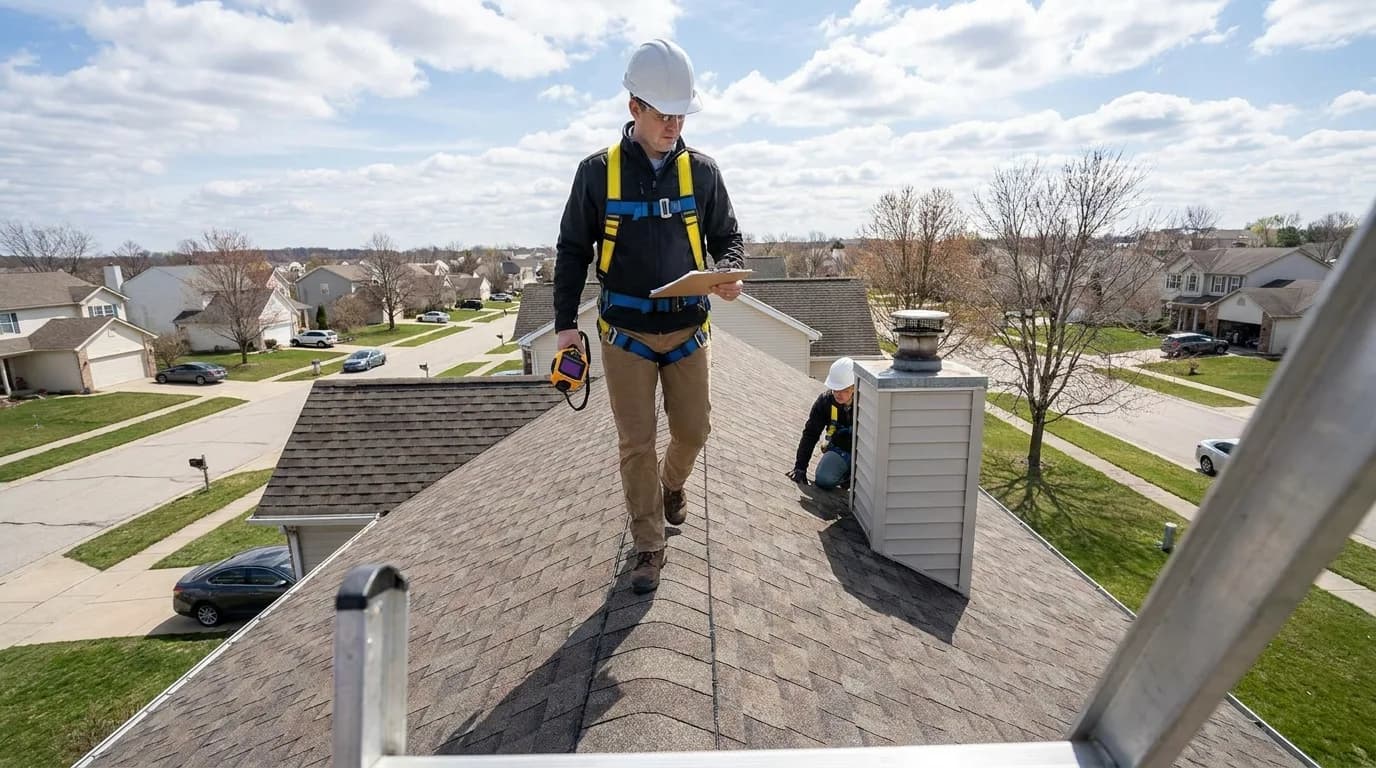
How we work
Three clear steps from your free estimate to a finished roof.
Free on-site estimate
We visit your Airdrie home, walk the roof, and assess what it actually needs, then answer your questions face to face.
Clear written quote
An itemised, no-surprises quote with photos and notes. If anything changes once we start, we flag it before we proceed.
Done right, guaranteed
A tidy install by our own crew, a magnetic nail sweep, a final walkthrough, and your written guarantee in hand.
Why Airdrie homeowners choose us
No rotating subcontractors and no pressure, just the standard we hold on every Airdrie roof.
Local Airdrie crew
The same in-house crew on every roof, no rotating subcontractors, no corner-cutting. You deal with the people doing the work.
Free, no-obligation estimates
An on-site look, an honest assessment, and a clear written quote. No pressure and no fee to find out where your roof stands.
Insurance-claim support
We document hail and storm damage the way adjusters require and work your claim end to end, so an approved claim covers the work.
Written workmanship guarantee
Every job is backed in writing on top of the manufacturer’s material warranty. We stand behind what we install.
Hit by hail or a storm in Airdrie?
Airdriesits in Alberta's hail belt. We inspect for free, document the damage your insurer needs, and handle the claim end to end, so a covered repair or replacement is the one your loss actually calls for.
Hail Damage Roof Repair
Hail and storm damage roof repair in Airdrie: emergency tarping, free documented inspections, and full insurance-claim support in Alberta’s Hailstorm Alley.
Learn more02Roof Insurance Claims
Roof insurance claim help in Airdrie, we document the loss, meet your adjuster, and guide your Alberta hail or storm claim end to end.
Learn more03Emergency Roof Repair
Emergency roof repair in Airdrie for active leaks and storm damage: fast tarping to stop the water, then a proper permanent repair, documented for your insurer.
Learn moreAttic Insulation & Top-Up Airdrie: common questions
01How long does attic insulation installation take?
Most attic insulation top-ups in Airdrie and Calgary take a few hours to a full day, depending on attic size and access. A straightforward top-up over an accessible attic is often finished in an afternoon; attics with extensive pot lights, low headroom, or insulation that needs removing first take longer.
02Do I need to remove old insulation first?
Usually not. Blown-in insulation is designed to be added on top of most existing material without removing it first. The exceptions are insulation that is wet, compressed by rodents or storage, or contaminated, which does need to come out before anything new goes in.
03Is attic insulation worth the cost?
For most Airdrie and Calgary-area homes with insulation below current recommendations, yes. A top-up typically pays for itself over a few winters in lower heating costs, on top of the more even temperatures and reduced ice damming it delivers right away.
04What R-value is required for attic insulation in Alberta?
Alberta's climate zone calls for attic insulation in the R-50 to R-60 range for most homes, well above the R-20 to R-31 that was standard when many Airdrie and Calgary-area homes were built. Confirm the specific requirement for your project with your municipality, since it can vary by situation.
05What is the best type of attic insulation for Calgary's climate?
Blown-in cellulose is what we use for most top-ups because it settles into an existing layer and fills tightly around wiring and framing. Blown-in fibreglass is a reasonable alternative, though it depends more on good air sealing to perform well in our winters.
06Are there rebates or incentives for attic insulation in Alberta?
Programs through utilities, the province, and municipalities do exist from time to time and change their rules often, so we check what currently applies to your address when we quote the job. Confirm the current programs and eligibility with your municipality or utility provider before assuming a rebate will apply.
07How do I know if my attic needs more insulation?
Rising heating bills with no change in habits, cold rooms under the attic, uneven snow melt on the roof, and visible frost on the underside of the deck are all signs worth checking. A quick look from the attic hatch, comparing insulation height to the ceiling joists, often tells the story.
08Can I install attic insulation myself, or should I hire a professional?
A small top-up over sound existing insulation is within reach for a comfortable DIYer with the right equipment rented locally. Anything involving a vapour barrier check, soffit baffles, knob-and-tube wiring, or a ventilation problem is worth having a professional assess first, since getting those details wrong traps moisture instead of stopping heat loss.
09What is the difference between fibreglass and cellulose insulation?
Cellulose is treated recycled paper fibre that settles densely and fills gaps well; fibreglass is spun glass fibre that is lighter and non-combustible by nature but more sensitive to air movement through the attic. Both perform well when installed to the right depth in an attic that is also properly air-sealed and ventilated.
Other roofing services we offer
 01
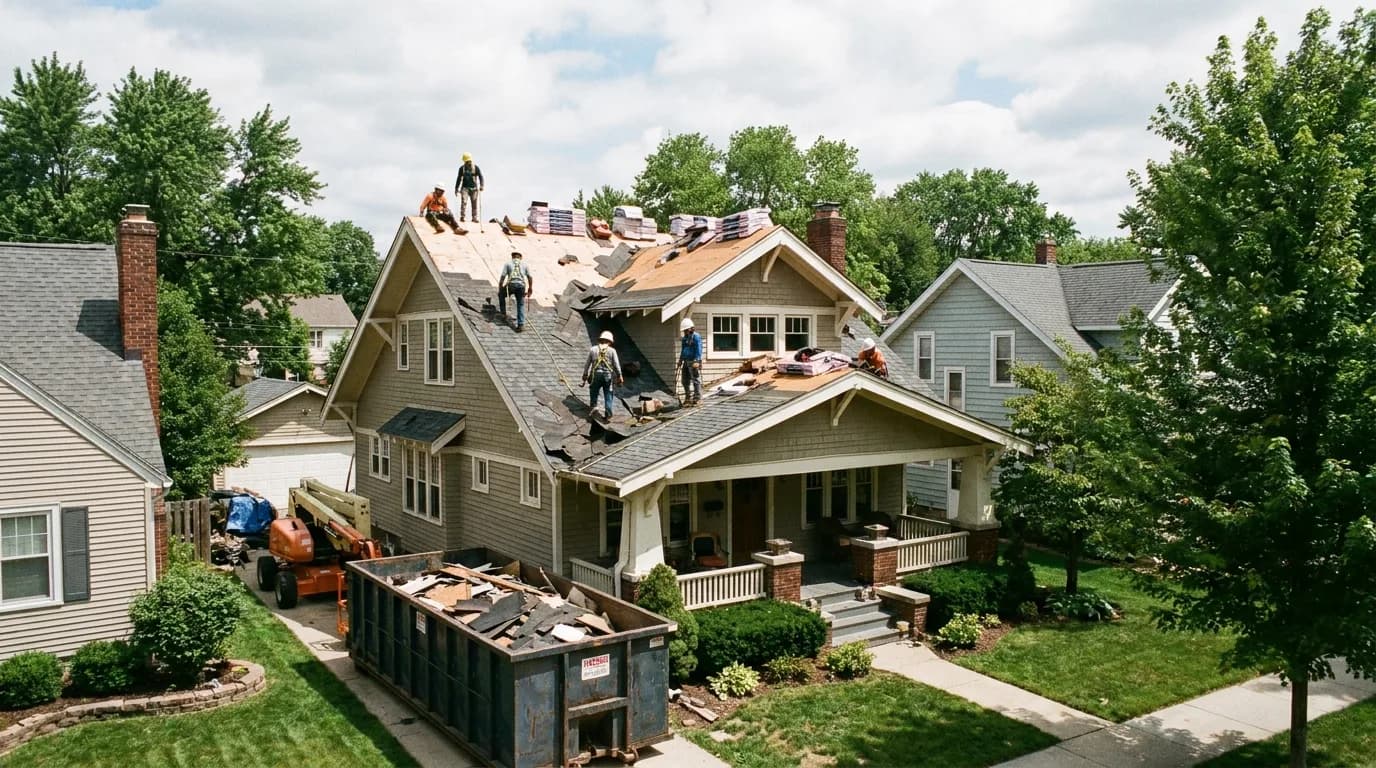
01Roof Replacement
Full tear-off roof replacement in Airdrie, built for Alberta hail and Chinook winds, with a written workmanship guarantee.
Learn more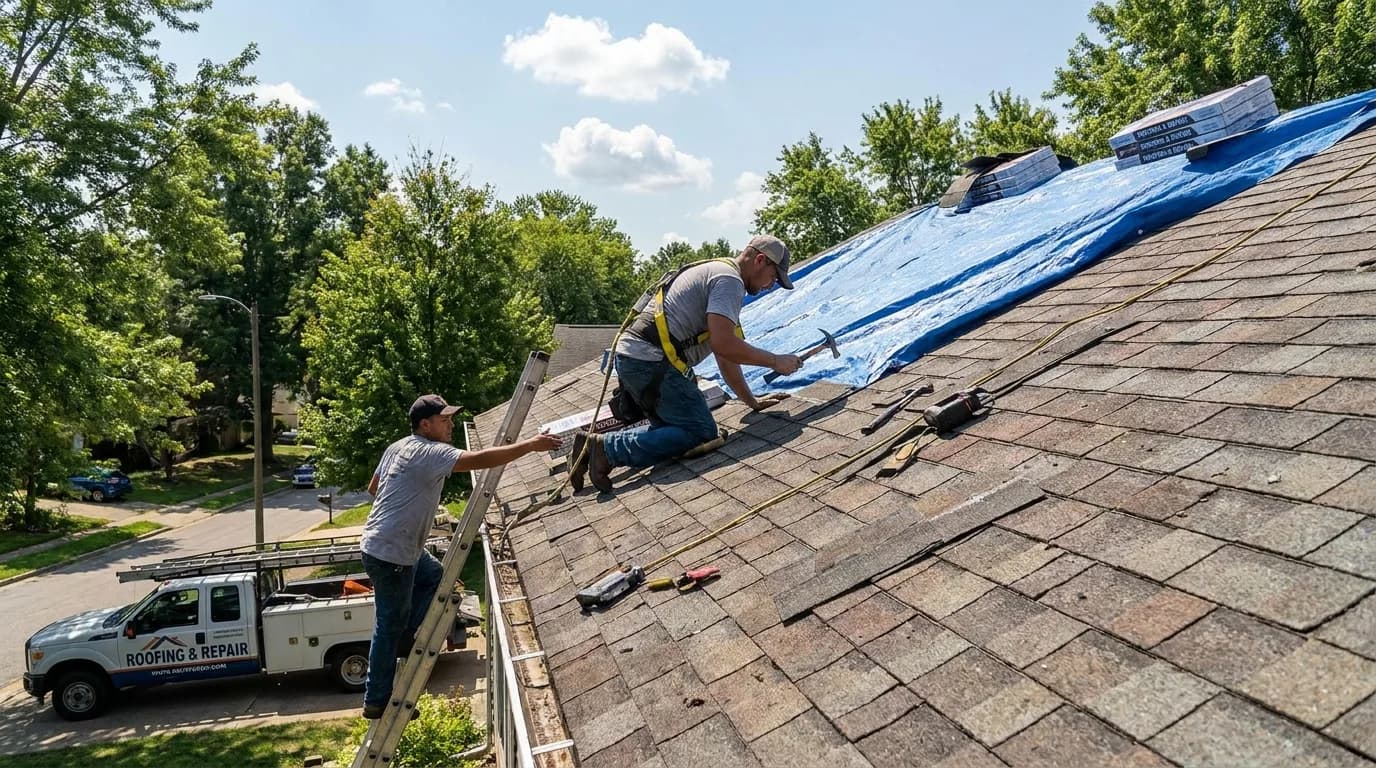 02
02Roof Repair
Fast, lasting roof repair in Airdrie for leaks, missing shingles, failed flashing, and storm damage, diagnosed properly, no upsell.
Learn more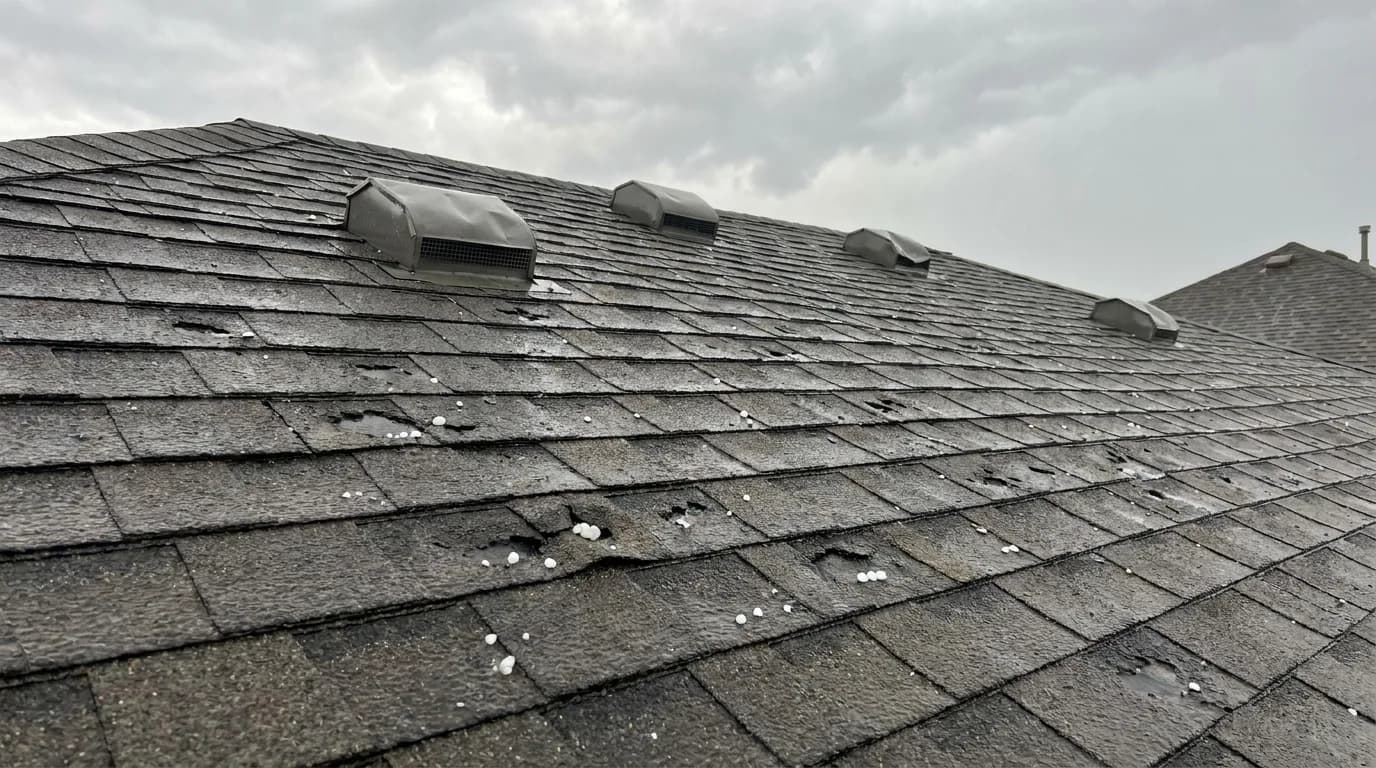 03
03Hail Damage Roof Repair
Hail and storm damage roof repair in Airdrie: emergency tarping, free documented inspections, and full insurance-claim support in Alberta’s Hailstorm Alley.
Learn moreFree roof estimate in Airdrie
Attic Insulation & Top-Up Airdrie: free on-site estimate, itemised written quote, same-week booking.