In this guide
- 01Should you replace the roof before putting solar panels on roof shingles?
- 02Solar panels Alberta homeowners choose: what the roof has to handle
- 03Weight, trusses and the structural check
- 04Attachment, flashing and the leak risk nobody mentions
- 05Hail damage solar panels: what the ratings actually mean in Hailstorm Alley
- 06Insurance, warranties and what to confirm before install day
- 07Snow, ice and why solar arrays need snow guards on some roofs
- 08Ventilation, shading and heat under the array
- 09Which roof materials pair best with a solar roof
- 10Rebates, programs and the order of operations
- 11Get the roof checked before the panels go on
Should you replace the roof before putting solar panels on roof shingles?
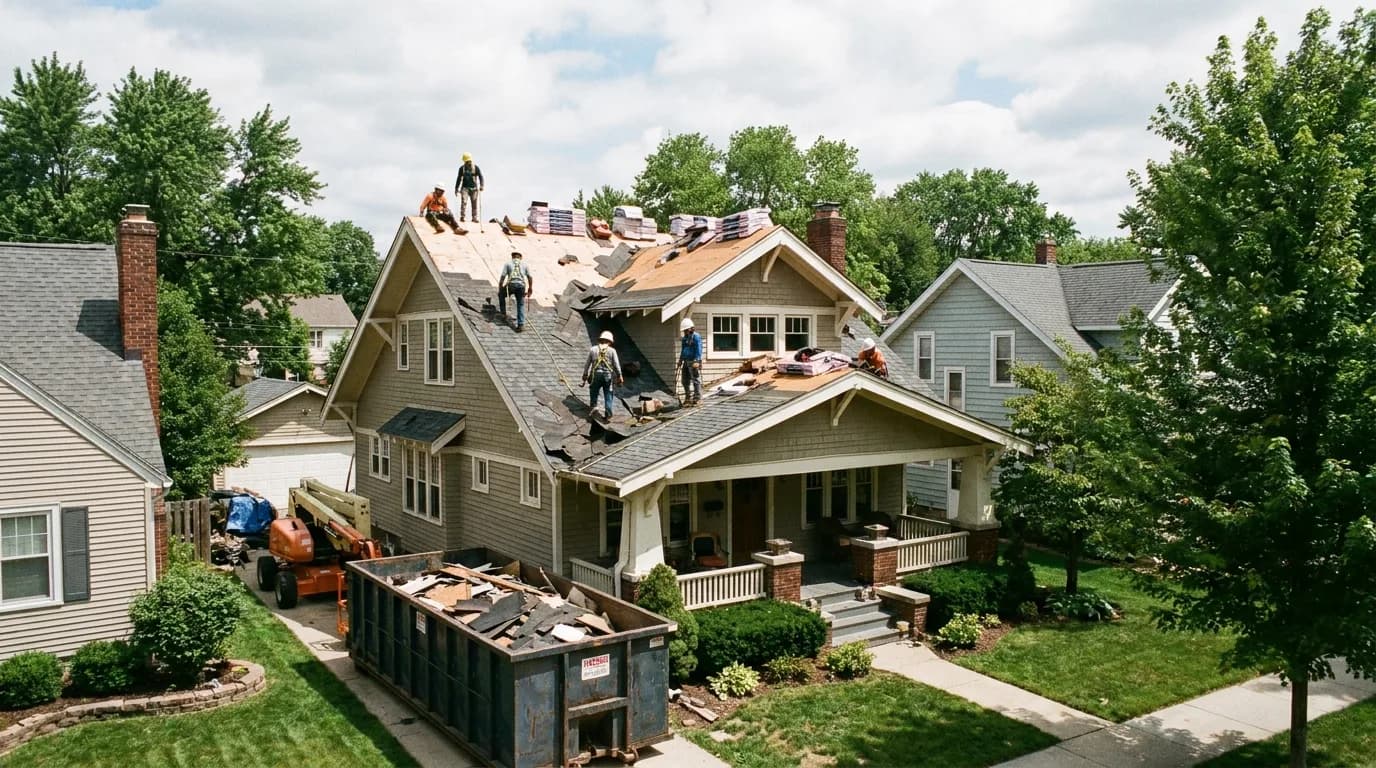
The single most expensive mistake homeowners make with solar panels on roof shingles is putting a 25-year array on top of a roof with eight years left. Solar panels are warrantied for 25 years and usually keep producing for 30. Asphalt shingles in Alberta last 15 to 25 years depending on grade, and Airdrie's hail, UV and Chinook freeze-thaw push most roofs toward the shorter end. Our guide to how long a roof lasts in Alberta sets out the realistic numbers by material.
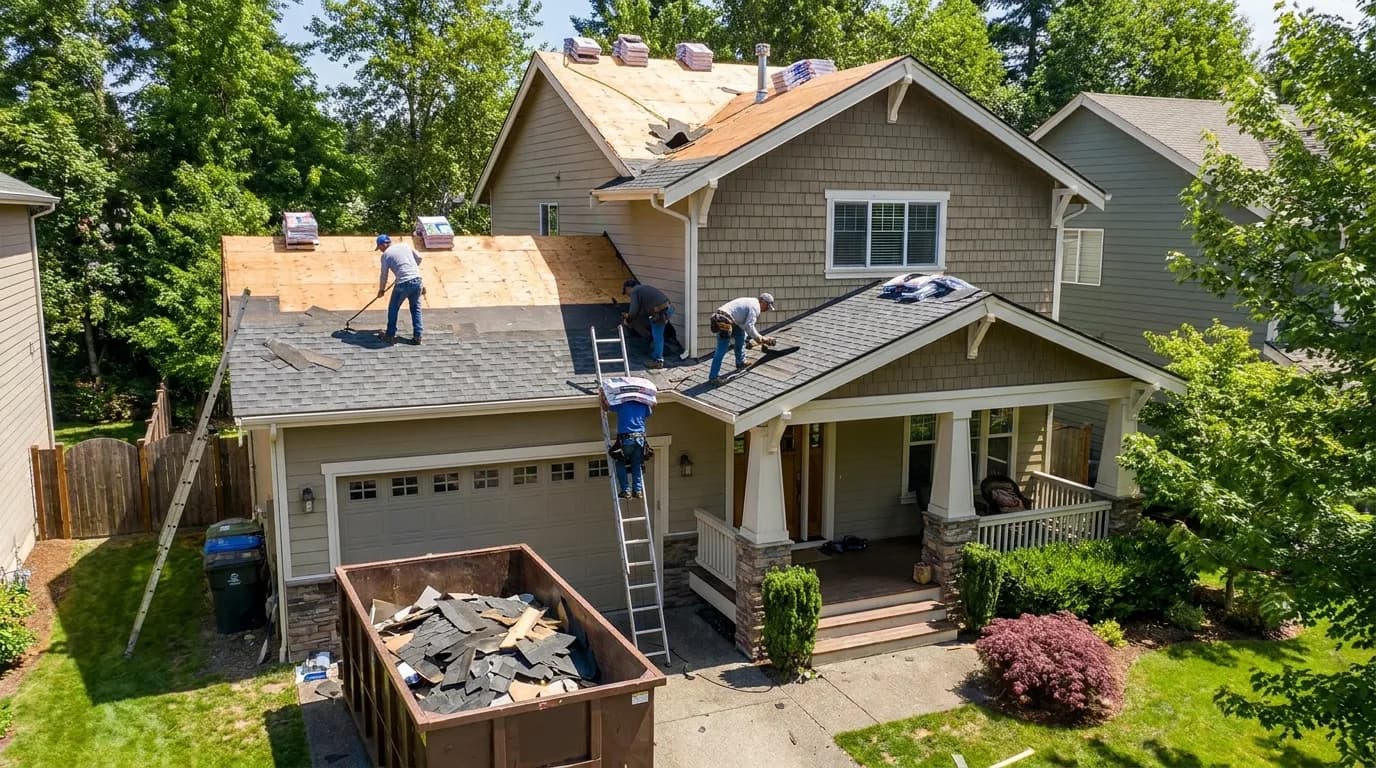
The rule of thumb solar installers and roofers both use is 15 years. If your roof has 15 or more years of reliable life left, panels can go on. If it has less, reroof first. The reason is cost: when the roof eventually needs replacing, the array has to come off and go back on. As a rough 2026 guide, removing and reinstalling a residential array runs $2,000 to $5,000 depending on size, rail system and whether the electrical needs to be re-inspected. That is a bill you pay on top of the reroof.
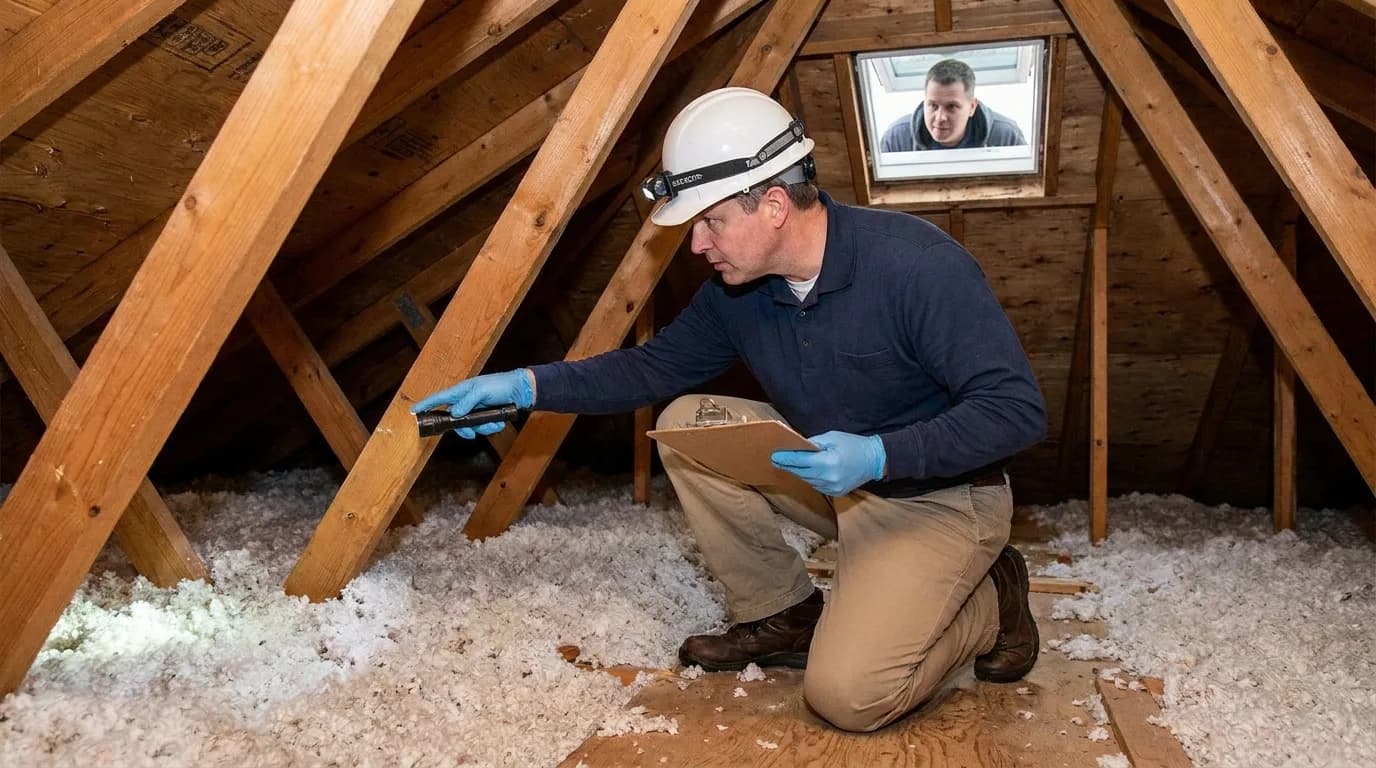
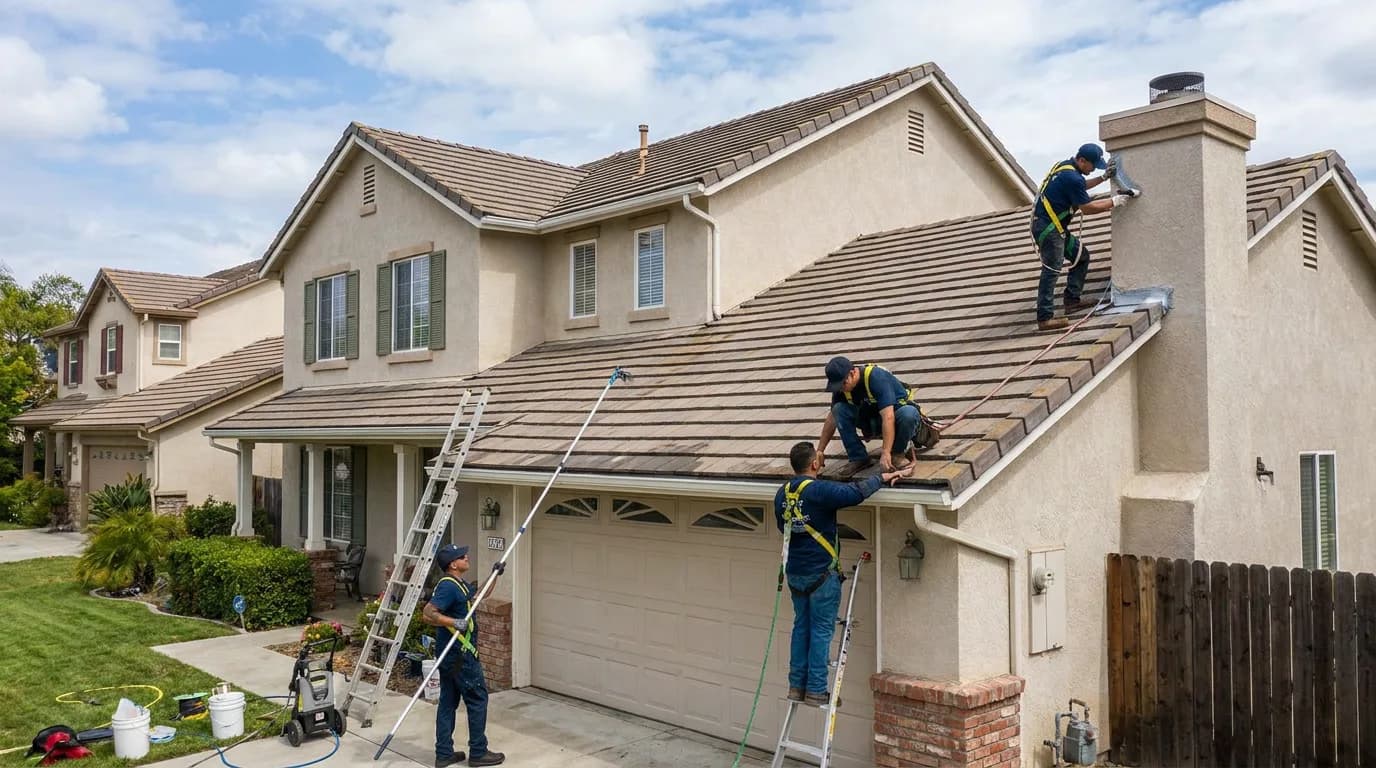
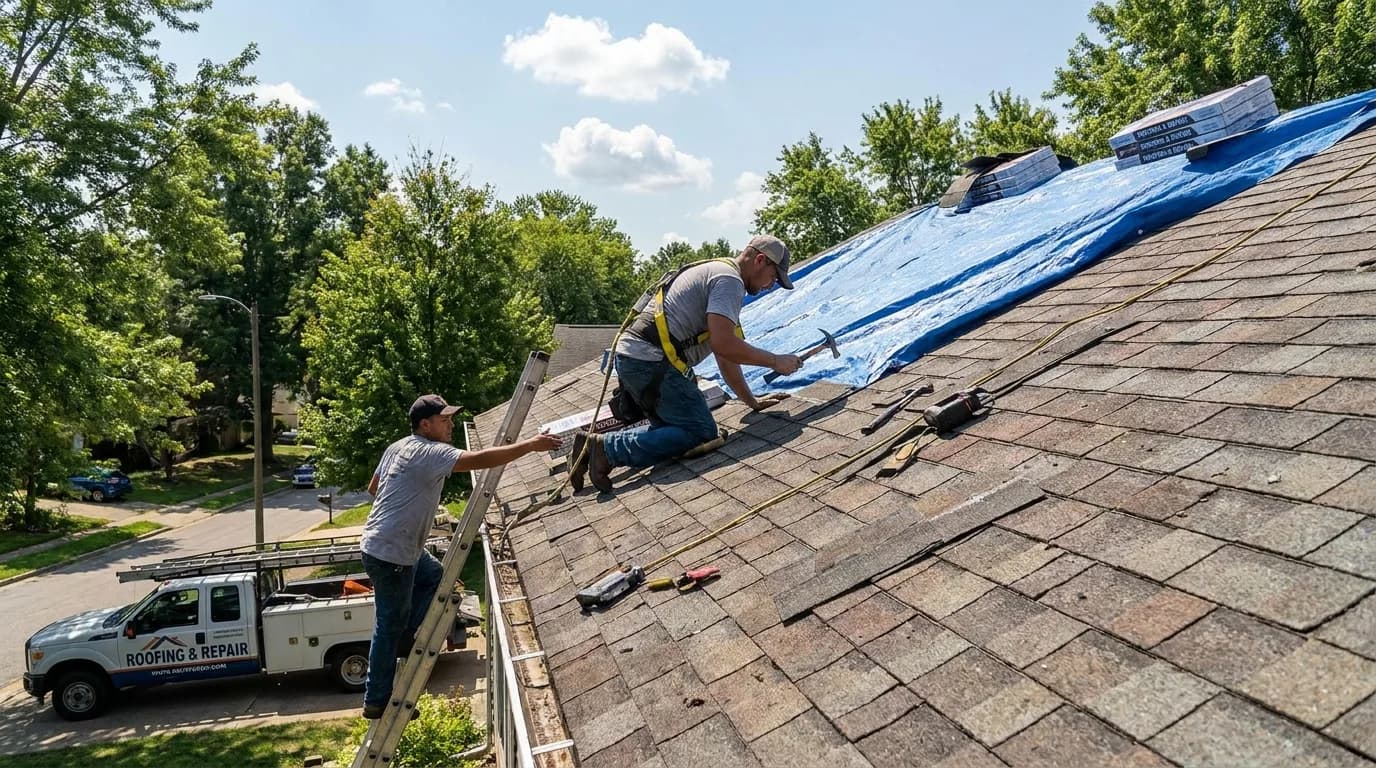
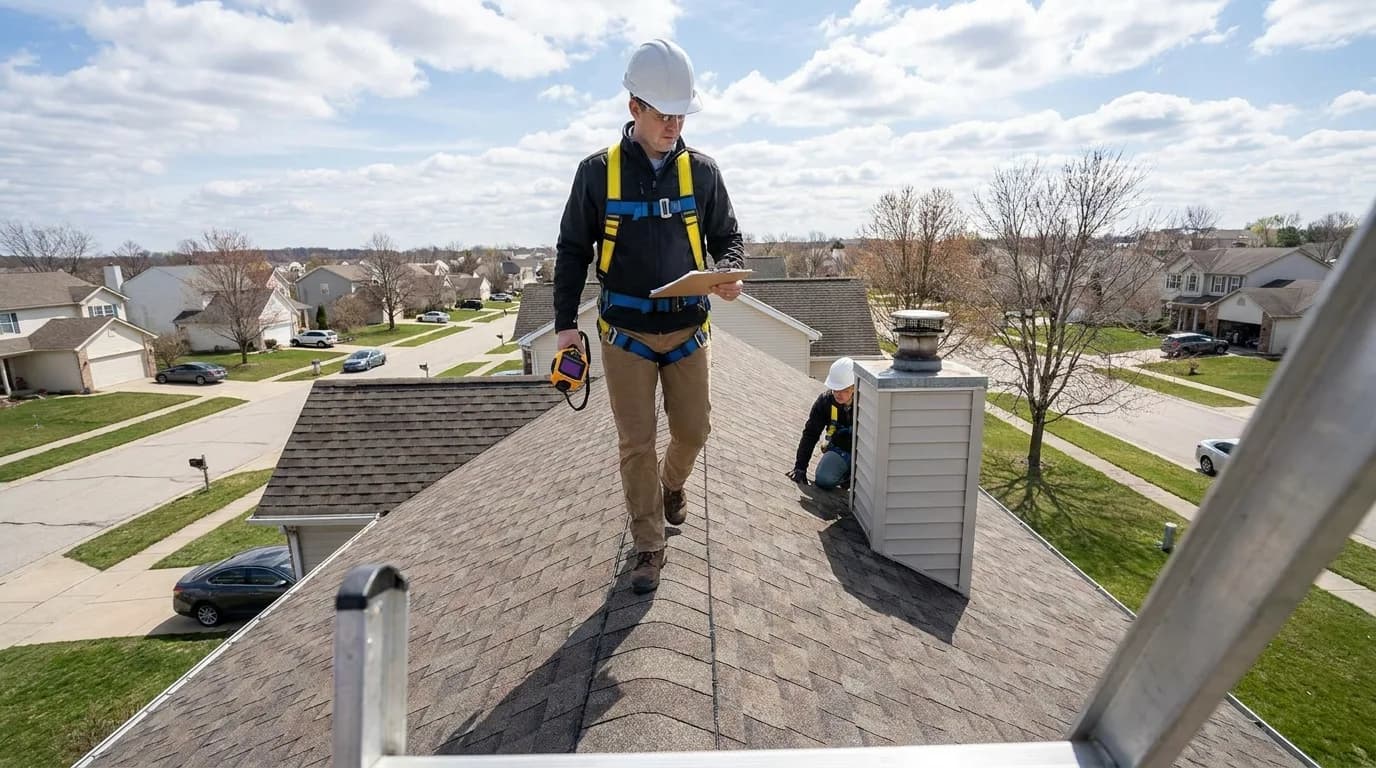
Age is only a proxy. A 10-year-old roof that took quarter-sized hail in the August 8, 2026 storm may have less life left than a well-kept 14-year-old roof on a sheltered lot. Get a free roof inspection in Airdrie before you sign a solar contract, and ask specifically about hail bruising, because bruised shingles under an array cannot be repaired without lifting the panels.
Solar panels Alberta homeowners choose: what the roof has to handle
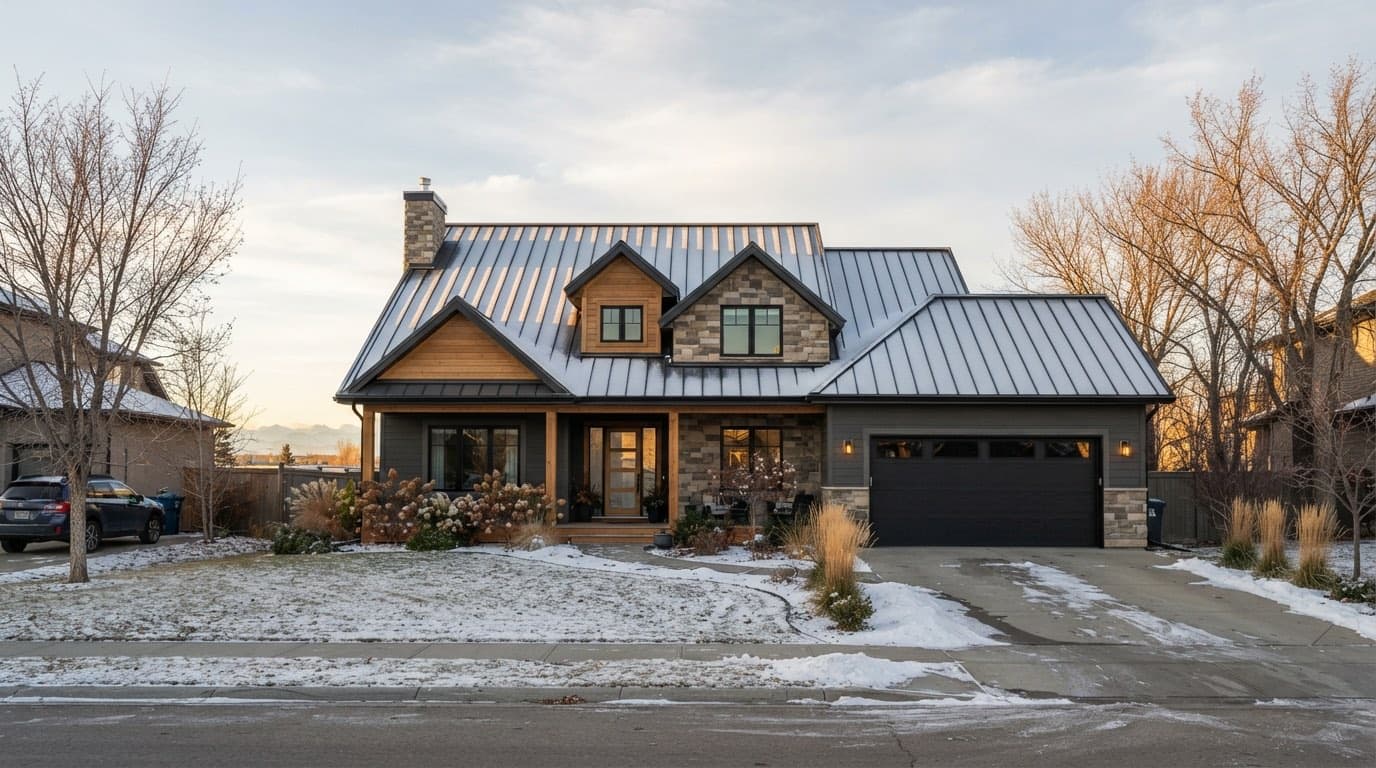
Alberta is one of the sunniest provinces in Canada, and Airdrie gets more annual sunshine hours than most of southern Ontario. That is why solar panels Alberta-wide have gone from rare to routine in neighbourhoods like Cooper's Crossing, Kings Heights and Bayside. The economics are a question for your installer. The roof side is ours, and it comes down to five things.
- Weight: the panels, rails and hardware add dead load to the trusses.
- Attachment: on shingles, every mount is a penetration through the roofing that must be flashed.
- Hail: Airdrie sits in Hailstorm Alley and panels take the hit before the shingles do.
- Snow: panels shed snow in sheets, which changes where snow lands and how ice forms at the eaves.
- Heat and ventilation: panels shade the shingles below but can trap heat in the gap, and attic ventilation still has to work around the array.
None of those is a reason to avoid solar. They are reasons to involve someone who understands the roof, not just the electrical side.
Weight, trusses and the structural check
A modern crystalline panel weighs about 20 to 25 kg and covers roughly 2 square metres. Add rails, clamps and mounts and a typical set of solar panels on roof trusses lands at 12 to 20 kg per square metre, or 2.5 to 4 lb per square foot. A single layer of architectural asphalt weighs about 12 to 15 kg per square metre, so an array is close to a second layer of shingles in dead load.
Most Airdrie homes built since the 1990s have engineered trusses designed for Alberta snow loads well above that, and an engineer or the truss manufacturer can confirm the margin from the drawings in your house file. Older stick-framed roofs, roofs with sagging, and roofs already carrying two layers of shingles need closer attention. Permit applications for solar in Airdrie typically ask for a structural assessment; check current requirements with the City of Airdrie rather than assuming.
| Component | Rough added load (guide) | Notes |
|---|---|---|
| Panels only | 10–12 kg/m² | About 20–25 kg per 2 m² panel |
| Panels + rails + mounts | 12–20 kg/m² | Rail-mounted on shingles |
| Panels on clamp mounts (standing seam) | 11–15 kg/m² | No rails needed, lighter |
| Second layer of asphalt shingles (for comparison) | 12–15 kg/m² | Why layover reroofs plus solar is a bad idea |
| Alberta design snow load (Airdrie area, roof) | roughly 1.5–2 kPa (≈150–200 kg/m²) | Confirm with an engineer; varies by roof and code edition |
Attachment, flashing and the leak risk nobody mentions
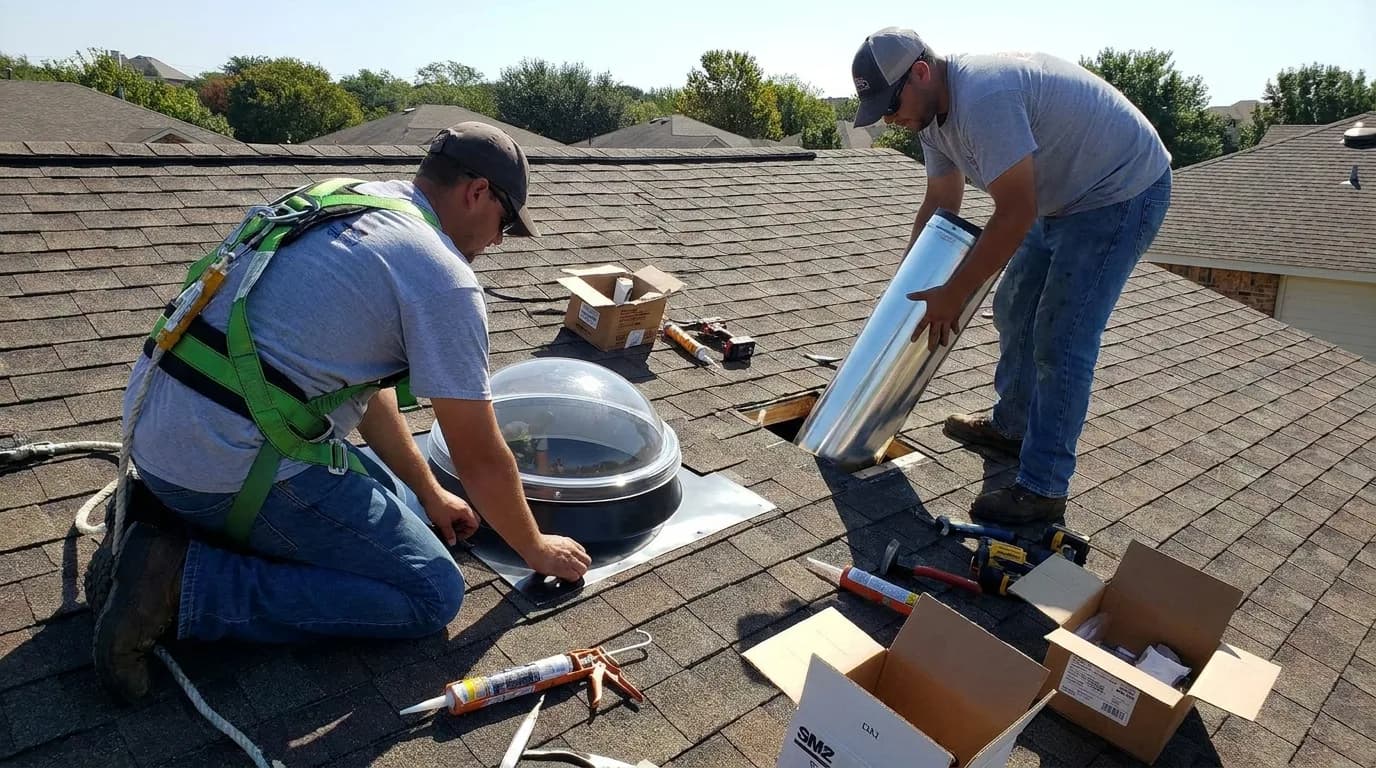
Rail-mounted solar panels on roof shingles need a mount roughly every 1.2 to 1.8 metres along each rail. On a 20-panel system that is 40 to 60 lag bolts driven through the shingles, underlayment and deck into the trusses. Each one is a hole in your roof that did not exist before, and the flashing at those holes decides whether the roof leaks in year two or never.
Good practice is a flashed mount: a metal plate that slides under the shingle course above, lapped so water runs over it, the same way a pipe boot works. Poor practice is a mount screwed through the top of the shingle with a blob of sealant. Sealant fails in five to ten Alberta winters; flashing lasts as long as the roof. Ask your installer to show you the mount they use, and ask whether a roofer or an electrician is doing the roof work.
Missed rafters are the other quiet problem. A lag bolt that hits only the deck sheathing has almost no pull-out strength in Airdrie wind. A crew that locates trusses properly and patches any missed holes with flashed plugs, not sealant, is doing it right.
Hail damage solar panels: what the ratings actually mean in Hailstorm Alley
Panels are built from tempered glass, usually 3.2 mm thick, and the industry test standard, IEC 61215, fires 25 mm (1 inch) ice balls at 23 metres per second at the panel. Most reputable panels pass, and many manufacturers test beyond it to 35 or even 50 mm. That is the good news. The caution is that Airdrie hail regularly exceeds 25 mm; the July 13, 2025 storm and the August 8, 2026 Crossfield to Airdrie storm both produced quarter-sized stones and larger, and golf-ball hail is a recurring event in the corridor.
So the honest answer on hail damage solar panels is: check the datasheet. Look for the hail test size and velocity, not just the IEC 61215 stamp. Some manufacturers publish extended hail ratings, and glass-glass panels are typically tougher than glass-backsheet designs. Keep the datasheet with your house documents for a future claim.
After any major storm, have both panels and shingles checked. Our guide to how to tell if your roof has hail damage covers shingles; for panels, look for cracked glass and watch the monitoring app for a string that suddenly underperforms, which often reveals micro-cracks you cannot see from the ground.
Insurance, warranties and what to confirm before install day
Three separate warranties and one insurance policy meet at a solar roof, and they do not automatically cooperate. Confirm each of the following in writing before the crew arrives.
- Shingle manufacturer warranty: some manufacturers require that penetrations and flashings be done to their spec or the warranty around the array is void. Get the installer's mount details and check them against the shingle warranty document.
- Roofing workmanship warranty: if a roofer installed your roof recently, ask whether a third party drilling into it affects their guarantee. At Apex Roofing Airdrie we will tell you in plain terms what is and is not covered once panels go on.
- Solar installer workmanship warranty: most cover the roof penetrations for a fixed term, often 10 years. Find out who you call if a mount leaks in year 12.
- Home insurance: an array adds to your rebuild value and may need to be declared. Some insurers adjust premiums; some have hail exclusions or specific requirements for rooftop equipment. Confirm with your insurer or broker, and ask how a hail claim on panels is handled versus a claim on the roof.
If a storm damages both panels and shingles, you may end up with two trades on one claim, and clear documentation from each helps. Many insurers want hail claims filed within 12 months, and Alberta homeowners choose their own contractor. Our roof insurance claim support in Airdrie covers the roofing side of that paperwork.
Snow, ice and why solar arrays need snow guards on some roofs
Glass sheds snow far more readily than shingles. On a sunny February day after a Chinook, solar panels on roof slopes above a walkway can release their entire snow load in one slide, and that mass lands wherever the roof edge points: a deck, a lower roof, a vehicle, or the eavestrough, which it can tear off the fascia. Shingle roofs hold snow; solar roofs dump it. Plan for that before the first winter.
Snow guards fitted to the panels or the roof below the array break the slide into smaller releases. The same logic applies to metal roofs, and our guide to snow guards for metal roofs explains placement. Ice dams are the other winter issue: panels change the melt pattern, so a strip of eave below the array can freeze while the shingles beside it are clear. Attic ventilation and insulation matter even more once panels go on.
Ventilation, shading and heat under the array
Solar panels on roof rails sit 100 to 150 mm above the surface, and that gap needs air movement. Open-edged arrays breathe well and keep the shingles cooler in summer. Arrays boxed in with skirting look tidier but trap heat, which is bad for both panel output and the shingles below.
Attic ventilation is separate from the panel gap and must not be compromised. Installers sometimes want to move or remove roof vents to fit panels; box vents and turbines relocated to the array's edge still need to add up to the commonly cited 1:300 net free vent area (1:150 without a vapour barrier). Our guide to attic ventilation and roof vents in Alberta explains how to check the math. Shaded panels lose output disproportionately, so trimming a spruce may pay for itself.
Which roof materials pair best with a solar roof
Not every roof welcomes solar panels equally. The table below ranks common Alberta roof types by how well they carry an array; lifespans are 2026 market guides.
| Roof material | Typical Alberta lifespan | Attachment | Solar fit |
|---|---|---|---|
| Standing seam metal | 40–60 years | Clamps grip the seams, zero penetrations | Best: outlives the panels, no holes, easy removal |
| Class 4 architectural asphalt | 20–30 years | Flashed lag-bolt mounts | Good if new or under 5 years old; hail-rated shingles reduce future disruption |
| Standard architectural asphalt | 15–25 years | Flashed lag-bolt mounts | OK only when new; reroof first if over 8–10 years old |
| Exposed-fastener metal panel | 30–45 years | Bracket mounts through the panel ribs | Good; more sealed penetrations than standing seam |
| Cedar shake | 20–30 years | Difficult; brittle, uneven surface | Poor; most installers decline |
| Flat/low-slope rubber or TPO | 20–30 years | Ballasted racks, no penetrations | Good for garages and additions |
If you are reroofing anyway before going solar, this is the moment to think about metal roofing in Airdrie. A standing seam roof costs two to three times an asphalt reroof, but it removes the reroof-under-the-array problem for the life of the panels, needs no holes, and handles hail and wind well. If you stay with asphalt, choose a Class 4 impact-resistant shingle; our pillar guide to the best shingles for the Alberta climate compares the options and explains the insurer discounts that often come with Class 4.
Rebates, programs and the order of operations
Alberta solar incentives have changed several times in the past decade, with municipal, provincial and federal programs coming and going. Rather than quote a figure that may be out of date by the time you read this, check current programs with your installer, the City of Airdrie and the Government of Alberta at https://www.alberta.ca. Some programs have offered loans that could also cover a reroof done at the same time, so ask whether roofing work can be bundled.
The order of operations for solar panels on roof shingles is simple. First, inspection to establish roof age and condition. Second, reroof if the roof has less than 15 years left, ideally with Class 4 asphalt or standing seam metal. Third, structural and ventilation review. Fourth, solar install with flashed mounts by a crew that understands roofing. Fifth, confirm warranties and insurance in writing. Skipping step one is how people end up paying to lift a two-year-old array.
Get the roof checked before the panels go on
Solar is a 25-year decision, and the roof under it is the foundation of that decision. An hour of inspection now can save a $2,000 to $5,000 removal bill and a leak repair later. Apex Roofing Airdrie offers a free, no-obligation on-site inspection with an itemised written quote if any work is needed, whether that is repairing flashings or a full roof replacement in Airdrie ahead of your solar install.
If you already have solar panels on roof slopes that you suspect are leaking at a mount, or your installer has asked for a roof condition report, we can do that too. Our crew is local and in-house, and we will give you a straight answer on whether your roof is ready for solar or needs work first.
Written by the Apex Roofing Airdrie crew
Practical guidance from the local roofers who inspect, repair and replace roofs across Airdrie and Rocky View County every season. We review our guides against current Alberta practice and update them when materials, code or insurer behaviour changes. About our team.