In this guide
- 01What is an ice dam, and when does ice dam removal become urgent?
- 02Why Airdrie homes get ice dams: Chinooks and warm attics
- 03Signs an ice dam is already doing damage
- 04How to remove an ice dam safely: methods that work
- 05Ice dam steaming: what a professional actually does
- 06What not to do: ice dam removal methods that wreck roofs
- 07Ice dam removal cost in Alberta as of 2026
- 08Ice dams on a metal roof
- 09When an ice dam leak becomes an insurance matter
- 10The permanent fix: air sealing, insulation and ventilation
- 11Dealing with an ice dam this winter?
What is an ice dam, and when does ice dam removal become urgent?
An ice dam is a thick ridge of ice that forms along the eaves of a roof in winter. Heat escaping from the house warms the roof deck, snow on the upper slope melts from underneath, the meltwater runs down to the cold overhang and refreezes. Each cycle adds another layer until a wall of ice sits at the edge of the roof, with a pool of trapped water behind it.
Shingles are designed to shed water running downhill, not to hold back a pond. Once the pool behind the dam is deep enough, water works up under the shingles, past the underlayment and into the attic, the wall cavities and eventually the ceiling below. That is the moment ice dam removal stops being a maintenance question and becomes urgent.
The rest of this guide explains why Airdrie homes get ice dams so often, how to remove an ice dam safely, what professional ice dam steaming costs, the methods that do more harm than good, and the attic-side fix that stops them for good. If water is already coming through a ceiling, our emergency roof repair service in Airdrie can stop the leak while the weather sorts itself out.
Why Airdrie homes get ice dams: Chinooks and warm attics
Ice dams need two things: snow on the roof and a temperature difference between the upper roof and the eaves. Airdrie has both in abundance. A cold, snowy January followed by a Chinook that swings the temperature from minus 20 to plus 8 in an afternoon is the perfect recipe. The snowpack melts fast, the eaves are still frozen solid, and the dam forms in a day.
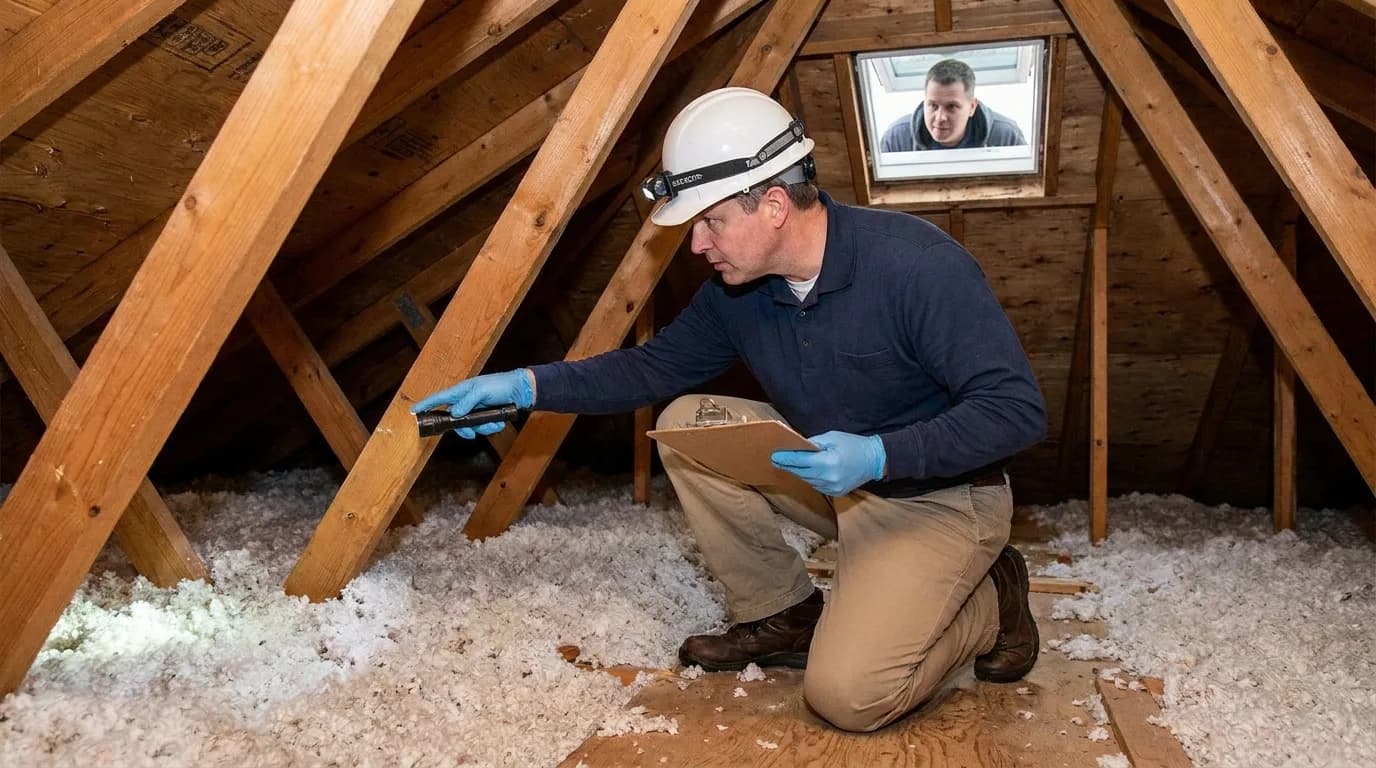
The attic is the other half. A poorly air-sealed ceiling lets warm house air into the attic through pot lights, bathroom fan housings, plumbing stacks, the attic hatch and wall-top plates. Thin or compressed insulation adds to the heat loss. Blocked soffit vents mean that heat has nowhere to go but into the roof deck, which then melts the snow above it even on a cold day.
That is why two neighbouring homes in Sagewood or Bayside can have very different winters. Same roof, same snow, same Chinook, but the one with 40 centimetres of blown-in insulation and clear soffits stays dry while the one with disturbed insulation and a leaky bathroom fan grows a 30 centimetre dam. Our guide to preventing ice dams in Airdrie goes into the causes in detail.
Signs an ice dam is already doing damage
Not every icicle means trouble. A few small icicles hanging from the eavestrough after a sunny day are normal. The following signs point to a real dam that is worth dealing with.
- A ridge of ice 10 centimetres or thicker running along the eaves, often with icicles hanging from it.
- Ice behind the eavestrough or between the fascia and the shingles, not just in the trough itself.
- Water stains or drips on the ceiling near an exterior wall, typically appearing during or just after a thaw.
- Wet or frost-covered insulation at the eaves when you look in the attic.
- Icicles forming from the soffit or from behind the siding, which means water is already inside the roof edge.
- Peeling paint or staining on the exterior wall below the eaves come spring.
- Ice inside the eavestroughs pulling them away from the fascia.
A dam that has pushed water inside means the underlayment and shingles at the eaves have been sitting in water. Even after the ice melts, the roof edge, the fascia and the eavestroughs should be checked in the spring for damage that is not visible from the ground.
How to remove an ice dam safely: methods that work
There are three methods that reliably remove an ice dam without damaging the roof, and they escalate in cost and effectiveness. In practice they are usually combined.
The first is a roof rake used from the ground to clear the snow on the slope above the dam. This does not remove the ice, but it cuts off the meltwater feeding it and stops the dam growing. Clear the first metre or two above the eaves, leave a few centimetres of snow on the shingles, and stay well away from the power service drop. Our post on roof snow removal in Alberta covers technique and when snow load itself is a concern.
The second is calcium chloride. Fill a leg of pantyhose or a long sock with calcium chloride ice melt pellets, tie it off, and lay it across the dam so it hangs over the eave. The salt slowly melts a channel through the ice, giving the trapped water a way out. It takes several hours, it needs replacing after a few days, and it works best on thinner dams. Use calcium chloride specifically, not rock salt, which corrodes metal and damages plants below.
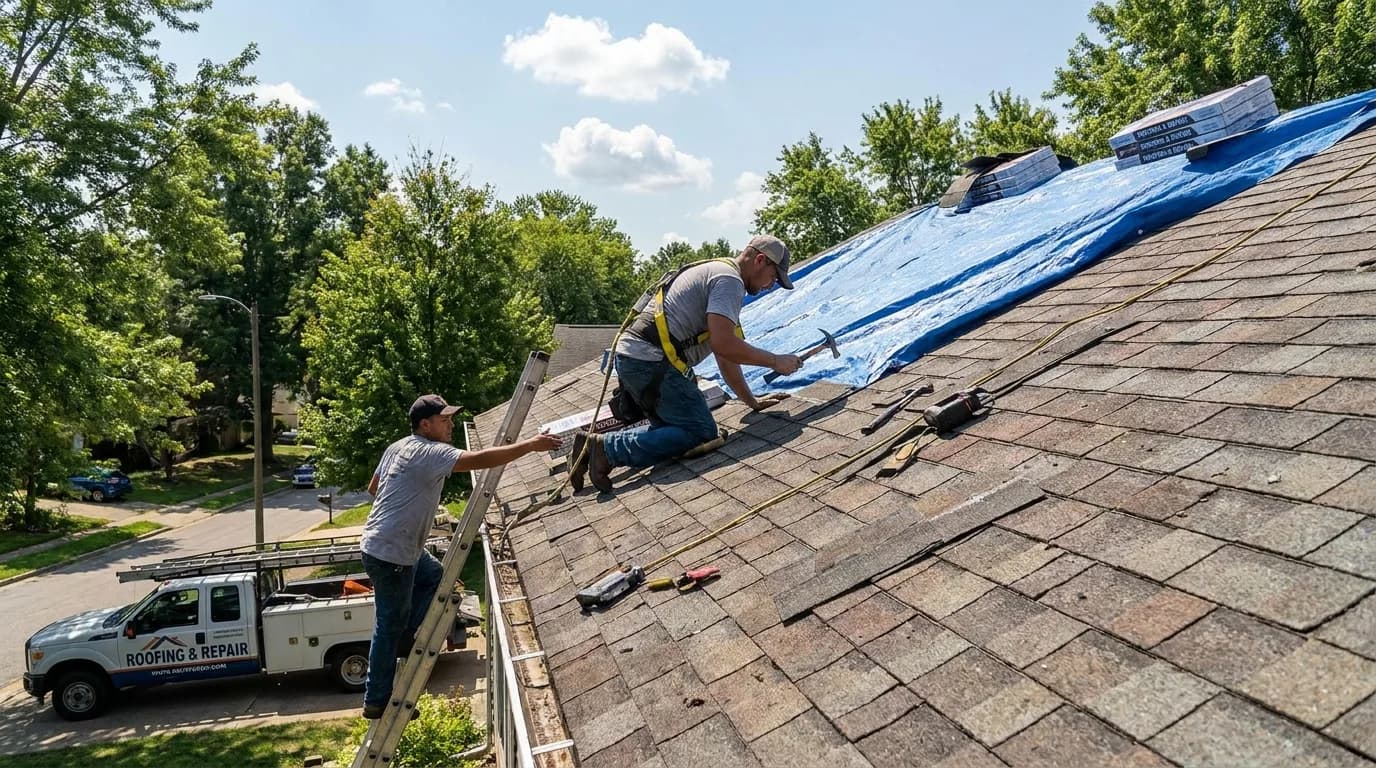
The third is steam, and it is the only method that removes a thick dam completely. A professional crew uses a low-pressure steam machine to cut the ice into sections that lift off the shingles cleanly. Steam is what to ask for when the dam is thick, the leak is active, or you cannot safely reach the eaves from the ground.
Ice dam steaming: what a professional actually does
A proper ice dam steaming job uses a purpose-built steamer that delivers water at around 130 to 150 degrees Celsius at low pressure, well under what a pressure washer produces. The operator works from a ladder or a harnessed position on the roof, cutting the dam into blocks that slide off, then clearing channels in the remaining ice so trapped water can drain. The eavestroughs and downspouts are usually steamed clear at the same time.
The key distinction is steam versus hot water. A hot pressure washer blasts water at several thousand psi, which strips granules, lifts shingle tabs, drives water under flashing and can strip paint off fascia. Real steam has almost no pressure and does its work through heat alone. When you call around, ask specifically whether the company uses a low-pressure steamer or a hot-water pressure washer. It matters a great deal for the roof.
Timing is the other thing to ask about. Most steaming is billed by the hour. A typical Airdrie two-storey with a dam along one or two eaves takes one to three hours; a wraparound dam on a large bungalow with long eaves can take a full afternoon. The crew should also clear the snow above the dam while they are there, otherwise it re-forms within days.
What not to do: ice dam removal methods that wreck roofs
Roofers spend a lot of every spring fixing damage that was done in February by someone trying to get rid of an ice dam. The following methods all sound reasonable and all cause harm.
- Hammers, chisels, axes and ice picks. They crack shingles, dent flashing and split the fascia, and a blow that goes through the ice hits the roof at full force.
- Rock salt or sodium chloride. It corrodes aluminum eavestroughs and steel flashing, kills the lawn and shrubs below, and does not melt ice well in real cold.
- Hot water from a hose or kettle. It refreezes almost immediately and makes the dam bigger, and it soaks whatever the dam is already leaking into.
- Pressure washers, even warm ones. High-pressure water strips granules, lifts tabs and drives water under the flashing.
- Blow torches and heat guns. Fire risk on a roof with dry wood, plus melted shingles.
- Climbing onto the roof to shovel. Ice under snow at the eaves is the most dangerous surface on the roof, and falls from the eave are common.
- Leaving heat cables on all winter without a plan. Cables help at trouble spots but they do not fix the attic, and they cost money to run.
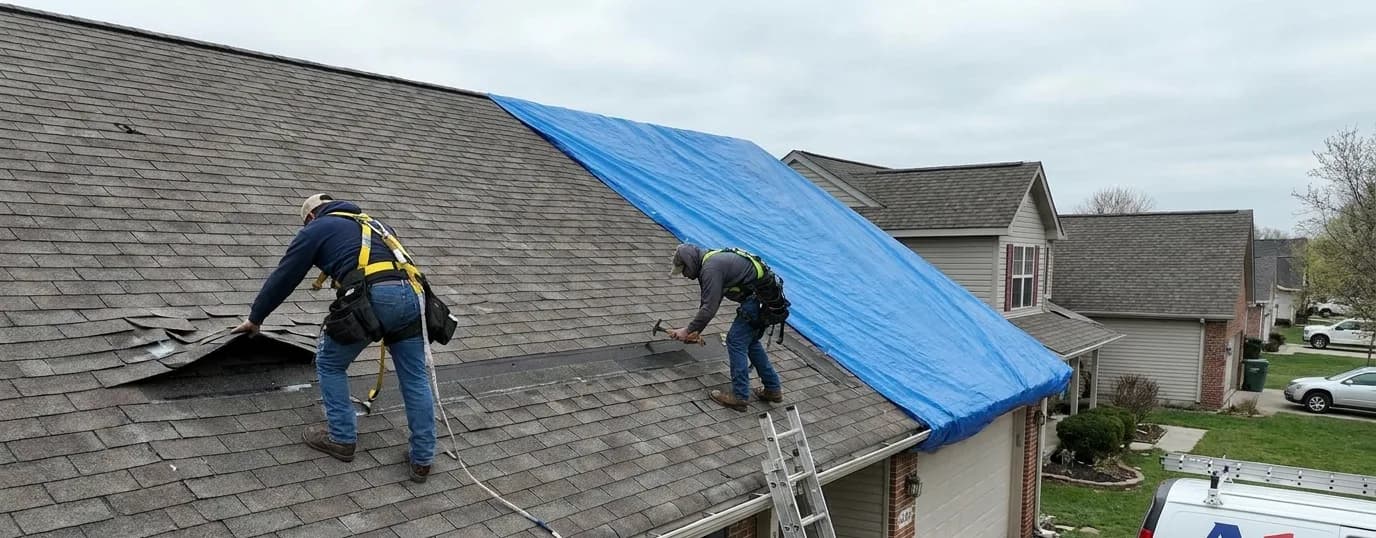
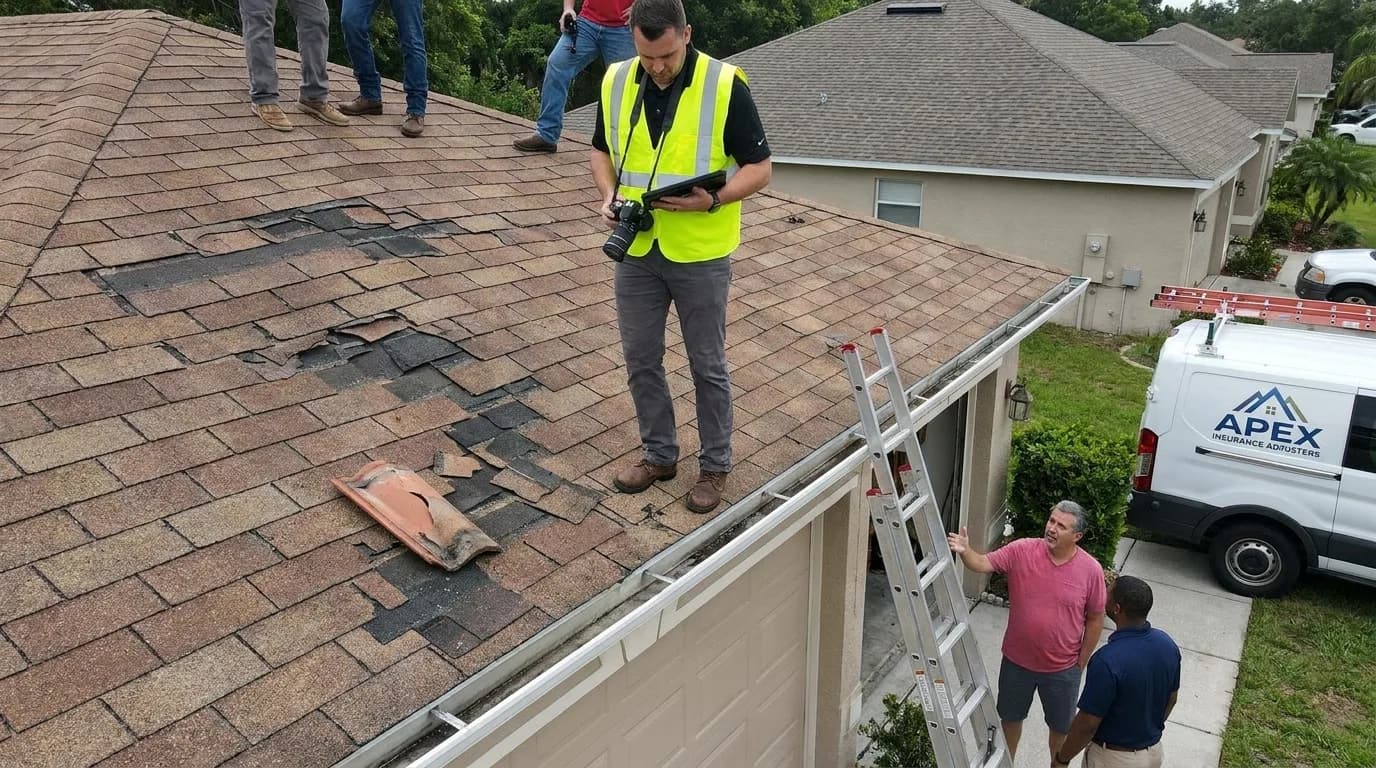
If any of these have already been tried on your roof, the eaves are worth a close look in spring. Cracked shingles and bent drip edge from a February chipping session are a classic cause of the small leaks we see on our roof repair calls in Airdrie.
Ice dam removal cost in Alberta as of 2026
Ice dam removal cost depends on the length of eaves affected, the thickness of the ice, roof height and access, and whether the crew also has to clear snow. The figures below are rough 2026 market guides for the Airdrie and Calgary area, not quotes.
| Method | Rough 2026 cost guide | Notes |
|---|---|---|
| DIY calcium chloride socks and roof rake | $40–$120 in materials | Slow, works on thinner dams, no roof damage if done from the ground |
| Professional steam removal, one or two eaves | $300–$600 | Typically 1 to 3 hours of hourly billing |
| Professional steam removal, whole house | $600–$900+ | Long eaves, heavy ice, wraparound dams |
| Steaming plus full roof snow removal | $500–$1,500 | Recommended, otherwise the dam returns |
| Emergency same-day call during a thaw | Add 25–50 percent | Every crew in the region is busy at once |
Steam companies usually quote an hourly rate, commonly in the range of $150 to $300 per hour with a minimum charge, and the total depends on how long the ice takes. Ask for the hourly rate, the minimum, and a realistic estimate before they start. Cheaper is not always better if the company is using a hot-water pressure washer rather than a steamer.
Set against the alternative, that money is usually well spent. A dam that leaks for a week can soak insulation, stain ceilings, and rot the roof edge, and the interior repair bill can run into several thousand dollars.
Ice dams on a metal roof
Metal roofs get ice dams too, which surprises homeowners who chose metal partly to avoid winter problems. Metal sheds snow well on a warm slope, but an unheated overhang stays cold, meltwater freezes at the edge exactly as it does on shingles, and the dam grows along the eave. The difference is that a standing-seam roof rarely leaks from a dam, because the seams are raised above the water line; the damage is more often bent panels, torn snow guards and ripped-off eavestroughs from the weight of ice.
Removal on a metal roof follows the same rules. Steam is safe, calcium chloride is acceptable, and anything with a blade or high pressure is not, since it scratches the coating and opens the panels to corrosion. Never chip ice off the seams. If you are weighing a metal roof for a home that has dam problems, our metal roofing service in Airdrie can explain how snow guards and heated eaves fit into the design.
When an ice dam leak becomes an insurance matter
Many Alberta home policies treat water damage from an ice dam as a sudden and accidental event, which means the interior damage, and sometimes the roof edge repair, may be covered. Others exclude it, or exclude it where the cause is deemed to be poor maintenance. Policies genuinely vary, so confirm the specifics with your insurer or broker before you assume either way.
What helps a claim is documentation. Photograph the dam, the icicles and every interior stain before anything is removed or repaired, note the dates of the thaw, and keep receipts for emergency steaming and tarping. Mitigation costs are often reimbursable, and insurers generally expect you to act quickly to limit the damage rather than wait for an adjuster.
Our roof insurance claim support in Airdrie is set up mainly for hail and wind, but the same documentation habits apply to winter water. And if the dam has revealed an older roof at the end of its life, our pillar guide to the signs you need a new roof will help you decide whether to repair the edge or plan a reroof for spring.
The permanent fix: air sealing, insulation and ventilation
Removing an ice dam treats the symptom. The dam forms because the underside of the roof is warmer than the eaves, and until that is fixed it will come back every Chinook. The three parts of the cure, in order of bang for buck, are air sealing, insulation and ventilation.
Air sealing means closing the gaps that let warm house air into the attic: pot lights, bathroom and kitchen fan housings, plumbing and electrical penetrations, the attic hatch, and the tops of interior walls. Insulation then slows the heat that still gets through; most Airdrie attics should have roughly 40 to 50 centimetres of blown-in insulation, and many older homes in neighbourhoods like Big Springs or Summerhill have far less. Ventilation carries away whatever heat remains, with clear soffit intake at the eaves and adequate exhaust at the ridge or roof vents. The commonly cited ratio is 1:300 net free vent area to attic floor area, or 1:150 without a vapour barrier.
A reroof is the ideal time to fix all three, since the crew can add ice-and-water shield well past the exterior wall line, cut in proper vents and open blocked soffits. Our guide to attic ventilation and roof vents in Alberta explains how to check your own attic and what a fix typically involves.
Dealing with an ice dam this winter?
If a dam is forming and water is not yet inside, start with a roof rake from the ground and a calcium chloride sock, then call for steaming if the ice is thick. If water is already coming in, call us. Apex Roofing Airdrie handles emergency leak response and tarping with a local crew, and we will tell you honestly whether the roof edge needs repair once the ice is gone.
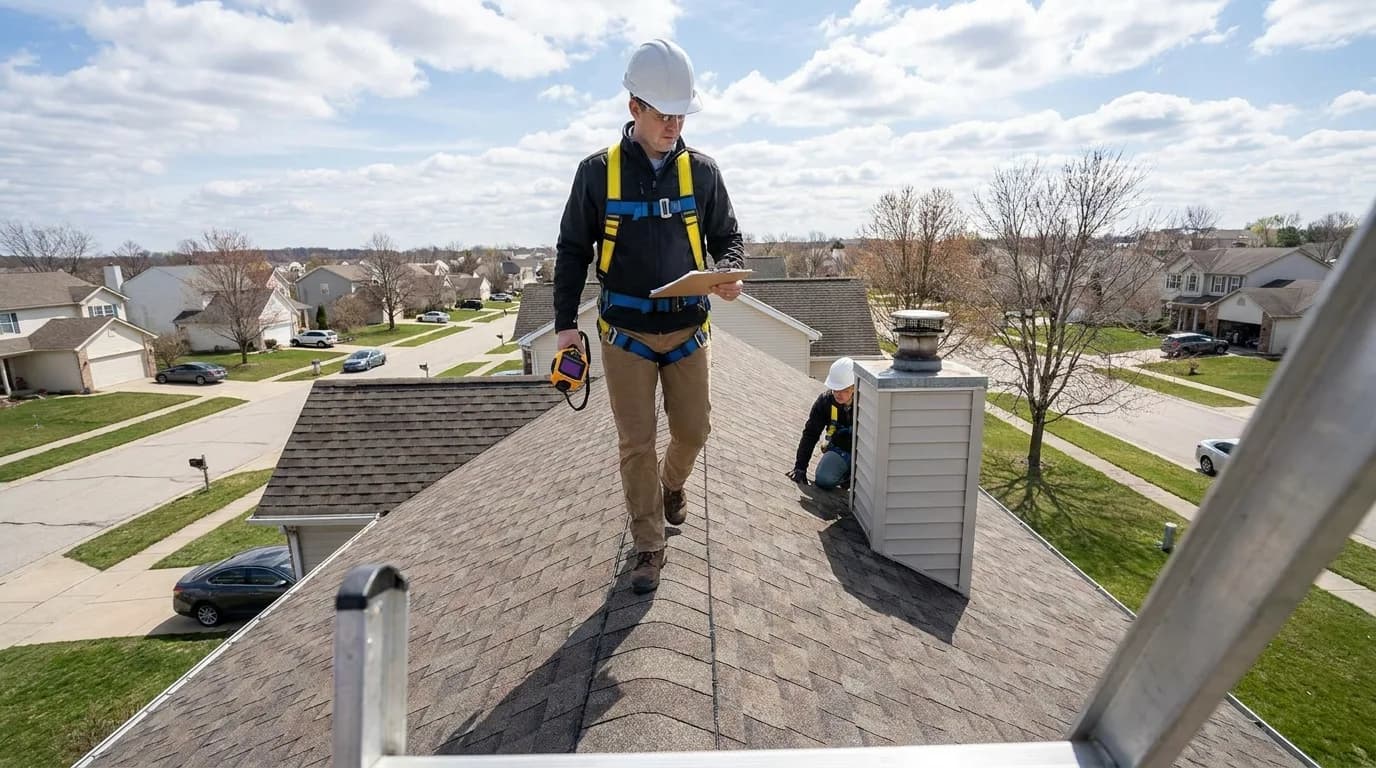
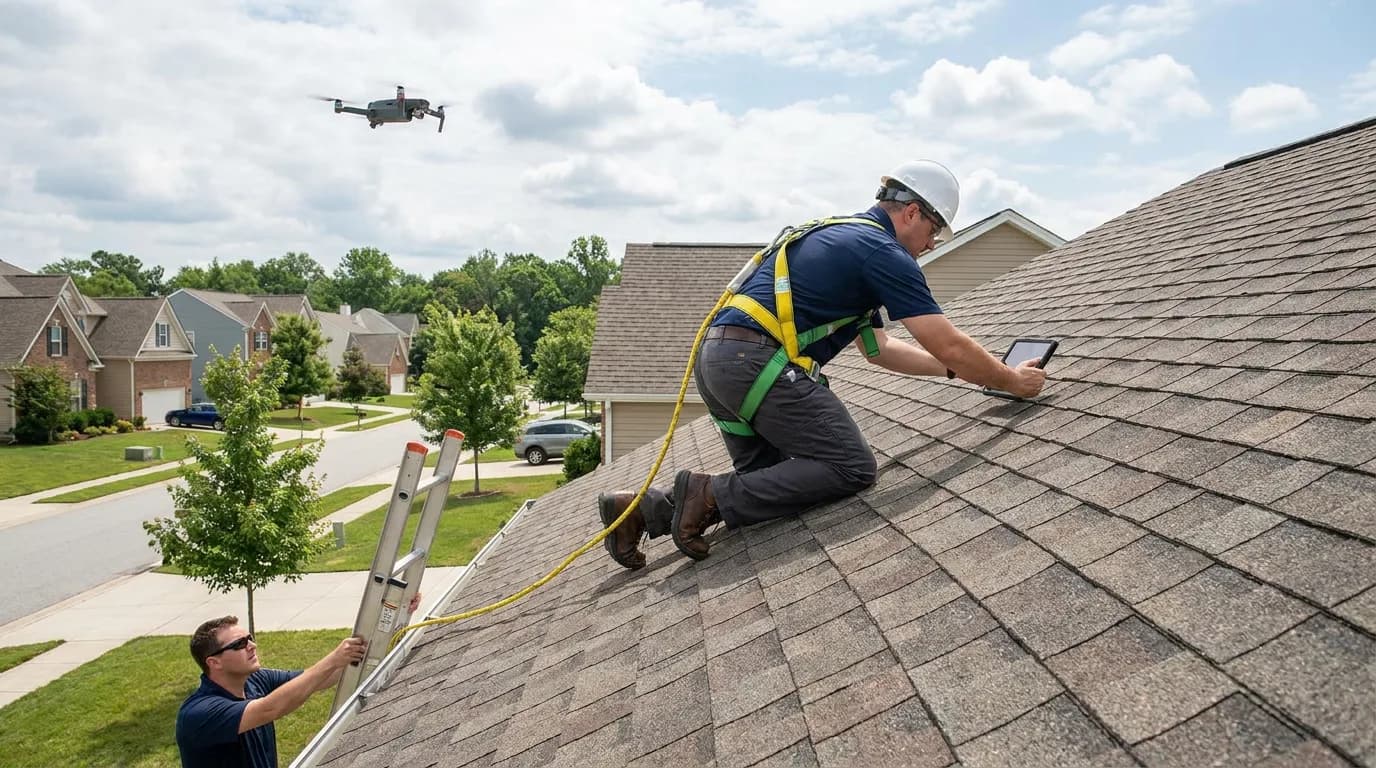
Come spring, a free, no-obligation on-site estimate covers the eaves, the flashing, the eavestroughs and the attic side, with an itemised written quote for whatever needs doing, whether that is a small roof repair or a full ventilation fix that stops the dams for good.
Written by the Apex Roofing Airdrie crew
Practical guidance from the local roofers who inspect, repair and replace roofs across Airdrie and Rocky View County every season. We review our guides against current Alberta practice and update them when materials, code or insurer behaviour changes. About our team.