In this guide
- 01ACV vs RCV on a Roof Claim: The Short Version
- 02What Actual Cash Value Means for Your Roof
- 03What Replacement Cost Value Means
- 04Worked Example: A $14,000 Roof, 20-Year Life, 12 Years Old
- 05Roof Depreciation Schedule: How Insurers Calculate Age
- 06Recoverable Depreciation: How to Get the Holdback Released
- 07Roof Insurance Deductible in Alberta: Flat, Percentage and Hail-Specific
- 08ACV-Only Roof Schedules: The Trap on Older Roofs
- 09How to Check Which Coverage You Have
- 10Planning a Claim Roof Replacement in Airdrie
ACV vs RCV on a Roof Claim: The Short Version
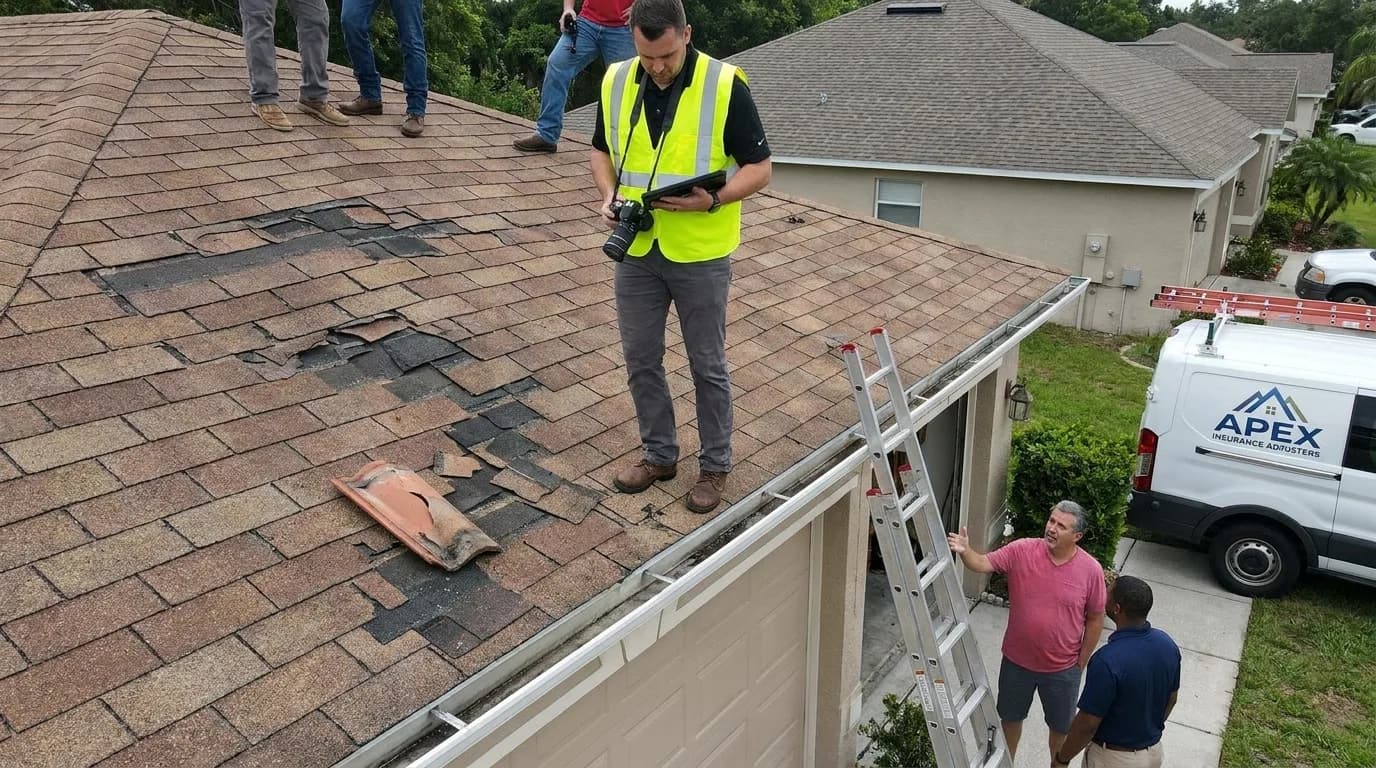
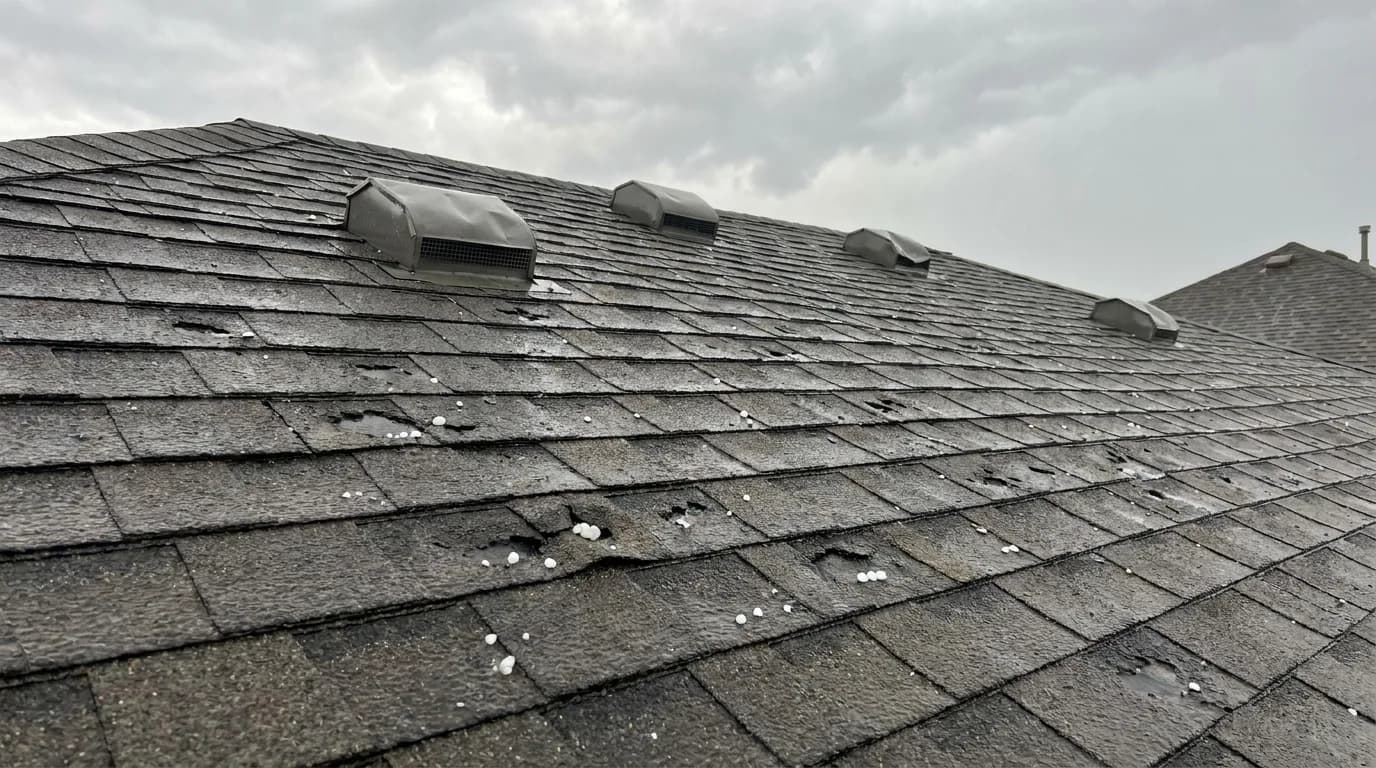
ACV vs RCV roof coverage is the single biggest factor in how much money you actually receive after hail or wind damage, and it is the part of a claim most Airdrie homeowners misunderstand. ACV stands for actual cash value. RCV stands for replacement cost value. The difference between them is depreciation, which is the insurer's estimate of how much value your roof had already lost to age before the storm.
An RCV policy pays to replace the roof with new materials of similar kind and quality. An ACV policy pays only what the old roof was worth on the day it was damaged, which for a 12-year-old roof can be less than half the replacement cost. Most Alberta home policies are RCV for the building, but a growing number apply a separate ACV schedule to roofs, especially older ones, and that detail is easy to miss at renewal.
This guide explains both, walks through a worked example with real numbers, and shows how recoverable depreciation and your deductible fit in. It is general information, not insurance advice. Your own policy wording governs, so confirm the details with your insurer or broker.
What Actual Cash Value Means for Your Roof
Actual cash value roof coverage pays the depreciated value of the roof. The insurer starts with the cost to replace it today, then subtracts a percentage for age and condition. The formula most adjusters use is straight-line: divide the roof's age by its expected life, and that fraction is the depreciation.
A roof with an expected life of 20 years that is 10 years old has lost 50 percent of its value. At 15 years it has lost 75 percent. Some insurers use different expected lifespans for different materials (25 or 30 years for architectural shingles, longer for metal), and some cap depreciation at a maximum such as 70 or 80 percent so the payout never hits zero. The adjuster's report should state the life expectancy and the percentage applied. Ask for it.
ACV is not a fringe concept. On every RCV claim, the ACV is the amount of the first cheque, so understanding how it was calculated matters even if you will eventually recover the rest. And on an ACV-only policy, it is the entire payout.
What Replacement Cost Value Means
Replacement cost value roof coverage pays what it costs to replace the damaged roof with new materials, without deducting for age. That is the coverage most homeowners assume they have. The catch is in how it is paid. Insurers do not want to write a cheque for a new roof and then find out the homeowner pocketed the money and patched the leak, so RCV claims are almost always paid in two stages.
Stage one is the ACV payment, minus your deductible. That arrives after the scope of loss is agreed. Stage two is the balance, called recoverable depreciation or the RCV holdback, and it arrives after you have had the work done and submitted the contractor's final invoice. If you never replace the roof, you keep the ACV and forfeit the holdback.
RCV coverage typically pays for replacement with like kind and quality. If you had a basic architectural shingle and want to upgrade to a Class 4 impact-resistant product, the insurer pays the approved amount and you pay the difference. Some insurers will cover part of that upgrade because it reduces their future hail exposure, which we discuss in the Class 4 shingles guide.
Worked Example: A $14,000 Roof, 20-Year Life, 12 Years Old
Take a typical two-storey home in Sagewood with an architectural asphalt roof that a contractor quotes at $14,000 to replace as of 2026. The shingles were installed 12 years ago, and the insurer uses a 20-year life expectancy. The policy carries a $1,000 deductible. Here is how the two coverage types play out.
| Line item | RCV policy | ACV-only policy |
|---|---|---|
| Replacement cost (approved scope) | $14,000 | $14,000 |
| Depreciation (12 ÷ 20 = 60%) | $8,400 | $8,400 |
| Actual cash value (14,000 − 8,400) | $5,600 | $5,600 |
| Less deductible | −$1,000 | −$1,000 |
| First payment | $4,600 | $4,600 |
| Recoverable depreciation after completion | $8,400 | $0 |
| Total paid by insurer | $13,000 | $4,600 |
| Your out-of-pocket on a $14,000 roof | $1,000 | $9,400 |
Same roof, same storm, same deductible, and the difference in your pocket is $8,400. That is why the first question to ask when you read your renewal is not "what is my deductible" but "is my roof on replacement cost or actual cash value."
Note that on the RCV policy, the first cheque of $4,600 is nowhere near enough to hire a contractor. Reputable roofers in Airdrie understand how claims are paid and will invoice in a way that lets you recover the holdback before the final balance is due. Ask about that when you choose a contractor. Our roof replacement cost guide for Airdrie explains what goes into that $14,000 figure and why quotes vary.
Roof Depreciation Schedule: How Insurers Calculate Age
The roof depreciation schedule is a table the insurer uses to convert age into a percentage. Straight-line is the most common method, but the assumed lifespan is where insurers differ, and it makes a large difference. The table below shows the same $14,000 roof across ages and two common life expectancies.
| Roof age | ACV at 20-year life | ACV at 25-year life |
|---|---|---|
| New | $14,000 | $14,000 |
| 5 years | $10,500 | $11,200 |
| 10 years | $7,000 | $8,400 |
| 12 years | $5,600 | $7,280 |
| 15 years | $3,500 | $5,600 |
| 20 years | $0 (or capped minimum) | $2,800 |
A few things affect where you land. The material matters: three-tab shingles are often assigned 15 to 20 years, architectural 20 to 30, Class 4 sometimes longer, and metal 40 or more. The condition matters: an adjuster who sees a well-maintained roof may apply less depreciation than the schedule suggests, and one who sees moss, curled tabs and clogged eavestroughs may apply more. And the installation date matters, so keep the invoice from your last roof somewhere you can find it.
If the adjuster has assumed your roof is older than it is, or used a 15-year life on a 30-year architectural shingle, that is worth disputing. It is one of the more common and more fixable reasons a payout comes in low. How long roofs really last around here is covered in our article on roof lifespan in Alberta.
Recoverable Depreciation: How to Get the Holdback Released
Recoverable depreciation roof payments are where claims most often stall. The insurer has approved $14,000, paid $4,600, and is holding $8,400 until it sees proof the roof was replaced. Getting that released is a paperwork exercise, but a few rules apply.
First, the work has to be completed, usually within a time limit written into the policy. One year from the date of loss is common, and some policies allow two. If you sit on a claim through a winter and a summer, you can lose the holdback entirely, so confirm your deadline early. Second, the insurer needs a final invoice from the contractor showing the work done and the total charged. Some also want photos of the finished roof, a certificate of completion, or proof the invoice was paid.
Third, the amount released is normally the lesser of the approved depreciation or what you actually spent. If your contractor replaced the roof for $12,500 instead of $14,000, the insurer pays up to $12,500 total minus your deductible, not the full approved figure. Conversely, if the job cost more because of a legitimate supplement (rotten decking, code-required ice-and-water shield), submit that with the invoice, because approved supplements are paid on top.
A contractor who handles insurance work regularly will send the completion package to your adjuster directly. That is part of what our roof insurance claim support covers, and it removes most of the delay from the final payment.
Roof Insurance Deductible in Alberta: Flat, Percentage and Hail-Specific
Your roof insurance deductible in Alberta is subtracted from the total claim, not from each payment, and it is usually your entire out-of-pocket cost on a fully approved RCV claim. But deductibles have changed in the last few years as insurers respond to hail losses, and it pays to know which type you have.
- Flat deductible: a fixed amount, commonly $1,000 to $2,500 on Alberta home policies. Simple and predictable.
- Percentage deductible: a percentage of the dwelling coverage amount rather than of the claim. At 1 percent on a home insured for $600,000, that is $6,000 off every claim.
- Separate hail or wind deductible: some insurers in Hailstorm Alley apply a higher deductible specifically for hail and windstorm losses, sometimes 2 to 5 percent of dwelling coverage. This can turn a $14,000 roof claim into a much smaller cheque.
- Roof-specific ACV schedule: not technically a deductible, but it functions like one. The policy pays RCV on the house and ACV on the roof once it passes a certain age.
Read your declarations page and look for any line that mentions hail, wind, or roofing separately. If your deductible is a percentage, run the number against your dwelling limit so you are not surprised. And if the deductible on a hail claim comes to more than about half the repair cost, it may be worth discussing with your contractor whether a claim makes sense at all.
ACV-Only Roof Schedules: The Trap on Older Roofs
Over the past few years several insurers have introduced roof schedules that switch coverage from RCV to ACV once the roof reaches a certain age, typically 10, 15 or 20 years, or that apply ACV to any roof of a given material. The change is usually disclosed in a renewal letter that most people do not read, and the first time the homeowner learns about it is when the adjuster explains why the cheque is $4,600 rather than $13,000.
If you have a roof in the 12 to 20 year range, it is worth a five-minute call to your broker to ask a direct question: if hail took the roof tomorrow, would the claim pay on replacement cost or actual cash value, and is there any age at which that changes. If the answer is ACV, you have a few options. Some insurers will move you back to RCV after an inspection or a roof replacement. Some will do it if you install Class 4 impact-resistant shingles. And sometimes the right answer is simply to shop the policy.
An ACV-only schedule also changes the maths on a denied or underpaid claim. Fighting for an extra $2,000 of scope is worth less when the insurer only pays 40 percent of it. If you are in that situation, our guide on what to do when a roof claim is denied in Alberta covers how to weigh the effort.
How to Check Which Coverage You Have
You do not need to read the whole policy. Look for four things: the coverage basis for the dwelling (replacement cost or actual cash value), any roof-specific endorsement or schedule, the deductible section including any hail or wind deductible, and the time limit for completing repairs to recover depreciation. These usually appear on the declarations page and in one or two endorsements attached to it.
If anything is unclear, email your broker with the specific questions and keep the written reply. Brokers deal with these questions every hail season and can usually answer the same day. Doing this before a storm is far better than doing it after, because some of the fixes, such as upgrading to RCV or adding a Class 4 roof to earn a premium discount, take effect at renewal or after the work is done.
For a full picture of how ACV and RCV fit into the claim from first inspection to final payment, the pillar article in this series, our step-by-step Alberta hail roof insurance claim guide, walks through every stage in order.
Planning a Claim Roof Replacement in Airdrie
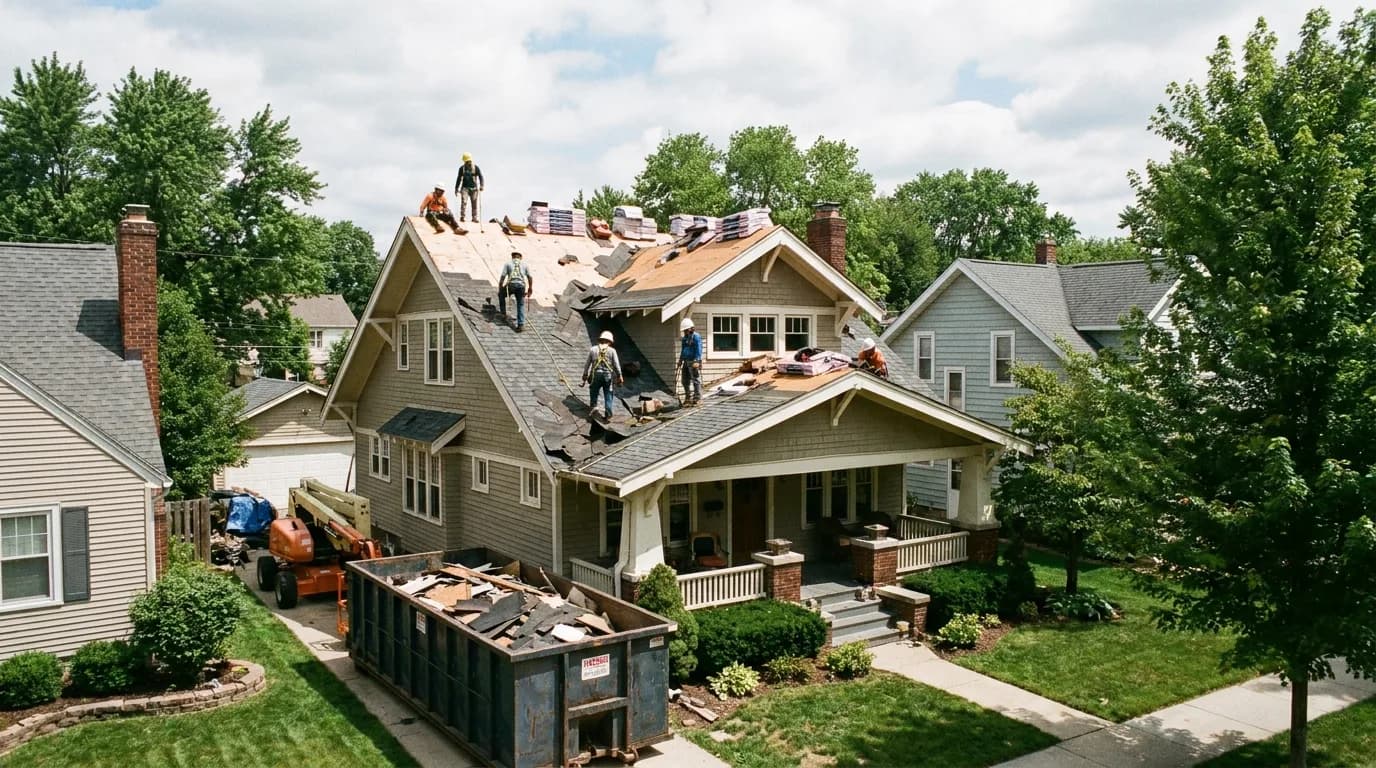
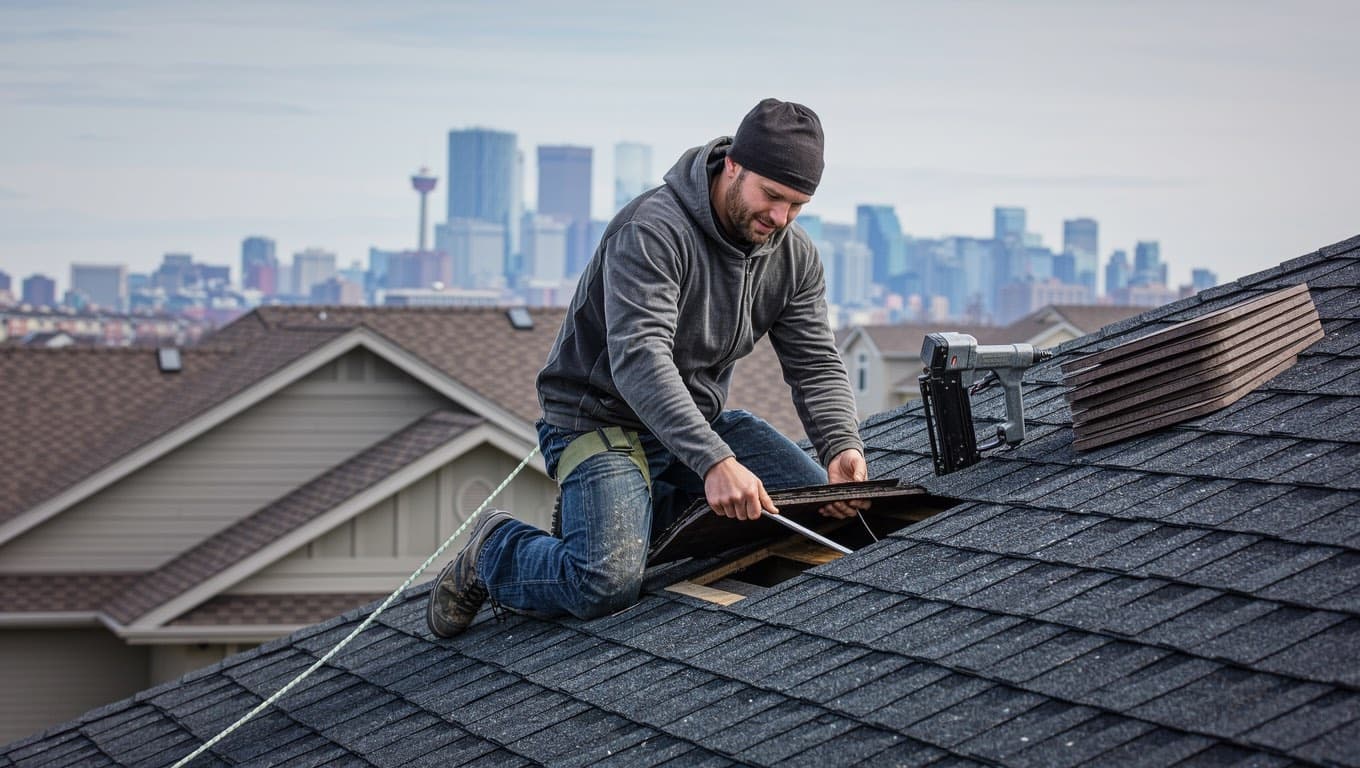
Whether your policy pays RCV or ACV, the roof still needs replacing properly, and the contractor you choose affects how smoothly the money moves. Apex Roofing Airdrie provides free on-site estimates with itemised written quotes that line up with an insurer's scope of loss, we can meet your adjuster on site, and we send the completion package that releases your recoverable depreciation. Every replacement carries our written workmanship guarantee on top of the manufacturer warranty.
If you are weighing up a claim, or you already have a scope of loss and want to know whether it covers a code-compliant roof, book a free inspection through the contact page. You can also read about our roof replacement service in Airdrie and hail damage roof repair to see what a proper storm rebuild includes.
Written by the Apex Roofing Airdrie crew
Practical guidance from the local roofers who inspect, repair and replace roofs across Airdrie and Rocky View County every season. We review our guides against current Alberta practice and update them when materials, code or insurer behaviour changes. About our team.