In this guide
- 01Why Airdrie Hail Storms Happen So Often
- 02The Geography: Foothills, Moist Air and Cold Air Aloft
- 03Recent Airdrie and Calgary Hail Storms: What They Cost
- 04Airdrie Hail Season: When and Where to Watch
- 05During the Storm: What to Do While It Is Hailing
- 06The First 48 Hours After an Airdrie Hail Storm: Checklist
- 07What Hail Damage Looks Like and What to Document
- 08The 12-Month Claim Window and Why Timing Matters
- 09Storm Chasers After an Airdrie Hail Storm
- 10Hail-Proofing Your Home Before the Next Airdrie Storm
- 11After the Storm: Get a Free Inspection in Airdrie
Why Airdrie Hail Storms Happen So Often
An Airdrie hail storm is not bad luck. It is geography. Airdrie sits on the northern edge of Calgary at the southern end of what meteorologists and insurers call Hailstorm Alley, a corridor running roughly from High River through Calgary and Airdrie up to Red Deer. This strip of central Alberta sees more damaging hail than almost anywhere else in Canada, and it is the reason our roofs get replaced more often than roofs in Vancouver or Toronto.
The Insurance Bureau of Canada (IBC) reports that Alberta has experienced a major hailstorm every year for the past two decades, with more than $11 billion in insured damage over that period, and insured hail losses in the province of roughly $6 billion in the past five years alone. For an individual Airdrie homeowner that translates into a realistic expectation of at least one, and often two or three, roof-damaging hail events over the life of a 20-year shingle roof.
Understanding why it happens here will not stop the next storm, but it does explain why insurers treat this corridor differently, why Class 4 shingles are worth considering, and why the days after a storm matter so much.
The Geography: Foothills, Moist Air and Cold Air Aloft
Hail needs three ingredients: moisture, strong upward air currents, and cold air at height. Central Alberta lines up all three between June and August. Warm, moist air from the south and east pools over the prairie through the day. As it drifts west, the rising ground of the foothills and the Rockies forces it upward, and the intense afternoon sun over the high ground east of the mountains adds more lift. Storm cells build along the foothills in the early afternoon and then track east and north across the corridor, which is why Cochrane and Crossfield often get hit before Airdrie and why storms so frequently arrive in the late afternoon or evening.
Inside those cells, updrafts strong enough to hold a hailstone aloft let it cycle up and down through supercooled water, adding layers of ice each time. What sets Alberta apart from other hail-prone regions is elevation. Airdrie sits at roughly 1,100 metres above sea level, and the freezing level in summer is not far above that. A hailstone formed at height has a shorter drop through warm air before it lands, so it arrives larger and harder than the same stone would on low ground.
The Chinook arch, the band of clear sky along the mountains that Airdrie residents know from winter, is a sign of the same terrain-driven air movement that powers summer storms. In winter the descending air is warm and dry. In summer, with moisture in the mix, the same lifting mechanism over the foothills becomes a hail factory. Environment Canada issues severe thunderstorm watches and warnings for the Airdrie region on many summer afternoons for exactly this reason.
Recent Airdrie and Calgary Hail Storms: What They Cost
Two recent events show the pattern. On July 13, 2025, a storm crossed the Calgary region and IBC's insured loss estimate rose from an initial figure of roughly $92 million to about $164 million as claims came in, a reminder that the true cost of a hail event takes months to emerge because so much roof damage is found late.
Closer to home, on the evening of Aug 8, 2026, a severe storm tracked down the Crossfield–Airdrie corridor with quarter-sized hail and damaging wind. Power was knocked out to more than 2,100 customers in northwest Airdrie. Neighbourhoods on the north and west sides of the city, including parts of Bayside, Williamstown, Reunion and Windsong, took the brunt of it, though hail swaths are narrow and homes a few streets apart saw very different outcomes. If you are in Crossfield or on the northern edge of Airdrie and have not had your roof looked at since, it is worth doing before winter.
Quarter-sized hail is right at the threshold where asphalt shingles start taking functional damage, and wind-driven quarter hail behaves more like loonie hail on the storm-facing slopes. That combination, moderate hail plus high wind, is what makes a storm like Aug 8 so expensive: the roof damage is real but not always obvious from the driveway.
Airdrie Hail Season: When and Where to Watch
Hail season in Airdrie runs from late May into September, with the peak in July and early August. Storms most often arrive between 3 p.m. and 9 p.m. after a hot, humid day. A cool, dry summer day carries very little risk; a day that hits 28 degrees with a sticky feel and towering clouds over the foothills by noon is one to watch.
If you searched for Airdrie hail today because clouds are building, the authoritative source is Environment Canada's alerts page at weather.gc.ca, which posts severe thunderstorm watches and warnings by region. The Alberta Emergency Alert system and local radar apps are useful backups. A watch means conditions are favourable; a warning means a severe storm has been detected and is heading your way, usually with 20 to 40 minutes of notice.
Within Airdrie, no neighbourhood is immune, but hail swaths tend to run southwest to northeast, so a cell that clips Cochrane and Balzac often arrives over the west and north sides of the city first. Storms that form further south can come up from the Calgary side and hit Southwinds, Prairie Springs and Cooper's Crossing before anything else. Over 20 years, every part of the city takes its turn.
During the Storm: What to Do While It Is Hailing
Stay inside and away from windows and skylights. Large hail can break glass, and skylight domes are a common casualty. If you have warning, move vehicles into the garage or under cover, bring in patio furniture, and lower or cover anything on the deck. Do not go outside to protect the car once hail is falling; a golf-ball stone at terminal velocity can cause a serious injury.
If the power goes out, as it did for thousands of Airdrie homes on Aug 8, keep the fridge and freezer closed and check on neighbours who may need help. Unplug sensitive electronics in case of a surge when power returns. Keep a torch and a charged phone handy, and if you smell gas or see downed lines, call the utility and stay clear.
Once the storm passes, resist the urge to inspect the roof immediately. Wait for the lightning to move off, and in any case there is nothing to be gained by climbing up in the wet. The next 48 hours are what count.
The First 48 Hours After an Airdrie Hail Storm: Checklist
Work through these in order. Every step is something you can do from the ground and none of them commit you to a claim.
- Check for active leaks. Look at ceilings, around skylights, and in the attic if it is accessible. Put a bucket under any drip and photograph the wet area.
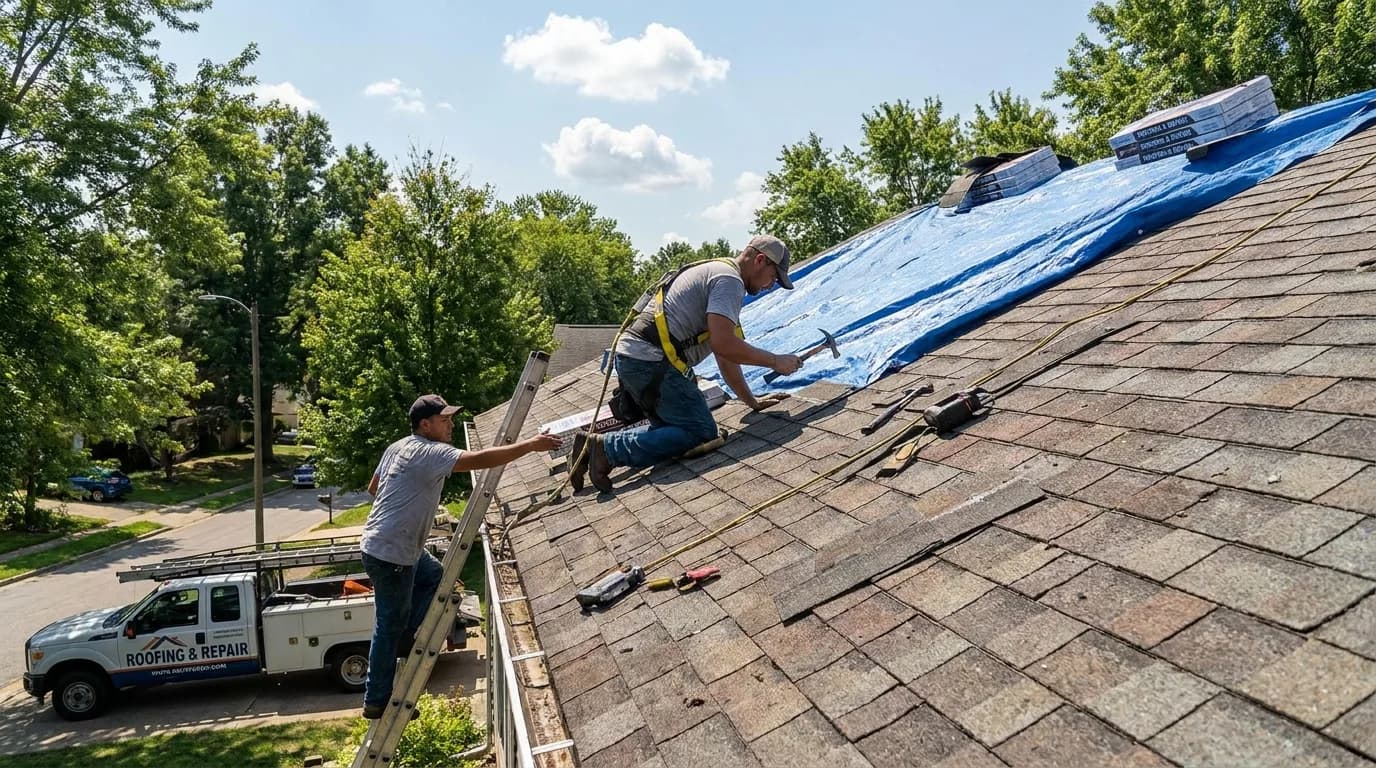
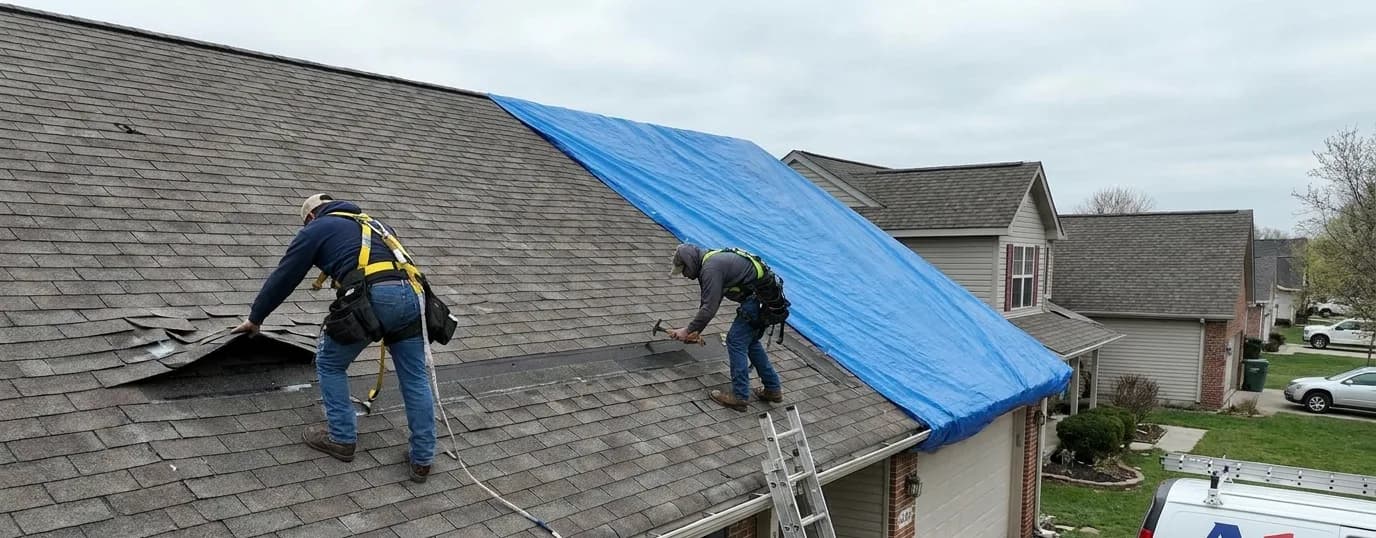
- Stop water getting in. If water is coming through, call for emergency roof tarping. Insurers expect you to prevent further damage and generally cover reasonable emergency costs, so keep the invoice.
- Photograph everything from the ground. Hailstones next to a coin or tape measure, dents in eavestroughs and fascia, granules at the downspouts, marks on siding, the garage door, the AC unit, vehicles, fences and windows. Include a wide shot of each side of the house.
- Note the date and time. Write it down along with a screenshot of the Environment Canada warning if one was issued. This ties your damage to a specific, documented event.
- Do not climb on the roof. It is dangerous and can add scuffs that confuse the evidence.
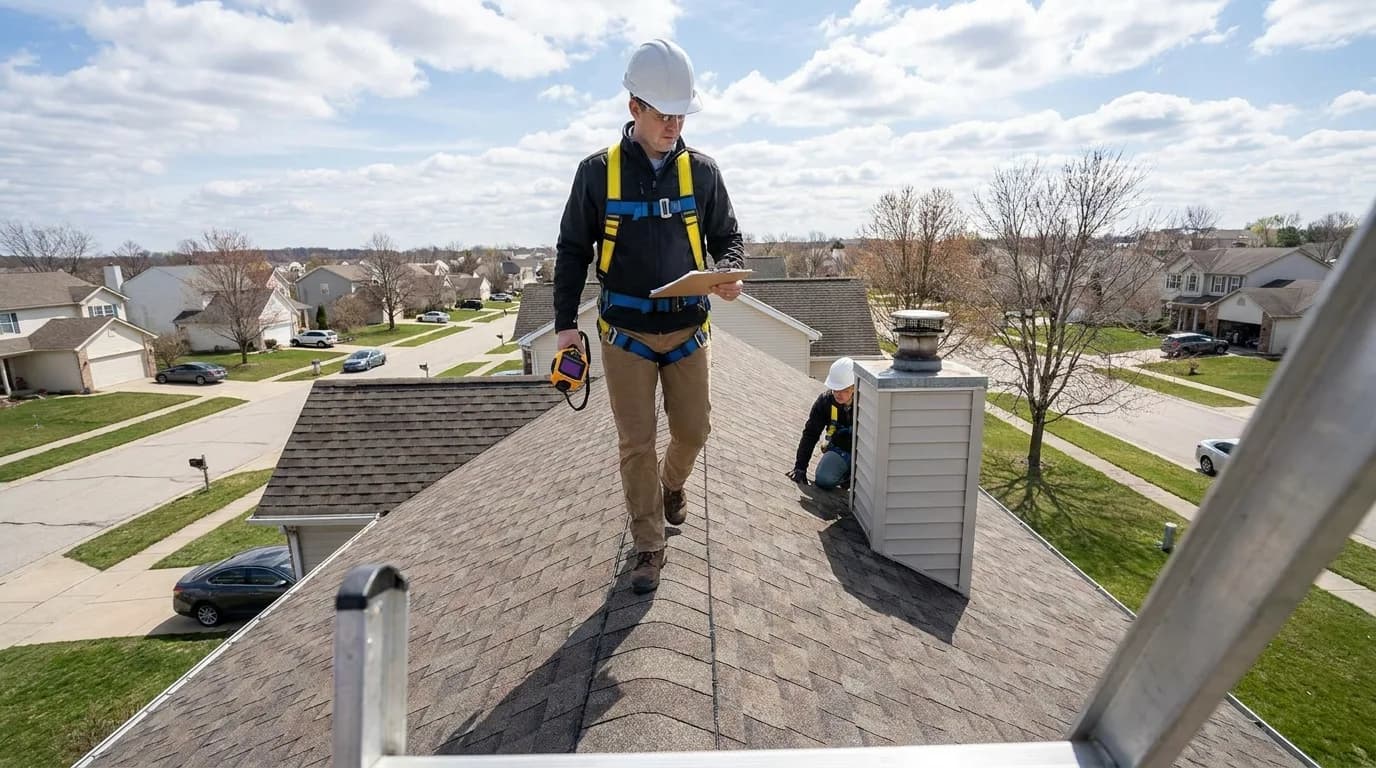
- Book a free inspection. Have a local contractor document the roof before you call the insurer, so you know whether a claim is warranted and have your own evidence if it is.
- Do not sign anything at the door. Storm chasers will start knocking within a day or two. Take a card, thank them, and close the door.
- Keep every receipt. Tarping, temporary repairs, hotel nights if the home is unliveable, and anything else related to the storm.
- Check on the eavestroughs. Granules and shredded leaves can block them, and a blocked eavestrough after a storm leads to overflow and fascia rot.
If the inspection finds damage that justifies a claim, call your insurer with the storm date, your photos and the contractor report in hand. If it finds only light cosmetic marks, you have lost nothing and gained a documented baseline for the next storm.
What Hail Damage Looks Like and What to Document
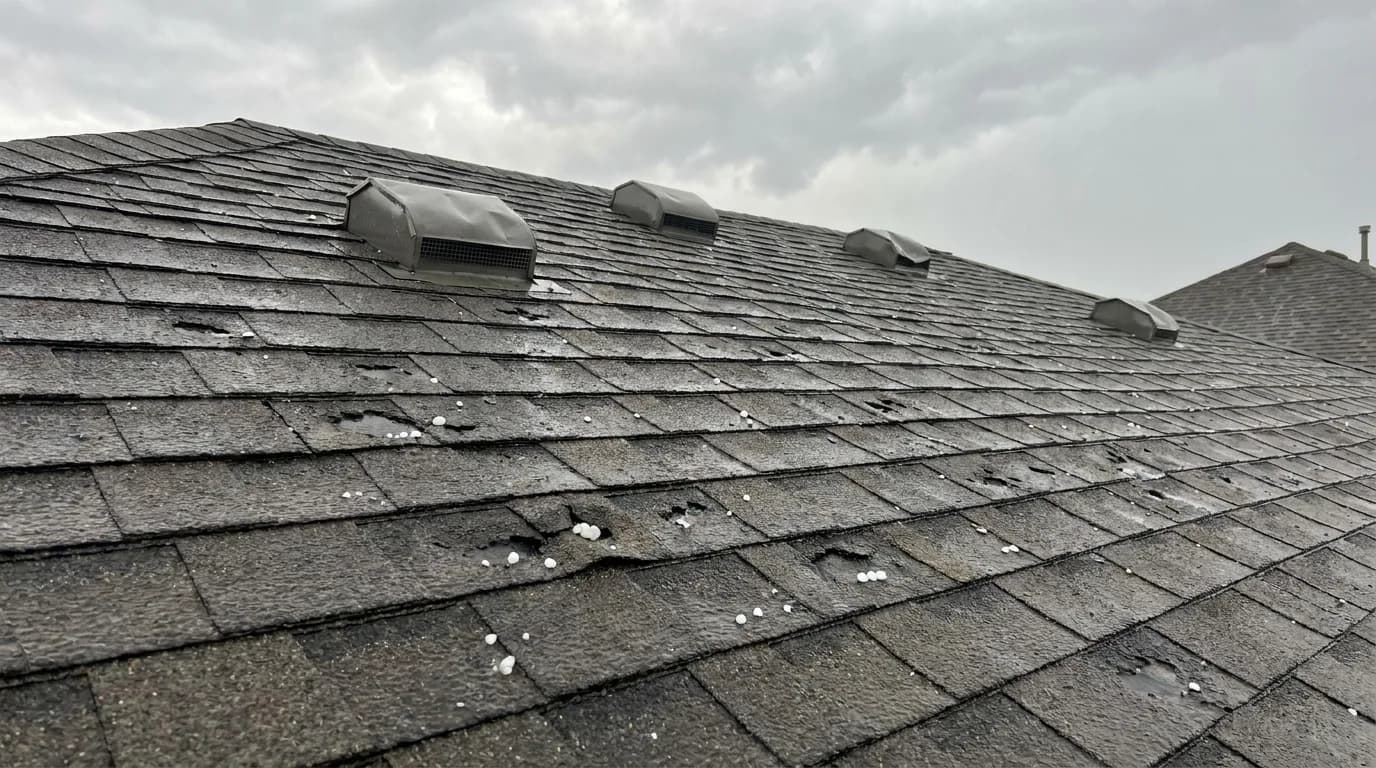
Airdrie hail damage on a shingle roof shows as random round bruises where granules are knocked off and the asphalt mat underneath is fractured, plus dents in every piece of soft metal on the roof. From the ground, the metal is what you can see: vents, eavestroughs, fascia and flashing. If those are dented on the side of the house that faced the storm, the shingles are almost certainly bruised too.
Beyond the roof, check siding for cracks and chips (vinyl cracks, aluminium dents, fibre cement chips at the corners), window screens and frames, skylight domes, the garage door, the deck and fence, and the AC condenser fins. Each of these belongs in the same claim, and insurers commonly miss siding and eavestrough damage if you do not point it out. Our guide to hail damage on siding covers what qualifies and how matching works.
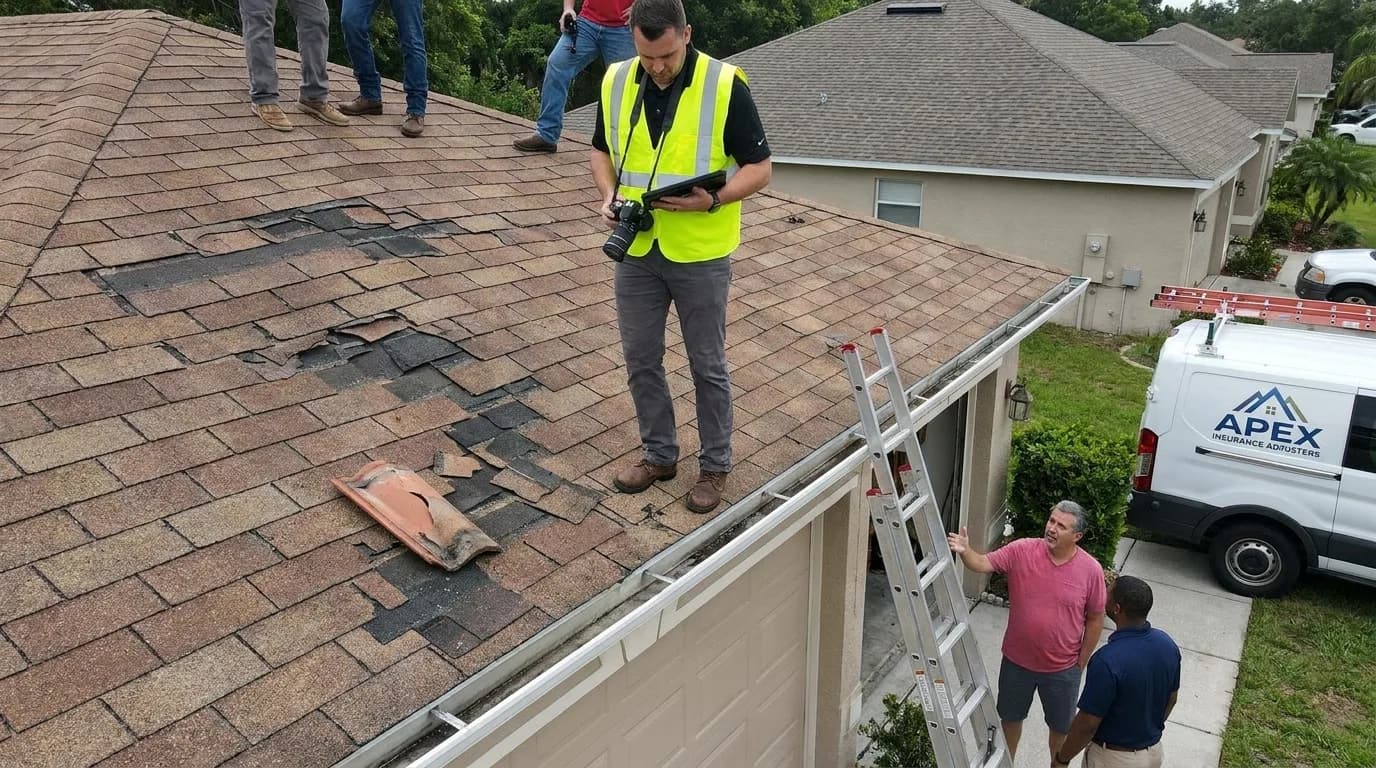
For the roof itself, the full list of signs, the hail-size damage table and what adjusters count in a test square are in our hail damage roof checklist for Airdrie homeowners. A contractor's inspection report should include dated photos, a marked test square on each slope, and a written opinion on whether the damage justifies a claim.
The 12-Month Claim Window and Why Timing Matters
Hail damage Alberta insurance policies generally treat hail as a named peril, so genuine, documented damage is usually covered. But most policies set a window for reporting a loss, and for hail many Alberta insurers expect the claim within roughly 12 months of the storm. The exact period varies, and it is written in your policy, so confirm it with your insurer or broker rather than assuming.
The window matters for two reasons beyond the deadline itself. First, evidence degrades. Bruises that are obvious in August are ambiguous by the following June after a winter of freeze-thaw and Chinook cycling, and an adjuster who cannot tie damage to a specific storm is more likely to call it wear and tear. Second, damage spreads. A fractured shingle lets water into the mat, that water freezes, and by spring a cosmetic bruise has become a leak point. Repairing before winter is cheaper and better for the claim.
The practical advice is to have the roof inspected in the same season as the storm and to file within a few weeks if a claim is warranted. The full process, from inspection to adjuster meeting to recovering the depreciation holdback, is set out in our step-by-step Alberta hail roof insurance claim guide.
Storm Chasers After an Airdrie Hail Storm
Within days of a major cell, trucks with out-of-province plates start working Airdrie streets, offering free inspections and, very often, finding hail damage on every single roof. Some of these operators are legitimate contractors following the work. Many are not. The common warning signs are pressure to sign today, an offer to cover or waive your deductible (which is insurance fraud), a request to sign an assignment of benefits that hands them control of your claim, and no local address or references.
In Alberta you choose your own contractor. Your insurer cannot force you to use theirs, and no contractor can require you to use them just because they inspected the roof. Get at least one quote from a local company that will still be here next winter when the workmanship guarantee matters. We cover the specific tactics and how to check a contractor in roofing scams and storm chasers in Alberta.
Hail-Proofing Your Home Before the Next Airdrie Storm
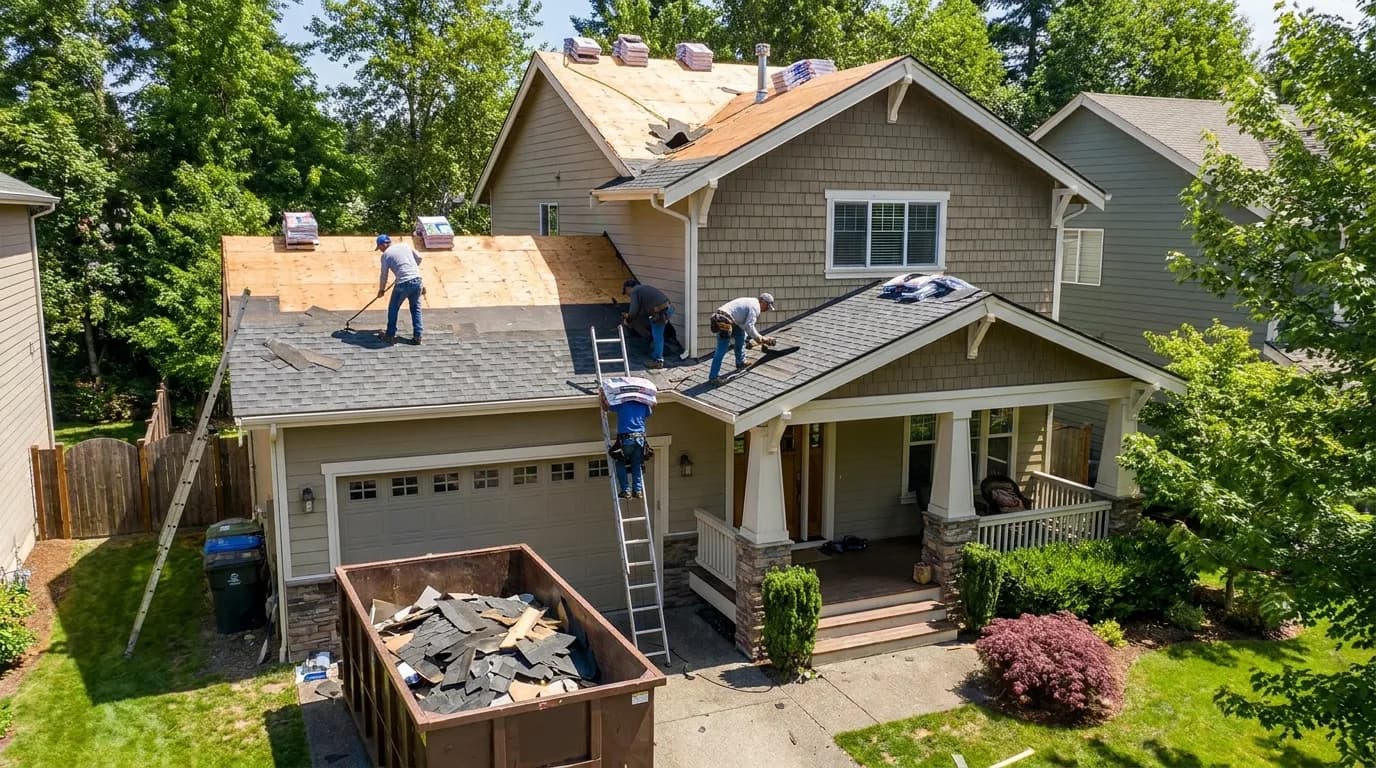
You cannot stop the hail, but you can change what it does to your house. The biggest single upgrade is a Class 4 impact-resistant shingle, which resists the mat fracture that leads to leaks and often earns an insurance discount. It typically adds $1,500 to $4,000 to a replacement as of 2026, and if you are replacing under a claim anyway, you only pay the difference. Our guide to Class 4 shingles in Alberta has the costs, the brands and the payback maths.
Beyond the roof: fibre cement siding such as James Hardie holds up to hail far better than vinyl, impact-rated skylight domes survive stones that shatter acrylic, and keeping eavestroughs clear means a storm's runoff goes where it should. It is also worth reviewing your policy each renewal for hail deductibles and roof age schedules, because those quietly determine what a future storm costs you.
After the Storm: Get a Free Inspection in Airdrie
If a storm has passed over your home, Apex Roofing Airdrie provides free, no-obligation inspections with dated photos and test-square counts, carried out by our own local crew. We will tell you honestly whether the damage warrants a claim, and if it does, we handle the documentation and can meet your adjuster on site. For active leaks we offer emergency tarping so the damage does not spread while the claim is processed.
See our hail damage roof repair service and roof insurance claim support, or book a same-week inspection through the contact page. Every repair and replacement carries our written workmanship guarantee on top of the manufacturer warranty.
Written by the Apex Roofing Airdrie crew
Practical guidance from the local roofers who inspect, repair and replace roofs across Airdrie and Rocky View County every season. We review our guides against current Alberta practice and update them when materials, code or insurer behaviour changes. About our team.