In this guide
- 01Roof Insurance Claim Denied: What It Actually Means
- 02Why Roof Claims Get Denied in Alberta
- 03Step 1: Get the Denial in Writing and Read the Policy Wording
- 04Step 2: Get an Independent Roof Inspection and a Second Opinion
- 05Step 3: Request a Re-Inspection With Your Contractor Present
- 06Step 4: File a Written Roof Claim Appeal
- 07Step 5: Escalate to an Ombudsman or the Appraisal Process
- 08The Wear and Tear Exclusion: How Insurers Draw the Line
- 09Partial Approvals and Underpaid Claims
- 10Mistakes That Make a Denial Stick
- 11Need Help With a Denied Roof Claim in Airdrie?
Roof Insurance Claim Denied: What It Actually Means
A roof insurance claim denied by your insurer is a decision, not a verdict. It means the adjuster looked at the evidence available on the day and concluded either that the damage is not covered under your policy, or that it does not meet the threshold for the repair you asked for. Both of those conclusions can be revisited when better evidence turns up, and in our experience a meaningful share of denied roof claims in the Airdrie area are later approved in part or in full.
The key is to treat the denial as the start of a process rather than a door closing. Insurers have internal review steps, Alberta policies include a dispute mechanism for disagreements over amount, and there is an independent ombudservice for home insurance complaints in Canada. Each of those steps works better when you arrive with dated photographs, a test-square count, and a written contractor report.
This guide walks through what to do if insurance denied your roof claim, in order, from the first phone call to escalation. It is general information, not legal or insurance advice, so confirm every step against your own policy wording and with your broker.
Why Roof Claims Get Denied in Alberta
Denial letters tend to cluster around a handful of reasons. Understanding which one applies to you determines the response, because a wear-and-tear denial needs different evidence than a late-filing denial.
| Denial reason | What the insurer is saying | Best response |
|---|---|---|
| Wear and tear / age | The roof failed from normal ageing, not a sudden event | Independent inspection showing storm-specific damage (bruises, soft metal dents) |
| Insufficient damage | Strike count below the test-square threshold | Contractor test square on each slope, compare counts, request re-inspection |
| Pre-existing damage | Damage predates your policy or the storm | Dated photos, prior inspection reports, storm date records |
| Late reporting | Claim filed outside the policy's reporting window (often ~12 months for hail) | Evidence of when damage was discovered; ask about exceptions |
| Cosmetic only | Dents do not affect roof function (common on metal) | Show functional impact: cracked finish, broken seals, exposed mat |
| Improper installation | Prior roofer's workmanship caused the failure | Warranty claim against the installer; may still be partly covered |
| Lack of maintenance | Clogged eavestroughs, moss, unrepaired flashing led to the loss | Maintenance records, receipts, photos |
| Excluded peril | Loss caused by something the policy does not cover | Review wording with broker; check whether a covered peril contributed |
The insurance adjuster roof report is where these reasons come from, and you are entitled to see the basis of the decision. If your denial letter is vague, your first job is to make it specific.
Step 1: Get the Denial in Writing and Read the Policy Wording
Ask your insurer for the denial in writing if you only received a phone call. The letter should state the reason, reference the policy clause it relies on, and ideally include the adjuster's report or at least the test-square findings. In Alberta, insurers are expected to explain claim decisions, and most will send the adjuster's photos and notes if you ask.
Then read the actual policy wording, not the summary page. Find the section on perils (hail and wind are usually named perils on Alberta home policies), the exclusions section (look for wear and tear, gradual deterioration, cosmetic damage, and maintenance), the reporting requirements, and the dispute resolution or appraisal clause. Note whether your roof is insured on replacement cost or actual cash value, because that shapes what an approval would even pay. Our guide to ACV vs RCV on a roof claim explains the difference in numbers.
Write down any point where the denial reason and the policy wording do not obviously line up. A denial for "wear and tear" on a 6-year-old roof with fresh soft metal dents, for example, is worth challenging. So is a denial that mentions cosmetic damage when your policy has no cosmetic exclusion.
Step 2: Get an Independent Roof Inspection and a Second Opinion
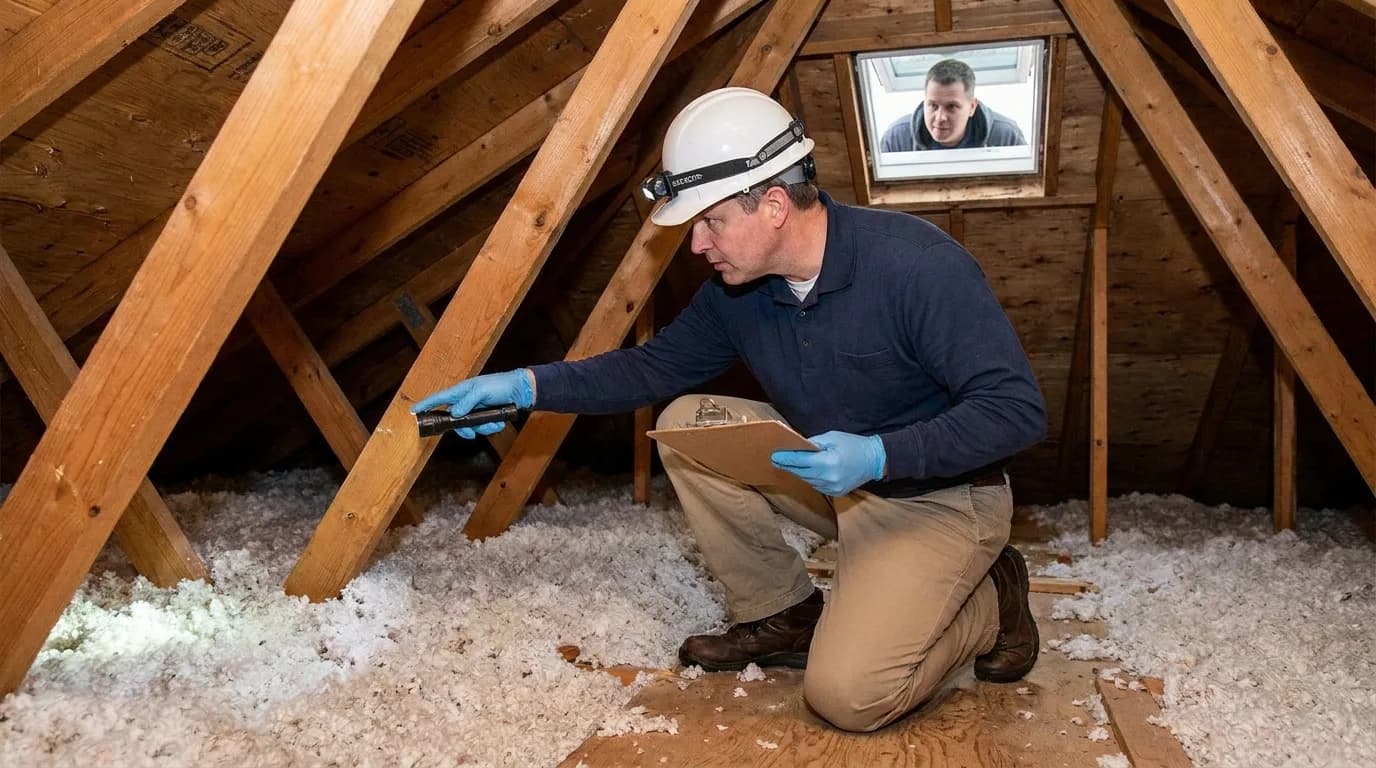
Most denials come down to a difference of opinion about what is on the roof. The most effective way to shift that is with independent evidence gathered by someone who spends every day on Alberta roofs. Book a free documented roof inspection in Airdrie and ask specifically for a hail and wind assessment tied to the storm date.
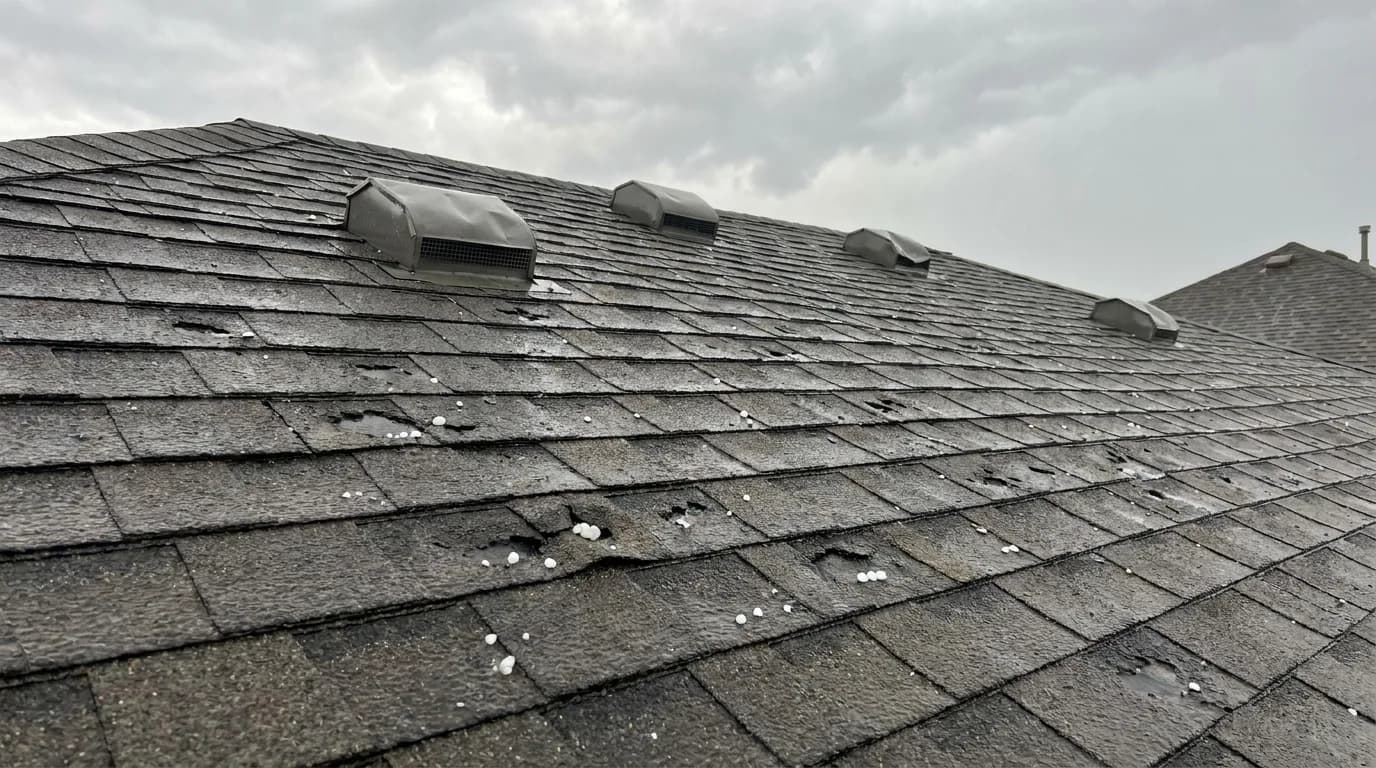
A useful inspection report for an appeal includes dated, close-up photographs of bruised shingles with a coin or ruler for scale, a chalked 10 by 10 foot test square on each slope with the strike count written on it, photos of dents in soft metal (vents, eavestroughs, fascia, flashing) that corroborate hail, and notes on wind damage such as creased or lifted tabs. It should also state plainly whether the inspector thinks the damage is storm-related and why.
Be wary of any contractor who promises to get a denied claim approved before they have seen the roof. A credible second opinion sometimes agrees with the adjuster, and that is still useful: it tells you to stop spending energy on the appeal and start planning a paid repair. If you are not sure what genuine hail damage looks like, our hail damage checklist for Airdrie homeowners shows the signs an inspector will be looking for.
Step 3: Request a Re-Inspection With Your Contractor Present
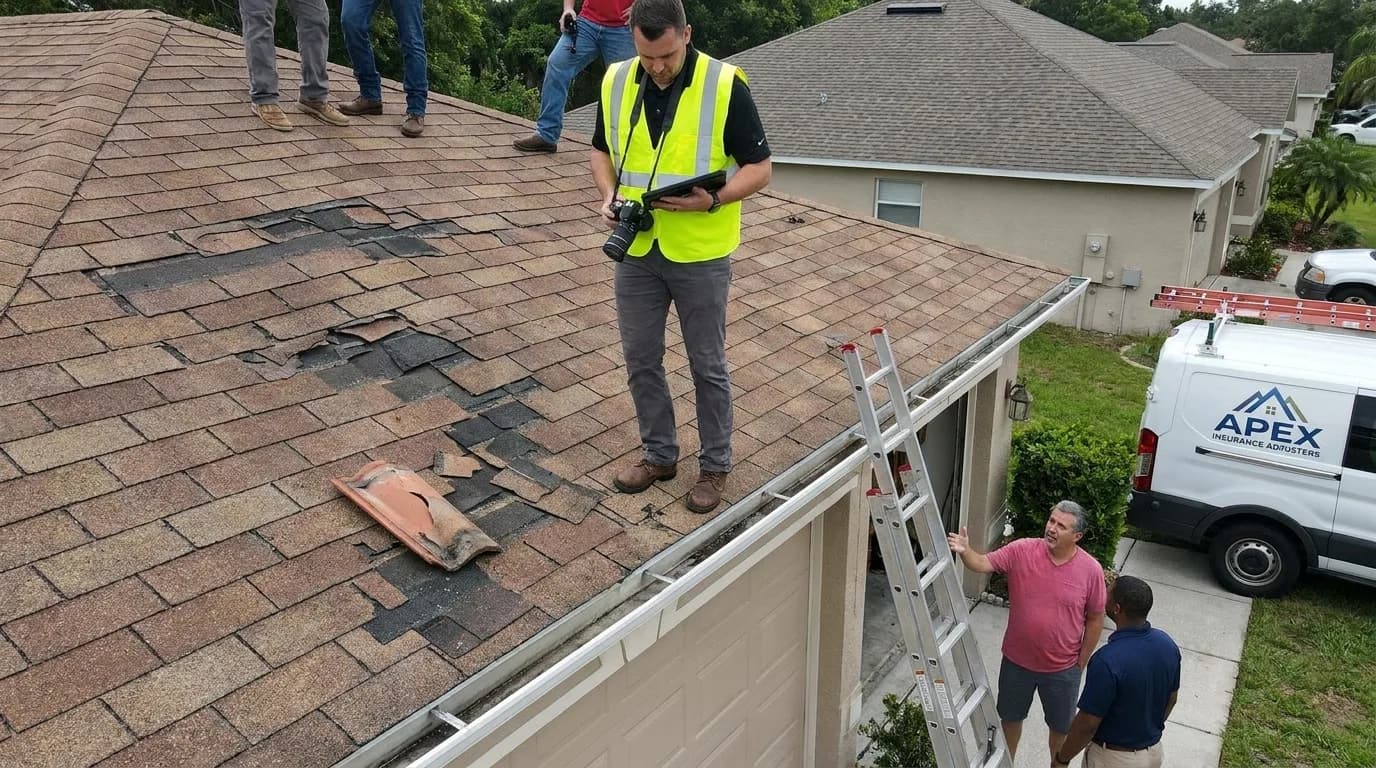
With a contractor report in hand, call your adjuster and request a re-inspection. Most insurers will agree to one when you have new evidence, and some will send a different adjuster or a senior field adjuster. Ask for the appointment to be scheduled so your contractor can attend.
Having your roofer on site changes the dynamic. The two test squares get compared in the same light, on the same slope, with both parties pointing at the same marks. Disagreements about whether a mark is hail or a blister get resolved in minutes rather than by exchanging emails over weeks. Your contractor can also point out collateral damage the first adjuster may have missed, such as split vent hoods, cracked skylight domes, or dented eavestroughs.
Prepare a short written summary before the visit: storm date, what you observed, what the contractor found, and what specifically you disagree with in the denial. Keep it factual and polite. Adjusters handle a high volume of claims after an Alberta hail event, and a clear, organised file gets more careful attention than an angry phone call.
Step 4: File a Written Roof Claim Appeal
If the re-inspection does not change the outcome, move to a formal roof claim appeal in writing. Every insurer in Canada has an internal complaint-handling process, and the denial letter or the insurer's website should tell you who to write to. Typically the first step is the adjuster's manager or claims supervisor, and the second is the company's complaint officer or internal ombudsman.
A strong appeal letter is short and organised. Include your policy number and claim number, the storm date and what happened, the denial reason as stated, the specific policy wording you believe applies, and a list of attached evidence: contractor report, photos, test-square counts, receipts for maintenance, and any weather records. Environment Canada storm summaries and local news reports can help establish that a damaging storm did pass over your neighbourhood on the date claimed.
State clearly what you are asking for: approval of the full claim, approval of the storm-facing slopes, or a re-evaluation of the strike count. Ask for a written response and note the date you sent it. Insurers generally have internal timelines for responding to complaints, and if you receive no reply after a reasonable period, you can point to that when you escalate.
Step 5: Escalate to an Ombudsman or the Appraisal Process
When the insurer's internal process ends with a final position letter that you still disagree with, there are two external routes, and which one applies depends on the nature of the dispute.
If the disagreement is about coverage (whether the damage is covered at all), the next step is usually the General Insurance OmbudService (GIO), an independent, free dispute-resolution service for home, auto and business insurance customers in Canada. GIO generally requires that you have first completed your insurer's internal complaint process and received a final position letter. Its process and eligibility rules can change, so check the current details on GIO's website before relying on this route.
If the disagreement is about amount (the insurer accepts the loss is covered but you disagree on how much roof needs replacing or what it costs), Alberta home policies typically include a dispute resolution or appraisal process under provincial insurance legislation. Each side appoints an appraiser, and the two appraisers select an umpire if they cannot agree. The outcome is usually binding on the amount. There are costs involved, so weigh them against the gap between the offer and your contractor's estimate. Your broker can explain how the process applies to your specific policy, and for larger disputes a lawyer who handles insurance matters is worth a consultation.
The Wear and Tear Exclusion: How Insurers Draw the Line
The wear and tear exclusion is the most common reason a roof insurance claim is denied, so it deserves its own explanation. Home insurance covers sudden, accidental losses from covered perils. It does not cover the gradual deterioration every roof experiences from UV, thermal cycling, and time. An 18-year-old shingle that has lost most of its granules and started curling is a maintenance issue, and no amount of appealing will change that.
The grey area is a roof that was ageing and then got hit by hail. Insurers do not get to deny a covered loss just because the roof was old, but they do get to argue that the failure you are claiming was already happening. The evidence that separates the two is the storm-specific signature: round bruises with soft centres, matching dents in soft metal on the same slopes, and a sudden change compared to the roof's condition before the storm date.
This is where an old inspection report or a set of photos from a real estate listing becomes gold. If you can show what the roof looked like a year before the storm, the change is easy to demonstrate. Going forward, an annual roof maintenance visit in Airdrie that produces dated photos is cheap insurance against a future wear-and-tear argument.
Partial Approvals and Underpaid Claims
Not every disputed claim is a flat denial. Often the insurer approves two slopes and denies two, or approves the shingles but not the underlayment, drip edge or ice-and-water shield. Sometimes the approved amount is simply too low to hire a competent contractor to do the work to code.
Treat these the same way as a denial: get the scope of loss in writing, have your contractor compare it line by line against a proper estimate, and submit a supplement for anything missing. Code-required items are usually approved when the request cites the requirement and explains why it applies. Matching is another common gap. If the insurer approves two slopes but the original shingle is discontinued, ask about matching provisions in your policy, because a roof with two obviously different shingles has a real impact on value.
The pillar article in this series covers scope of loss, supplements and recoverable depreciation in more depth. Read how a hail damage roof insurance claim works in Alberta if you have not already, because the underpaid-claim process mirrors the initial claim process closely.
Mistakes That Make a Denial Stick
A few things reliably turn a fixable denial into a permanent one. Avoid all of them.
- Doing repairs before the re-inspection. Once the evidence is gone, you cannot get it back. Tarp an active leak (that is a reasonable mitigation step insurers expect) but leave the damaged shingles and dented metal in place until the claim is settled.
- Missing the appeal window. Denial letters and final position letters often mention time limits for complaints and for legal action. Note them and act inside them.
- Relying on phone calls. Put every request and disagreement in writing, and keep copies. If it is not documented, it did not happen.
- Signing an assignment of benefits or a contingency contract with a door-knocker. Some storm-chasing outfits offer to fight your denial in exchange for control of the claim. You lose your choice of contractor and often much more.
- Filing a second claim for the same damage. It will be linked to the first and denied on the same basis. Appeal the original instead.
- Exaggerating. Adding damage that was not caused by the storm undermines the genuine parts of your claim.
One more point: a denied claim can stay on your claims history even though nothing was paid. That is a reason to make sure any future claim is well-documented from day one, not a reason to avoid claiming real damage.
Need Help With a Denied Roof Claim in Airdrie?
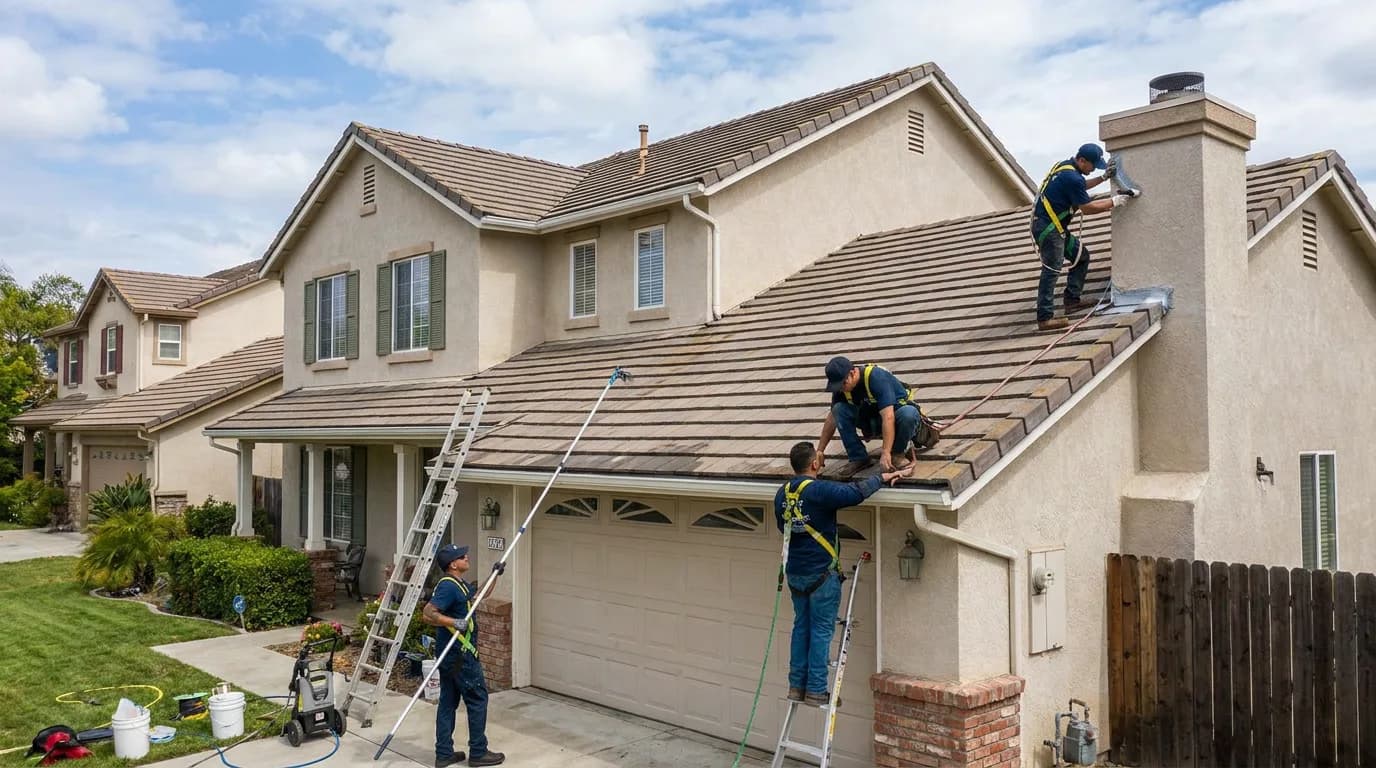
If your claim has been denied or underpaid, Apex Roofing Airdrie can provide a free, independent inspection with dated photos and test-square counts on every slope, attend the re-inspection with your adjuster, and prepare the supporting documentation for an appeal. We are a local Airdrie crew, we do not work on contingency contracts, and we will tell you honestly if we think the adjuster got it right.
Learn more about our roof insurance claim support and our hail damage roof repair service. If the roof is actively leaking while the dispute drags on, we also offer emergency tarping so the damage does not spread. Book a same-week inspection through the contact page and we will take it from there.
Written by the Apex Roofing Airdrie crew
Practical guidance from the local roofers who inspect, repair and replace roofs across Airdrie and Rocky View County every season. We review our guides against current Alberta practice and update them when materials, code or insurer behaviour changes. About our team.