In this guide
- 01What Is a Standing Seam Metal Roof?
- 02Panel Profiles Explained: Snap-Lock vs Mechanical Seam
- 03Materials and Gauges: Steel, Aluminum, Zinc and Copper Options
- 04Standing Seam Metal Roof Cost in Alberta (Cost per Square Foot and Total Job Range)
- 05What Goes Under the Panels: Underlayment, Ice-and-Water Shield, Deck and Ventilation
- 06How Standing Seam Performs Against Alberta Hail, Chinook Wind and Freeze-Thaw
- 07Standing Seam vs Asphalt Shingles vs Exposed-Fastener Metal Roofing
- 08Advantages of Standing Seam Metal Roofing
- 09Disadvantages and Trade-Offs to Weigh
- 10Insurance, Hail Claims and Standing Seam Roofs
- 11Lifespan, Warranty and Maintenance
- 12Is a Standing Seam Metal Roof Worth It for an Alberta Home?
What Is a Standing Seam Metal Roof?
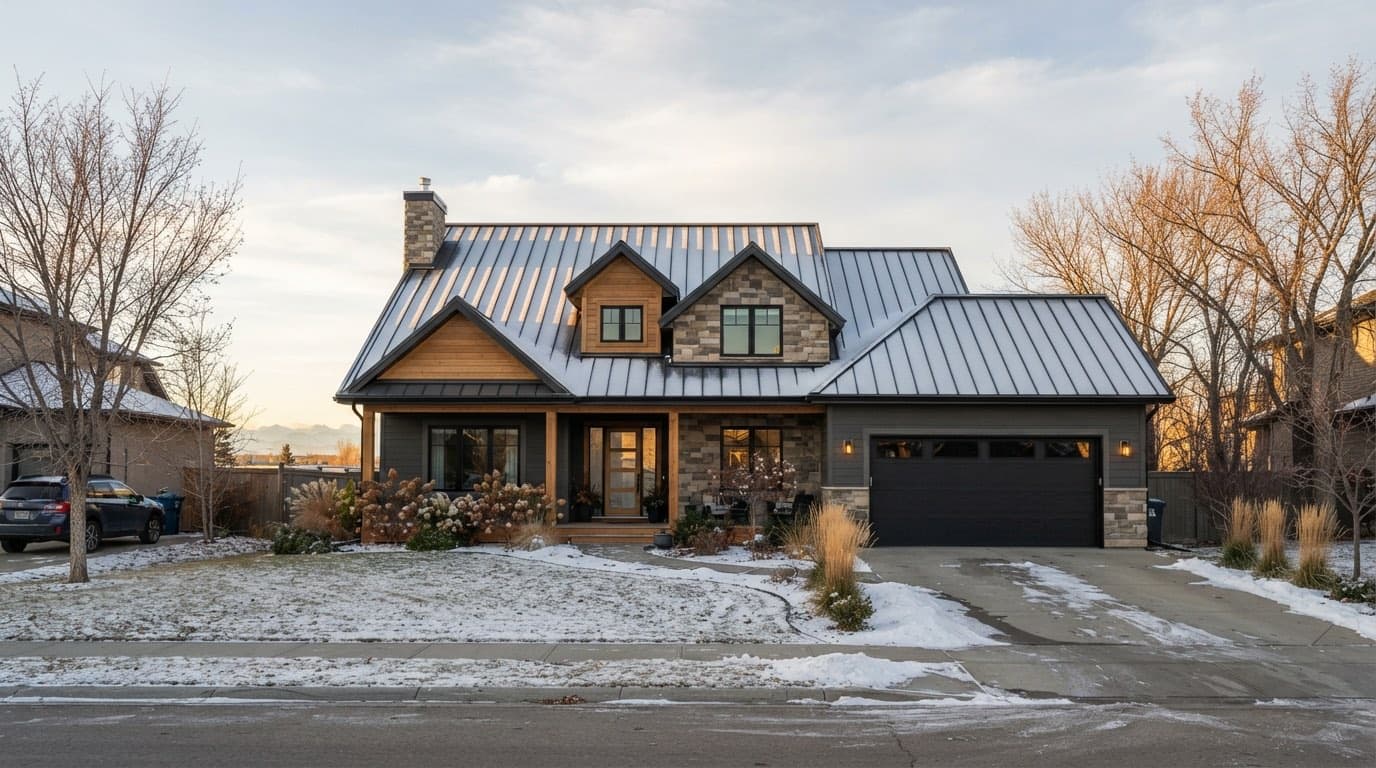
A standing seam metal roof is a roofing system built from long, continuous metal panels that run vertically from the eave to the ridge, joined along raised seams that lock the panels together above the plane of the roof. The seam itself, not a row of screws through the panel face, is what keeps water out. That is the defining feature of the system: no exposed fasteners anywhere in the field of the roof.
Compare that with exposed-fastener metal roofing, sometimes sold as screw-down or corrugated panel roofing, where each panel is screwed directly through its face into the deck or purlins. Those screws carry rubber washers that dry out and fail over a couple of decades, and every one of them is a potential leak point. A standing seam roof avoids that entirely; the panels expand and contract underneath concealed clips while the seam stays weathertight through decades of Alberta temperature swings.
Standing seam roofs have been common on commercial and agricultural buildings across Alberta for a long time, and over the last decade they have moved steadily into residential reroofing, particularly on steeper Airdrie rooflines where snow shedding and long-term durability matter more than the lowest upfront price. If you are weighing this against other systems for your own home, our metal roofing installation service in Airdrie installs standing seam alongside exposed-fastener panels and can walk you through which one actually suits your roof.
Panel Profiles Explained: Snap-Lock vs Mechanical Seam
Metal roof panel profiles fall into two broad families: exposed-fastener and standing seam, and within standing seam there are two seam types that matter far more than most homeowners are told, because they change installed cost, minimum roof pitch and how the roof handles wind.
Snap-lock panels have a male and female edge that click together by hand or with a hand seamer, no powered tool required. They install faster, which lowers labour cost, and they perform well on roofs with at least a 3-in-12 pitch. The trade-off is a slightly less positive seal, so on very low slopes or exposed, high-wind sites the seam can be more prone to capillary water intrusion or gradual separation over time.
Mechanical seam panels use a raw, flat seam edge that a powered seamer rolls over on site into a 90-degree single-lock or 180-degree double-lock fold. That fold clamps the panels together far more tightly than a snap-lock joint, which is why mechanical seam is the standard choice on low-slope roofs and on homes exposed to strong, sustained Chinook gusts, such as open acreages around Crossfield and Balzac. It costs more, in both equipment and labour time, but it is the more forgiving profile when wind uplift is a real concern.
The snap lock vs mechanical seam question ultimately comes down to roof pitch and wind exposure more than personal preference. A double-lock mechanical seam is the toughest of the two mechanical options and is common on commercial work, but it is overkill for most Airdrie homes with a normal 4-in-12 to 8-in-12 pitch, where a well-installed snap-lock panel performs just as well for a lower price. Since seam type, panel width and clip spacing are not interchangeable, they should all be part of the conversation with your installer, and our metal roofing service in Airdrie can spec standing seam panels for your specific pitch and exposure.
Materials and Gauges: Steel, Aluminum, Zinc and Copper Options
The panel profile decides how the seams lock; the base material decides how the roof ages, what it costs and how it holds up in a hailstorm. Four metals show up on Alberta homes, in very different volumes.
Steel, almost always galvalume or galvanized steel with a painted finish, is behind the large majority of residential standing seam roofs installed in Alberta. It is stiff, holds paint well, resists denting better than aluminum at a comparable gauge, and is the most affordable of the four. Most residential steel panels run 24 gauge, occasionally 26 gauge on a budget job, and 24 gauge is the better choice where hail resistance matters.
Aluminum will not rust, which is useful near winter road salt, but it dents more readily than steel of the same thickness because it is a softer metal. On an Airdrie roof facing regular hail, that is a real trade-off, and most local installers steer residential clients toward steel unless there is a specific reason to choose aluminum, such as an unusually corrosive site or a weight restriction on the structure.
Zinc and copper sit at the top of the price range and are chosen mostly for appearance and longevity rather than value. Both develop a natural weathered patina over years, both can be worked into complex roof shapes, and both routinely outlast steel, but the material cost alone can run several times a comparable steel panel. They show up occasionally on high-end custom builds in the area but are rare on a standard residential reroof.
| Material | Typical residential gauge | Dent resistance vs hail | Rough lifespan | Relative material cost |
|---|---|---|---|---|
| Steel (galvalume/galvanized) | 24-26 gauge | Best of the four at a given cost | 40-60 years | Baseline |
| Aluminum | 0.032-0.040 in | Dents more easily than steel | 40-60 years | 1.1-1.3x steel |
| Zinc | 0.7-0.8 mm | Good; patina disguises minor marks | 60-100+ years | 2.5-4x steel |
| Copper | 16-20 oz | Good; patina disguises minor marks | 75-100+ years | 3-6x steel |
For most Airdrie and area homeowners, 24-gauge steel with a good paint finish, such as a Kynar 500 or similar PVDF coating, gives the best combination of hail resistance, cost and long-term colour retention. Our roof types guide for Alberta generally points to this combination when metal is on the table alongside other roof shapes and materials.
Standing Seam Metal Roof Cost in Alberta (Cost per Square Foot and Total Job Range)
Standing seam metal roof cost is the question that stops most homeowners before they get to panel profiles or gauges, so here are the honest numbers. As a rough 2026 Alberta market guide, expect roughly $12 to $22 per square foot installed for a residential standing seam roof, materials and labour included, with steel snap-lock panels at the low end and mechanical seam, aluminum or heavier-gauge panels pushing toward the top.
Translated into a full job on an average Airdrie home, that works out to roughly $22,000 to $48,000 for a typical 1,800 to 2,200 square foot roof area, again as a market guide rather than a quote. Note that roof area is larger than the building footprint on a pitched roof, so measure the actual slope area rather than the house footprint when you sanity-check a quote. Complex rooflines with multiple valleys, dormers and hips cost more per square foot than a simple gable, because standing seam panels are custom cut on site and fewer of them run full-length without a seam or flashing detail.
| Cost driver | Effect on price | Typical range as of 2026 (guide) |
|---|---|---|
| Panel material | Steel cheapest, zinc/copper most expensive | $6-$9/sq ft (steel material) to $18-$30/sq ft (zinc/copper) |
| Panel profile | Mechanical seam costs more than snap-lock | Roughly 10-20% more in labour |
| Roof complexity | Valleys, dormers and hips add flashing and waste | 15-30% over a simple gable roof |
| Tear-off of old roofing | Removing existing shingles adds labour and disposal | $1-$3/sq ft |
| Underlayment upgrade | High-temp synthetic plus full ice-and-water shield | $0.50-$1.50/sq ft |
| Access and pitch | Steep or high roofs need more staging and safety gear | 10-25% premium |
That is two to four times the roughly $4.50 to $7.50 per square foot most homeowners see for a standard asphalt shingle reroof, again as a rough 2026 Alberta market guide, and it is the single biggest reason standing seam is still a minority choice on residential streets. The payoff shows up over decades rather than on the first invoice: fewer reroofs over the life of the house, and a roof doing useful work in a hailstorm rather than losing granules with every hit. Our full metal roof cost breakdown for Alberta sets standing seam pricing side by side with exposed-fastener metal and asphalt shingles if you want the complete comparison.
Total cost of ownership tells a different story than the invoice alone. Spread the installed cost of a standing seam roof over its 40-to-70-year lifespan and the annualized cost is often close to, or lower than, an asphalt shingle roof that gets replaced two or three times over the same period once labour and tear-off are added up each time. Some Airdrie buyers also see a modest resale bump from a documented, recently installed metal roof, though realtors and appraisers vary on how much weight they give it, so treat that as a soft benefit rather than a guaranteed return.
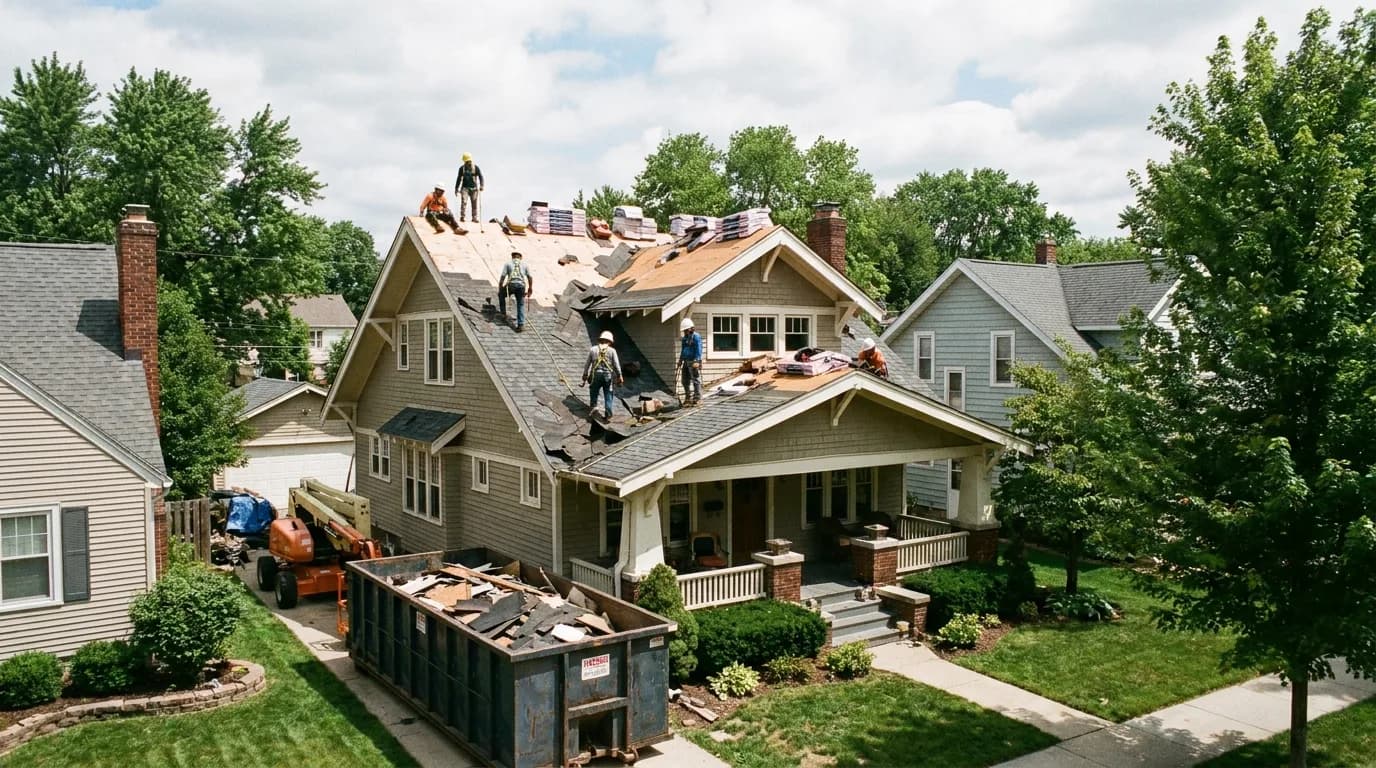
Financing and timing both affect the real cost of the decision. Get at least two itemised written quotes broken down by panel material, gauge, profile and underlayment, not a single lump-sum figure, so you can see exactly what you are paying for. If you are also weighing a straightforward shingle reroof against going to metal, our roof replacement service in Airdrie provides free on-site estimates covering both options side by side.
What Goes Under the Panels: Underlayment, Ice-and-Water Shield, Deck and Ventilation
The panels get the attention, but what sits underneath them decides whether a standing seam metal roof leaks, condensates or fails early, and it is where a lot of budget installs cut corners. A metal roof deck assembly has more layers than most homeowners expect.
A solid wood deck, plywood or OSB in most Alberta construction, is the standard base. On top of that goes a high-temperature synthetic underlayment rated for the heat that can build up under dark-coloured metal panels in direct summer sun; standard felt underlayment is not rated for that and can degrade under the panels within a few years.
Ice-and-water shield, a self-adhering rubberized membrane, belongs at the eaves, in every valley and around every roof penetration, chimney or skylight curb. This is not optional detailing on an Alberta roof: freeze-thaw cycling through the winter pushes meltwater back up under the panel edge repeatedly, and the membrane is what stops that water from reaching the deck. The Alberta Building Code sets minimum requirements for ice-and-water shield at eaves; confirm current requirements with the City of Airdrie or your municipality before finalizing a spec.
A metal reroof is generally treated as a building permit item in Alberta municipalities, and a change from shingles to standing seam can also raise questions about deck condition and structural load at inspection. Confirm permit requirements and inspection stages with the City of Airdrie or your municipality before the job is scheduled, since requirements vary and change.
A ventilation gap, either a vented underlayment mat or battens creating an air channel between the deck and the panels, matters more on metal than on shingles because metal does not absorb any moisture the way an asphalt shingle mat does. Without that airflow, condensation can form on the underside of the panels overnight and drip onto the underlayment, which over years can rot an OSB deck from below even though the roof looks perfectly dry from outside.
Clip spacing and fastener pattern are the last hidden variable. Clips are spaced tighter near the eaves, ridges and roof edges, where wind uplift forces are highest, and the manufacturer's published clip schedule for the specific wind zone should be followed exactly rather than a generic spacing used on every job. This is the detail that separates a standing seam metal roof that survives a Chinook windstorm from one that does not.
How Standing Seam Performs Against Alberta Hail, Chinook Wind and Freeze-Thaw
Airdrie sits in what insurers and meteorologists call Hailstorm Alley, and any roofing material sold here eventually has to answer the hail question directly. Standing seam metal handles a hail impact very differently from an asphalt shingle. A shingle absorbs the impact by losing granules and, in a hard enough hit, cracking or splitting the mat underneath; a steel panel absorbs it by deforming slightly at the point of impact, which can leave a visible dent without breaking the panel's weatherproofing.
That distinction matters for what happens after a storm. A dented standing seam panel is almost always still watertight; the seam and the panel's structural integrity are rarely compromised by hail short of an extreme event. The issue is cosmetic and, for insurance purposes, a matter of matching and depreciation rather than an active leak. A heavily granule-stripped shingle roof, by contrast, is often losing real weather protection, not just its looks.
Panel gauge and material change how visible the denting is on a standing seam roof Alberta homeowners keep for decades, which is why steel rather than aluminum is the usual choice in hail country. A 24-gauge steel panel with a stone-coated or textured finish shows hail marks far less than a smooth 26-gauge panel or a soft aluminum panel of the same thickness, because the texture and the extra rigidity both disguise minor deformation.
Chinook wind is the other Alberta-specific stress that most standing seam marketing never mentions. Airdrie can swing from minus 20 to plus 10 within a day when a Chinook arrives, and that swing happens dozens of times each winter. Metal panels expand and contract more than shingles do across that range, and the whole system, from clip spacing to seam type to expansion-joint detailing on long panel runs, has to accommodate that movement without the seams working loose. Mechanical seam panels generally tolerate this better than snap-lock on long, exposed runs because the fold physically clamps the panels rather than relying on a snap fit.
The Aug 8 2026 Crossfield-Airdrie hailstorm, which brought quarter-sized hail and heavy wind through the area, is a useful reference point for how the two materials differ under the same hail: a steel panel is engineered to deform at the point of impact while an asphalt shingle absorbs the hit by losing granules or splitting its mat, so the post-storm question on a metal roof is usually whether a dent is cosmetic or has affected a seam, and on a shingle roof it is usually whether weather protection has been lost. Every storm and every roof is different, and any roof, metal or shingle, is worth a professional look after hail of that size.
Standing seam metal roof installation timing matters too. The work is typically done spring through fall in Alberta; sealants, adhesive-backed membranes and even the metal itself behave differently below about minus 10, and a rushed winter install on a tight schedule is where callback problems tend to start. If your reroof is being scheduled late in the season, ask your installer directly how they handle cold-weather sealant cure times and clip fastening in freezing conditions, and read our comparison of metal roofing against asphalt shingles for more on how each material handles an Alberta storm cycle end to end.
Standing Seam vs Asphalt Shingles vs Exposed-Fastener Metal Roofing
Three systems compete for most Alberta reroofs, and each answers a different priority. The table below lines them up on the factors that actually change a homeowner's decision, using rough 2026 Alberta figures as a market guide.
| Factor | Standing seam metal | Asphalt shingles | Exposed-fastener metal |
|---|---|---|---|
| Rough installed cost (per sq ft, 2026 guide) | $12-$22 | $4.50-$7.50 | $6-$10 |
| Typical lifespan | 40-70 years | 15-25 years (Class 4 impact-resistant included) | 30-45 years |
| Hail behaviour | Dents cosmetically, rarely leaks | Loses granules, cracks, can leak | Dents; screws are the weak point over time |
| Snow shedding | Sheds fast; needs snow guards over entries | Holds snow; ice dams more common | Sheds fast; needs snow guards |
| Exposed fasteners | None | Not applicable (nailed under tabs) | Yes, every few feet; need periodic re-torquing |
| Best fit | Long-term owners, steep pitches, hail-prone exposure | Most budgets, complex rooflines, resale-focused sellers | Acreages, shops, budget-conscious metal buyers |
Asphalt shingles remain the default across Airdrie because the upfront cost is a fraction of either metal option and a good Class 4 impact-resistant shingle now handles Alberta hail respectably; our pillar guide to the best shingles for the Alberta climate covers exactly which grades hold up. Where shingles lose is lifespan and repeat cost: most homeowners will reroof with shingles two or three times over the years a single standing seam roof lasts.
Exposed-fastener metal sits between the two on price and roughly matches standing seam on snow shedding, but the screws through the panel face are the weak point. Every fastener has a rubber washer that ages, shrinks and eventually leaks, typically starting somewhere between year 15 and year 25, so exposed-fastener roofs usually need a fastener re-torque or replacement partway through their life. Standing seam avoids that maintenance item entirely because nothing penetrates the panel face in the field of the roof. Our roof types guide for Alberta walks through shapes and materials together rather than material alone, if you want the fuller picture.
Advantages of Standing Seam Metal Roofing
Set against shingles and exposed-fastener metal, standing seam earns its premium in a specific set of ways rather than across the board, and it is worth being clear about exactly where the value sits.
- No exposed fasteners to fail. The seam, not a screw and washer, keeps water out, removing the single most common failure point on other metal systems.
- Long service life. 40 to 70 years is realistic with the right material and installation, well beyond even a premium asphalt shingle.
- Strong hail performance. Panels dent rather than crack or lose granules, and a dent rarely compromises the weatherproofing.
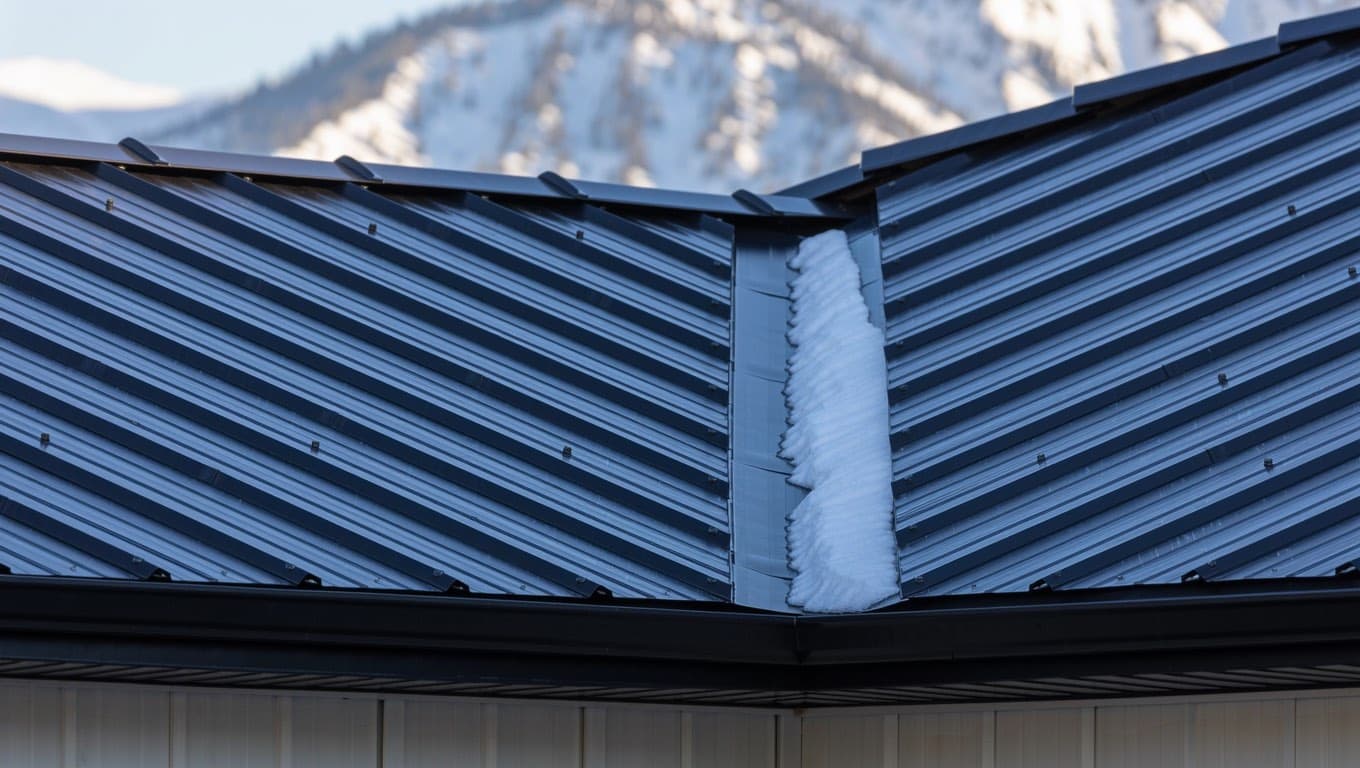
- Excellent snow and ice shedding. Snow slides off a steep standing seam roof quickly, which reduces roof load and the conditions that cause ice damming.
- Low ongoing maintenance. No granules to lose and no exposed fasteners to re-torque; periodic visual inspection is usually all that is needed.
- Energy performance. A reflective or light-coloured finish reduces summer attic heat gain compared with a dark asphalt roof.
- Fire resistance. Steel, aluminum, zinc and copper are all non-combustible, which some insurers factor into premiums; confirm with your insurer or broker.
The snow-shedding advantage deserves its own caveat, because it creates a secondary need most first-time buyers do not anticipate: snow and ice come off a steep metal roof in sudden sheets rather than melting gradually the way it does off shingles. That is genuinely good for the roof and can be a problem for anything standing underneath it, which is where the next section picks up.
Disadvantages and Trade-Offs to Weigh
Standing seam is not the right answer for every home or every budget, and a fair guide has to say so plainly. The trade-offs cluster around four areas.
Upfront cost is the obvious one. At two to four times the price of asphalt shingles, the payback only makes financial sense if you plan to stay in the home long enough to benefit from the extended lifespan, or if avoiding repeat reroofs and hail-related shingle replacement matters more to you than the initial invoice.
Re-roofing over existing shingles is another limitation worth knowing before you budget. Standing seam almost always needs a clean, solid deck, either a full tear-off of the old shingles or a layer of furring strips and new sheathing over them, rather than the direct overlay some shingle-to-shingle reroofs allow. That adds a tear-off or prep cost to the project that homeowners comparing a single per-square-foot number against a shingle quote sometimes miss.
Snow and ice shedding, the advantage from the last section, is also a liability. A sheet of snow or ice releasing without warning from a steep standing seam roof can damage anything below it: a parked vehicle, a deck railing, an air conditioning unit, or a person walking past at the wrong moment. Any standing seam roof over an entry door, walkway, deck or driveway needs snow guards or snow fencing to break up and slow that release, and our guide to snow guards for metal roofs covers the types, placement and cost of getting that right.
Noise and expansion are one myth and one real issue worth separating. Rain noise on a modern standing seam roof with a solid deck and proper underlayment is not materially louder than on shingles; that reputation comes from older barn-style panel-on-purlin installations with no deck underneath. Thermal expansion and contraction, on the other hand, is real: long panel runs need expansion-tolerant clips or expansion joints, and a poorly detailed long run can develop oil-canning, a rippled or wavy look in the flat part of the panel, which is cosmetic but can bother homeowners who chose metal partly for its clean lines.
Finally, repairs and colour matching are harder than with shingles. A damaged section of standing seam roof usually needs a full panel replaced edge to edge rather than a patch, and if the original panel colour or profile is no longer available, even a well-matched repair can be visible from the ground. That is worth understanding before a hailstorm forces the question, not after.
Insurance, Hail Claims and Standing Seam Roofs
Filing a hail claim on a standing seam metal roof works differently in practice than filing one on shingles, even though the policy language is usually similar. Adjusters assessing a dented metal roof are typically looking for functional damage, meaning a compromised seam or a puncture, rather than the cosmetic dents themselves, and some policies treat purely cosmetic denting as excluded or handled separately from functional hail damage. Confirm exactly how your policy defines and covers cosmetic versus functional metal roof damage with your insurer or broker before assuming a claim will proceed the same way it would on a shingle roof.
Actual cash value (ACV) versus replacement cost value (RCV) matters more on a standing seam roof than on almost any other building component, because the material depreciates slowly while installed cost is high. An older standing seam roof settled on an ACV basis can leave a significant gap between the depreciated payout and the real cost of matching panels, especially if the manufacturer has discontinued the original profile or colour. Check whether your policy carries an RCV endorsement on the roof specifically, not just on the dwelling generally.
Your deductible does more work on a metal roof claim than on a shingle claim, because the repair scope is often one or two full panel runs rather than a partial slope, and a claim that only clears the deductible by a small margin can cost more in future premium than it returns. Check your current deductible and how it applies to roof-specific claims with your insurer or broker before filing.
Panel matching is the other Alberta-specific headache. Standing seam panels are typically ordered in a specific colour, gauge and profile from a specific manufacturer, and if only one slope was damaged, insurers and contractors sometimes disagree over whether the whole roof needs to be replaced to keep a uniform appearance or whether one slope can be redone in a close but not identical match. This is worth raising directly with your adjuster early in the claim rather than after a partial repair has already been approved.
Documentation at installation time makes any future claim easier. Keep the invoice showing the exact manufacturer, colour code, gauge and profile of the panels installed, along with a few dated photos of the roof in good condition. If a hailstorm hits five or ten years later, that record is what lets an adjuster or a contractor source a genuine match instead of guessing at a discontinued colour from a faded panel.
A written, itemised estimate that separates panel material, underlayment, flashing and labour gives an adjuster far less room to shortcut the scope of a claim than a single lump-sum number does. Our roof insurance claim support in Airdrie documents hail and wind damage on metal roofs specifically for this reason, with photographs, measurements and an itemised scope that stands up to adjuster review.
Lifespan, Warranty and Maintenance
A well-installed steel standing seam metal roof commonly reaches 40 to 60 years, aluminum sits in a similar range, and zinc or copper routinely push past 75 years. That range depends heavily on the paint or coating system: a premium PVDF (Kynar 500-type) finish holds its colour and chalk resistance far longer than a basic polyester coating, which can fade and chalk visibly within 15 to 20 years even though the steel underneath is structurally fine.
Warranties on standing seam roofs are typically split into two separate documents that homeowners often conflate. A paint or finish warranty, commonly 30 to 40 years on a premium coating, covers fading, chalking and peeling of the surface finish. A separate weathertightness or substrate warranty from the manufacturer, and a workmanship warranty from your installer, cover leaks and installation defects, and these are usually shorter, in the range of 20 to 30 years for the substrate and considerably less for workmanship. Read all three before assuming "lifetime" means the whole system for the whole stated period.
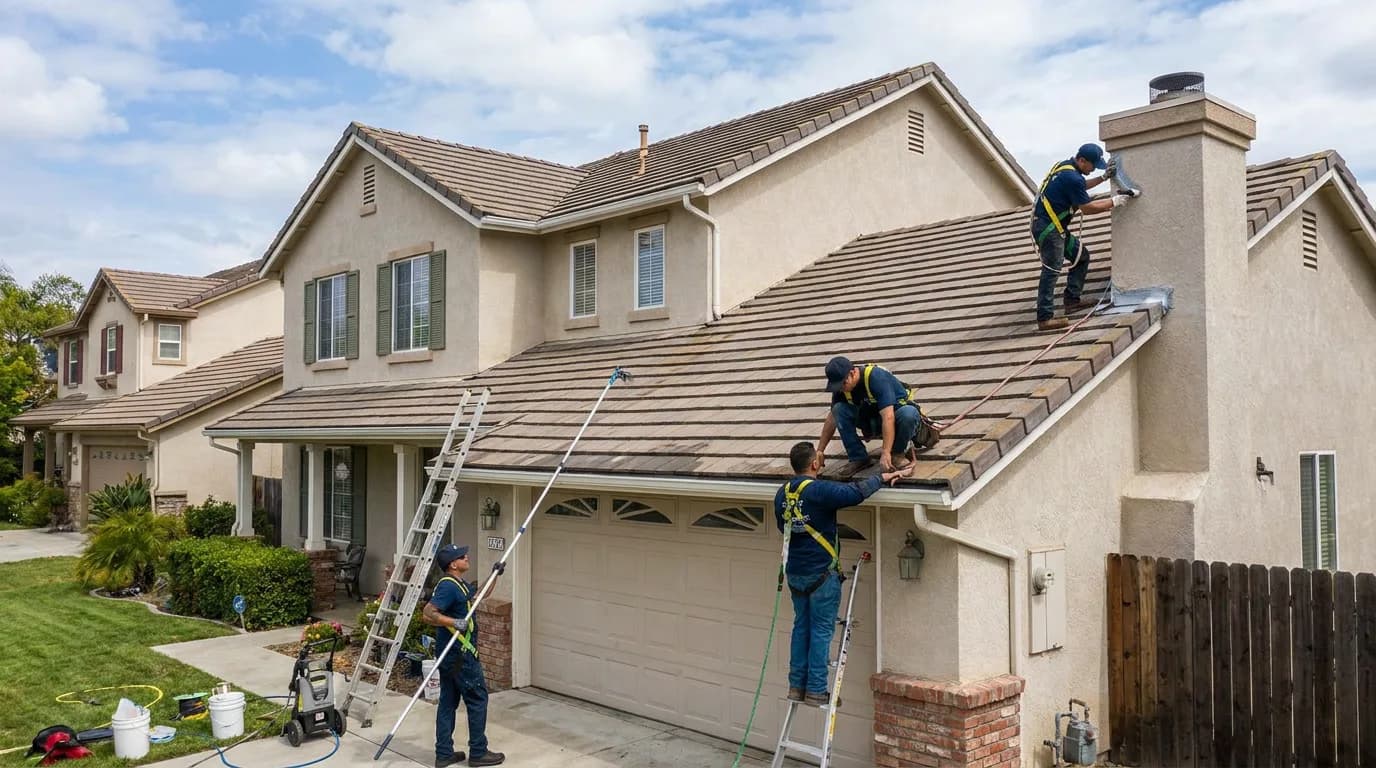
Maintenance is genuinely light compared with shingles. A twice-yearly visual check for loose clips, debris buildup in valleys, sealant condition around penetrations and any scuffing near where ladders or foot traffic have touched the panels covers most of it. Walking directly on standing seam panels should be done carefully and only over the ribs where the material is supported, since foot traffic in the flat panel field can dent the panel or crease the coating.
Keeping the roof clear of built-up debris in valleys and around chimneys prevents the one real long-term threat to a metal roof: trapped organic matter holding moisture against the panel or underlayment long enough to eventually cause corrosion at a seam or fastener. Folding a metal roof check into a broader annual look at the whole building envelope, rather than treating it as maintenance-free forever, is what actually gets a standing seam roof to the top end of its lifespan range.
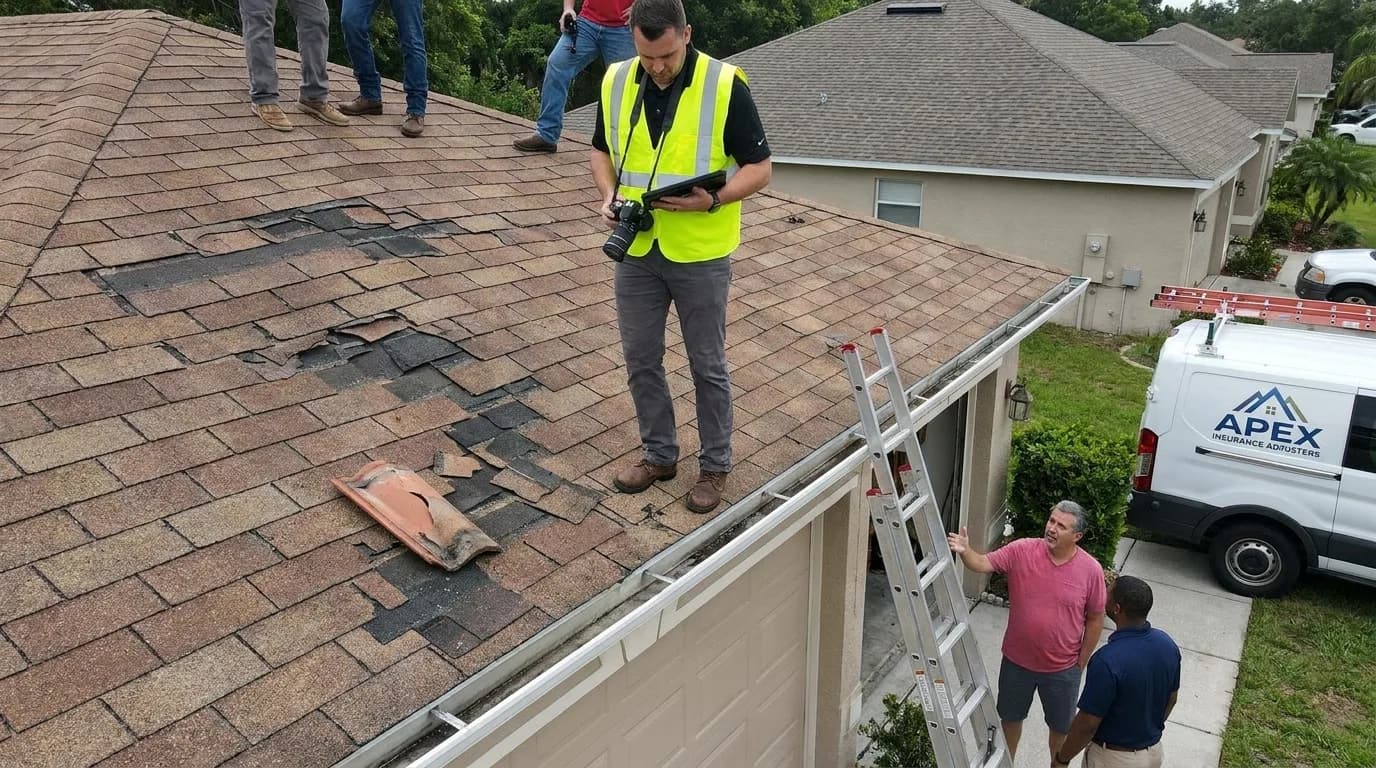
After any hailstorm large enough to dent siding, vehicles or eavestroughs in your neighbourhood, it is worth having a standing seam metal roof looked at even though the material rarely leaks from hail. A quick check confirms whether the damage is purely cosmetic or has affected a seam, a penetration flashing or a fastener, and it puts a dated record on file in case a future storm compounds the damage or a claim becomes worthwhile.
Is a Standing Seam Metal Roof Worth It for an Alberta Home?
For a homeowner planning to stay put for 15 years or more, in a hail-prone area like Airdrie, on a roof steep enough to shed snow well, a standing seam metal roof is a genuinely strong long-term choice. The higher upfront cost buys decades most homeowners would otherwise spend on two or three separate shingle reroofs, plus a material that survives hail cosmetically rather than structurally.
For a homeowner selling within five to ten years, working with a tight renovation budget, or dealing with a complex, heavily cut-up roofline where custom panel fabrication adds significant cost, a Class 4 impact-resistant asphalt shingle or exposed-fastener metal roof is often the more sensible answer, and there is no shame in that math. The right material is the one that matches how long you plan to own the house and what you value, not the one with the longest theoretical lifespan on paper.
If you are weighing standing seam against the alternatives for your specific roof, a free, no-obligation on-site estimate from Apex Roofing Airdrie gives you real numbers for your actual roofline, not a generic per-square-foot range. We provide an itemised written quote covering panel material, profile, underlayment and labour separately, so you can see exactly what you would be paying for before you decide, through our roof replacement service in Airdrie.
Written by the Apex Roofing Airdrie crew
Practical guidance from the local roofers who inspect, repair and replace roofs across Airdrie and Rocky View County every season. We review our guides against current Alberta practice and update them when materials, code or insurer behaviour changes. About our team.