In this guide
- 01Choosing Roof Shingle Colours for an Airdrie or Calgary Home
- 02Shingle Colour Families: Browns, Greys, Blacks, Blends and Bold Tones
- 03Should Your Roof Be Darker or Lighter Than Your House
- 04Matching Shingle Colour to Brick, Stone and Siding
- 05Dark vs Light Shingles: Heat, Snow Melt and Alberta's Chinook Climate
- 06Shingle Colour, Hail Visibility and Your Insurance Claim
- 07Local Availability, Lead Times and Special-Order Costs
- 08Algae Resistance on Shaded and North-Facing Slopes
- 09The Best Shingle Colour for Resale Value
- 10Popular Shingle Colours and Where 2026 Trends Are Heading
- 11Common Mistakes and How to Preview a Colour Before You Commit
- 12Get Your Roof Shingle Colours Confirmed With a Free On-Site Estimate
Choosing Roof Shingle Colours for an Airdrie or Calgary Home
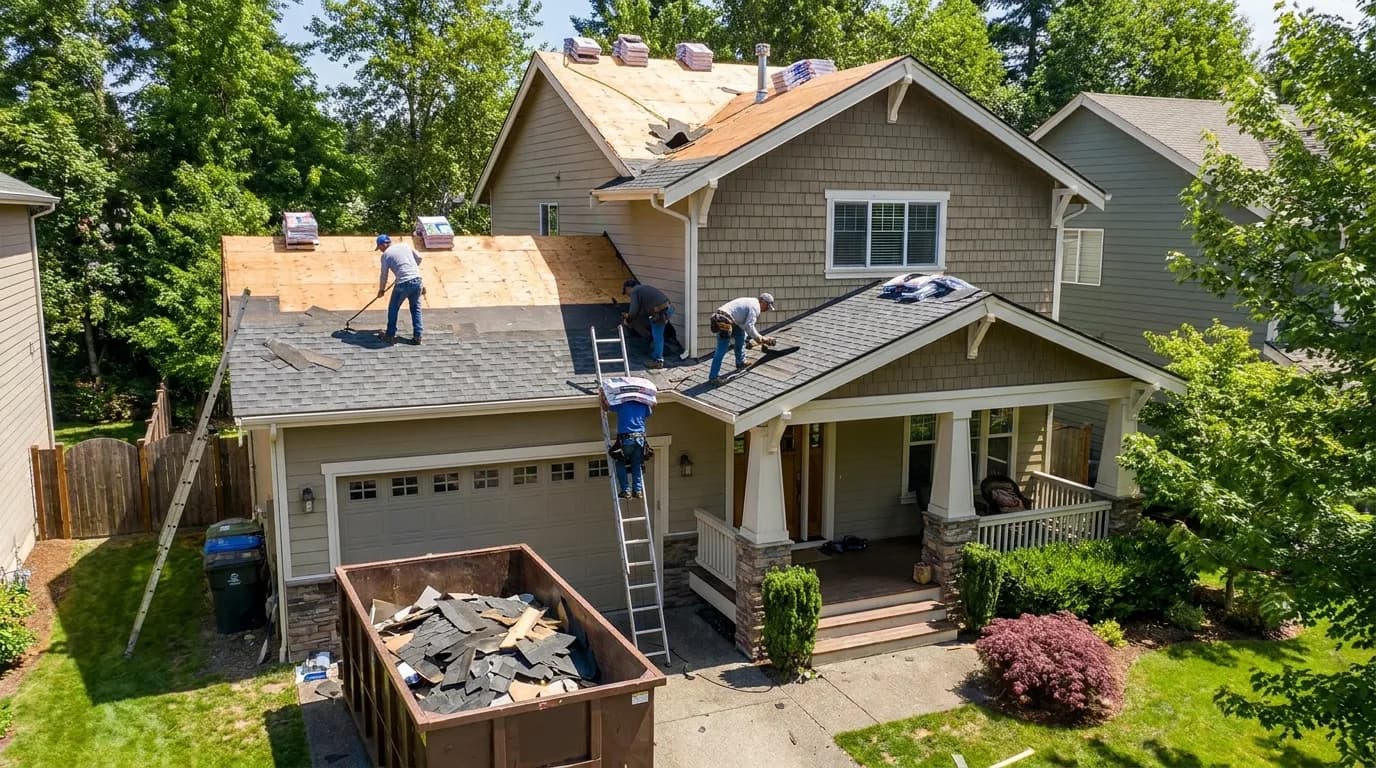
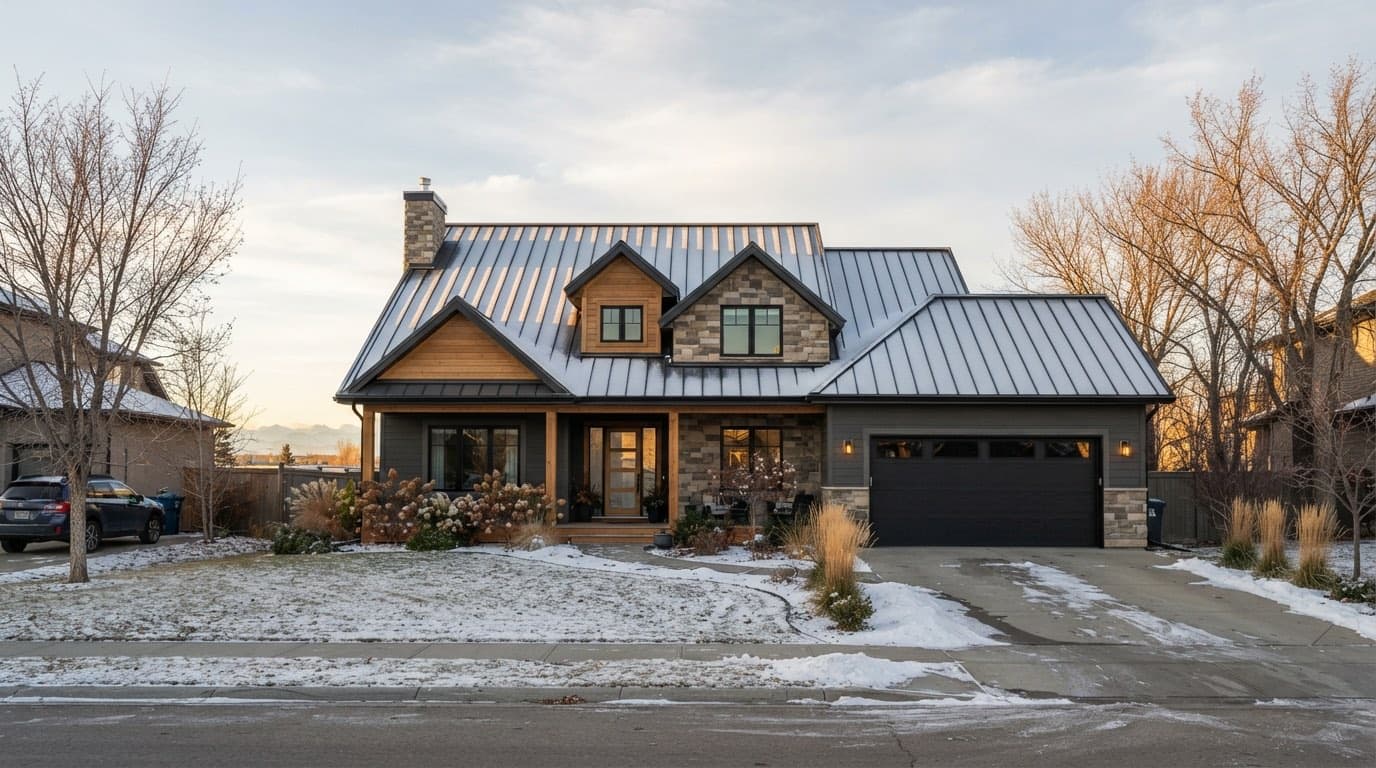
Roof shingle colours are one of the few genuinely permanent choices in a reroof. Paint changes in a weekend and siding can be swapped out in a season, but a shingle stays on the house for 20 to 30-plus years, so the colour you pick now is the colour your home wears through every Chinook, hailstorm and long prairie summer for decades. That is worth more thought than most homeowners give it at the sample-board stage.
Four things drive a good decision: the fixed tones you cannot change, such as brick, stone or stucco, the palette your neighbourhood already leans toward, how the colour affects resale down the line, and how dark or light shades behave under Alberta's specific heat and snow-melt patterns. Get those four right and almost any manufacturer's colour chart will have an option that works for your home.
This guide walks through each of those factors for Airdrie and Calgary-area homes, including a colour-matching table for common Alberta brick and siding tones, the honest tradeoffs of dark versus light shingles in a Chinook climate, and what happens to your colour choice if you ever need a roof insurance claim after hail. For the durability side of the decision, our guide to the best shingles for Alberta's climate covers wind and impact rating in more depth.
Shingle Colour Families: Browns, Greys, Blacks, Blends and Bold Tones
Most asphalt shingle lines sold in Canada split into five broad colour families, and nearly every specific product name on a sample board fits into one of them once you look past the marketing name.
| Colour family | Typical shades | Works well with |
|---|---|---|
| Browns | Weathered wood, chestnut, driftwood | Beige stucco, tan brick, warm-toned siding |
| Greys | Pewter, slate, dove grey | Grey stucco, white or grey siding, stone accents |
| Blacks | Estate black, onyx | Modern white, black or dark-trim exteriors |
| Blends | Multi-tone brown-grey mixes | Almost any exterior; hides streaking and wear |
| Bold tones | Terra cotta, forest green, blue-black | Statement or heritage-style homes |
If you are short on roof colour ideas, a blended brown-grey such as a Cambridge or Driftwood-style shade from IKO, GAF or BP Canada is usually the safest starting point. Blends read as neutral against nearly any brick or siding colour, and because they already contain several tones, they hide granule wear, dirt streaking and minor hail bruising far better than a single flat shade does.
Should Your Roof Be Darker or Lighter Than Your House
The classic rule of thumb is to make the roof one to two shades darker than the main body colour of the house, with trim and window frames used to bridge the two. A dark roof over a light-coloured exterior reads as grounded and intentional; a light roof over a dark exterior can look washed out and often shows dirt and streaking sooner.
There are sensible exceptions. Homes with white or light grey siding and dark window trim can carry a mid-grey or even a lighter blend without looking mismatched, since the trim already supplies the contrast the roof would otherwise need to provide. Brick homes with strong red or orange tones almost always look better under a brown or dark charcoal roof than under a cool grey one, because the undertones clash rather than complement each other.
This is also where roof shingle colours either read as an intentional design choice or as an afterthought. Standing across the street and looking at the whole facade, roof included, tells you more than staring at a paint chip next to a shingle sample ever will.
Matching Shingle Colour to Brick, Stone and Siding
Matching shingle colour with brick, stone or stucco is easier once you sort your home's exterior into one of the combinations most common across Airdrie and Calgary subdivisions.
| Exterior colour | Common in | Shingle colours that usually work |
|---|---|---|
| Beige or tan stucco | Older Airdrie subdivisions from the 1990s to 2010s | Weathered wood, driftwood, warm brown blends |
| Grey stucco | Newer Airdrie and Calgary builds | Pewter, slate grey, cool grey blends |
| Red or orange brick | Established Calgary neighbourhoods | Weathered wood, brownstone, dark charcoal |
| Grey or buff brick | Newer infill and estate-style homes | Slate, pewter, black blends |
| Vinyl or Hardie siding | Widespread across Airdrie | Depends on siding undertone, see below |
When it comes to roof colour matching siding, the rule is less strict than with brick or stone because siding itself is easier to update later. The main thing to avoid is a warm-toned brown roof over cool blue-grey siding, or a cool black-grey roof over warm beige siding; the undertones fight each other even when each colour looks fine on its own swatch.
If you are planning to repaint or replace siding around the same time as a reroof, coordinate the two decisions rather than making one after the other. Ordering a shingle first and discovering months later that it clashes with a new siding order is a common and avoidable regret; our siding repair and replacement service in Airdrie can help plan both changes together during the same estimate visit.
Dark vs Light Shingles: Heat, Snow Melt and Alberta's Chinook Climate
The dark vs light shingles question comes down to two effects pulling in opposite directions under Alberta's particular climate. Dark shingles absorb more solar heat, which means a hotter roof deck and attic surface during Alberta's intense, high-altitude summer sun, and it also means faster surface snow melt in winter. Light shingles reflect more heat, stay cooler in summer, and melt snow more slowly.
Faster snow melt sounds like an advantage until you consider where that meltwater goes. On a dark roof during a Chinook, snow on the upper slopes melts quickly while the unheated overhang at the eaves stays cold, so meltwater can refreeze right at the edge and feed the same ice-dam cycle that forms on any roof with poor attic insulation. A lighter shingle melts more evenly and slowly, which can reduce this effect slightly, though attic ventilation and insulation still matter far more than shingle colour for ice dams.
Understanding how roof shingle colours behave under repeated Chinook freeze-thaw cycles matters more here than in milder climates. Alberta's UV exposure is stronger at altitude, and darker colours, especially solid black, show visible fading over 15 to 20 years faster than mid-tone blends, which are engineered with multiple granule shades specifically to hide that gradual colour shift.
Shingle Colour, Hail Visibility and Your Insurance Claim
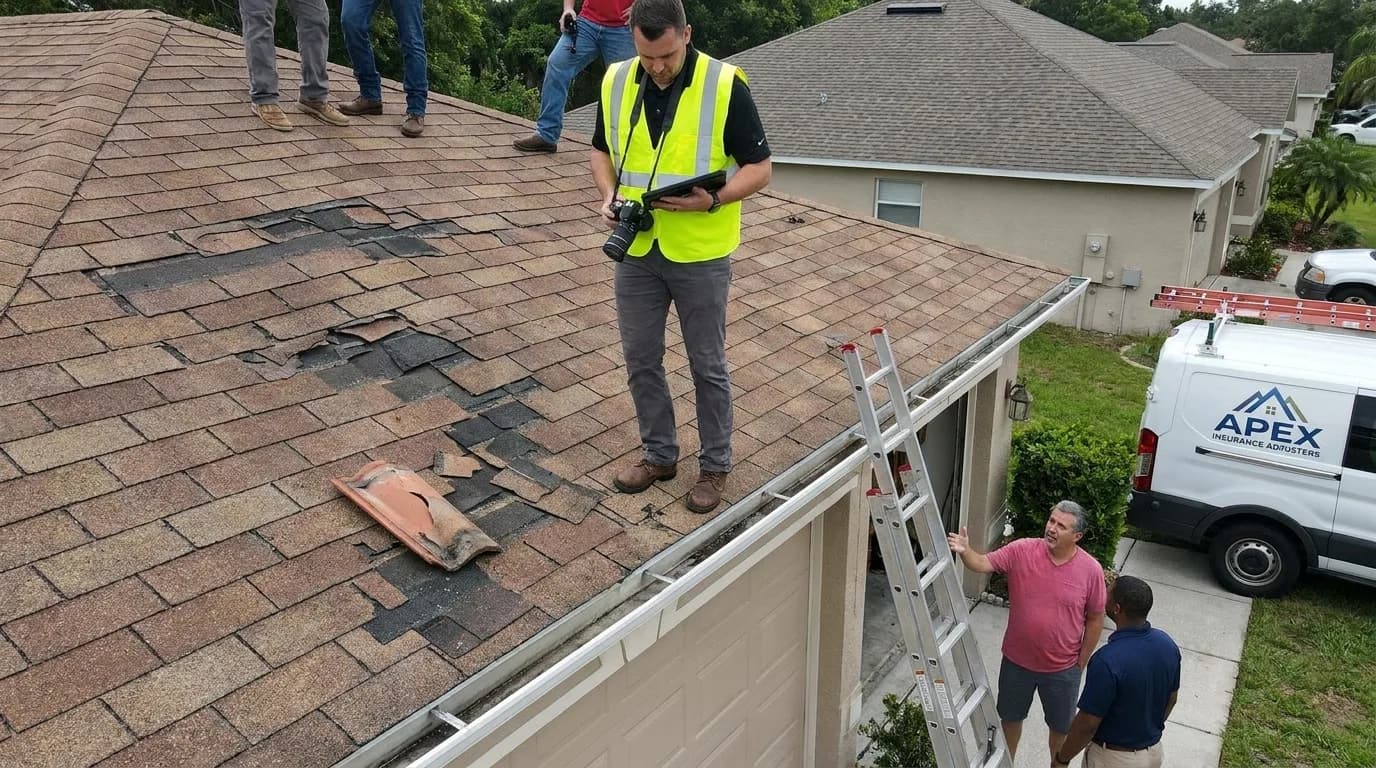
Choosing roof shingle colours also means thinking about what happens after a hailstorm, since Airdrie sits in Alberta's Hailstorm Alley and most roofs here take at least one significant hail hit over their lifespan. Hail bruises show up as scattered dark or light circular spots where granules have been knocked loose, exposing the black asphalt mat underneath.
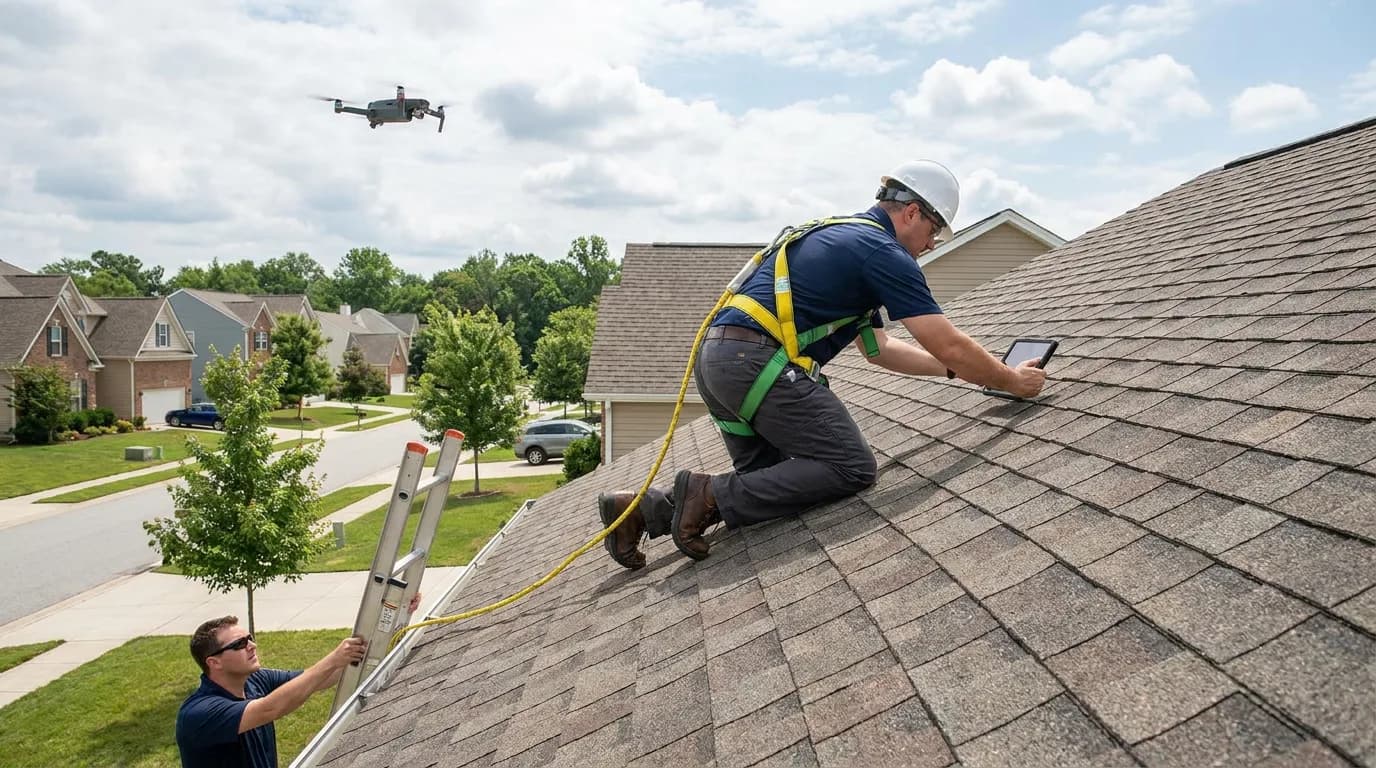
On lighter shingles, such as pale greys or light blends, these bruises stand out sharply against the surrounding surface and are easier for both homeowners and adjusters to spot from the ground during a roof insurance claim inspection. On darker or busier multi-tone blends, the same damage can be harder to see without climbing the roof, which is one reason a proper inspection walks the slopes rather than relying on binoculars from the driveway.
Colour also affects repairs. When a claim covers only one slope or a partial section rather than the whole roof, matching the exact original shingle depends on whether that colour is still in production. A mismatched slope after a partial repair is one of the more common complaints homeowners raise with adjusters, so confirm with your insurer or broker whether your policy supports a full-slope or full-roof replacement when an exact colour match is not available.
Local Availability, Lead Times and Special-Order Costs
Standard colours from the big manufacturers, weathered wood, pewter grey, charcoal and driftwood among them, are stocked at most Alberta and Prairie distribution yards and typically ship within days of ordering. Less common colours, deep reds, blues, greens or older discontinued blends, often need a special order run from the manufacturer's plant, which can add weeks to a project timeline.
That delay matters most during the busy weeks after a significant hailstorm, when every roofing crew across Hailstorm Alley is ordering material from the same limited pool of suppliers at once. As a rough 2026 Alberta market guide, expect a modest per-square premium for an uncommon or discontinued colour compared with a mainline stocked shade, though the exact figure varies by supplier and should be confirmed at quote time rather than assumed in advance.
Because a future repair depends on being able to match the same colour years down the road, picking a shade the manufacturer has kept in steady production for a decade or more is a safer long-term bet than a colour launched last season. Our guide comparing IKO, GAF and BP shingles in Canada breaks down which product lines each brand tends to keep in long-term production versus which colours rotate out over time.
Algae Resistance on Shaded and North-Facing Slopes
North-facing slopes and roofs shaded by mature trees or a neighbouring two-storey stay damp longer through Alberta's freeze-thaw cycles, which is exactly the environment blue-green algae needs to establish itself. Algae shows up as dark streaking that homeowners often mistake for soot, aging or a dirty roof rather than what it actually is.
Most manufacturer lines now include algae-resistant granules, typically copper-infused, as a standard feature on mid-to-premium products, though it is worth confirming a boutique or special-order colour still includes them rather than assuming it does. Darker shingles hide early-stage streaking longer than pale greys or whites, which is one more practical reason mid-tone blends remain the most forgiving choice for a shaded north elevation.
The Best Shingle Colour for Resale Value
Realtors and appraisers rarely list roof colour as a line item on a listing sheet, but a neutral, well-maintained roof helps a home's curb appeal and avoids the kind of conversation that can add a few extra days on market. For resale, sticking with roof shingle colours already common in your immediate neighbourhood is the safest move.
Brown and grey blends remain the best shingle colour for resale in most Alberta subdivisions, since they suit the widest range of future owners' taste and any exterior updates a buyer might make later. Very bold or dated tones, bright green, blue-black or terracotta among them, narrow the buyer pool even if the current owner loves them, simply because fewer people can picture themselves living under that colour long term.
Popular Shingle Colours and Where 2026 Trends Are Heading
Multi-tone blends that mimic wood shake or natural slate continue to gain ground over flat, single-tone colours, largely because they hide streaking, wear and minor hail damage better over a 20-plus-year lifespan. Cooler charcoal and graphite shades are edging out pure black on many new Alberta builds, and warm driftwood and weathered wood browns remain a steady favourite on the stucco-heavy subdivisions common across Airdrie.
Our guide to types of roof shingles explains how colour selection differs between 3-tab, architectural and Class 4 impact-resistant lines, since not every colour is available in every shingle grade. Premium impact-resistant products, covered in our guide to Class 4 impact-resistant shingles in Alberta, sometimes carry a narrower colour range than a standard architectural line, so it is worth checking availability before settling on a shade. For homeowners who want something less common than the big three brands' standard charcoal, the blended colourways reviewed in our Malarkey shingles review for Canada are worth a look.
Common Mistakes and How to Preview a Colour Before You Commit
A few mistakes come up again and again when homeowners pick roof shingle colours, and most of them are easy to avoid with a little patience before signing the order.
- Judging a colour from a small paper swatch indoors under artificial light, which looks nothing like the same shingle in full sun or shade.
- Ignoring the roof's actual sun exposure; a south-facing slope under Alberta's strong summer sun reads lighter and warmer than the same shingle on a shaded north slope.
- Picking a colour that clashes with a black asphalt driveway, dark window frames or an eavestrough colour that is not being replaced at the same time.
- Choosing a brand-new or boutique colour with no track record for fading, algae resistance or long-term availability.
- Skipping a check with the community association or the City of Airdrie, since some Alberta subdivisions have exterior colour or aesthetic guidelines worth confirming first.
- Ordering from a photo or website render instead of asking to see a full-size sample panel against your own home.
Before committing, ask your roofer for a full-size sample panel, prop it against several elevations of your home, and look at it in the morning, at midday and again in the evening, since shingle colours shift noticeably with the angle and colour of the light. If your subdivision has a community association or architectural guideline, confirm any colour restrictions with the City of Airdrie or your community association before finalizing the order, since a rejected colour after installation is an expensive mistake to fix.
A sample panel held vertically at ground level looks different from the same shingle lying flat on a sloped roof catching direct sun, so where possible, prop the sample at an angle that approximates your own roof pitch rather than judging it standing up against a wall. Hold the sample beside the eavestrough, fascia and driveway that are staying in place, since those fixed elements need to work with the new colour even though none of them are being replaced as part of the reroof.
Get Your Roof Shingle Colours Confirmed With a Free On-Site Estimate
Picking roof shingle colours does not have to be a guessing game done from a brochure at the kitchen table. A free, no-obligation on-site estimate from Apex Roofing Airdrie includes bringing full-size sample colours to your home so you can see them against your actual brick, stucco or siding in daylight, alongside an itemised written quote for your roof replacement with no pressure to decide on the spot.
Our in-house crew, not a rotating cast of subcontractors, installs whatever colour you land on and backs the workmanship with a written guarantee on top of the manufacturer's warranty. If a hailstorm has already made the colour decision for you by damaging part of your roof, we also handle the insurance documentation so the replacement, and the colour that comes with it, goes as smoothly as possible.
Written by the Apex Roofing Airdrie crew
Practical guidance from the local roofers who inspect, repair and replace roofs across Airdrie and Rocky View County every season. We review our guides against current Alberta practice and update them when materials, code or insurer behaviour changes. About our team.