In this guide
- 01Roof financing options in Alberta: start with insurance
- 02Insurance-covered roof replacement: how the money flows
- 03HELOC for a roof: usually the cheapest borrowed money
- 04Personal loans and unsecured lines of credit
- 05Contractor financing: what to ask
- 06Grants and rebates: what actually applies to roofing
- 07Paying cash and timing the job
- 08Comparing the options side by side
- 09Getting a written quote before you borrow
Roof financing options in Alberta: start with insurance
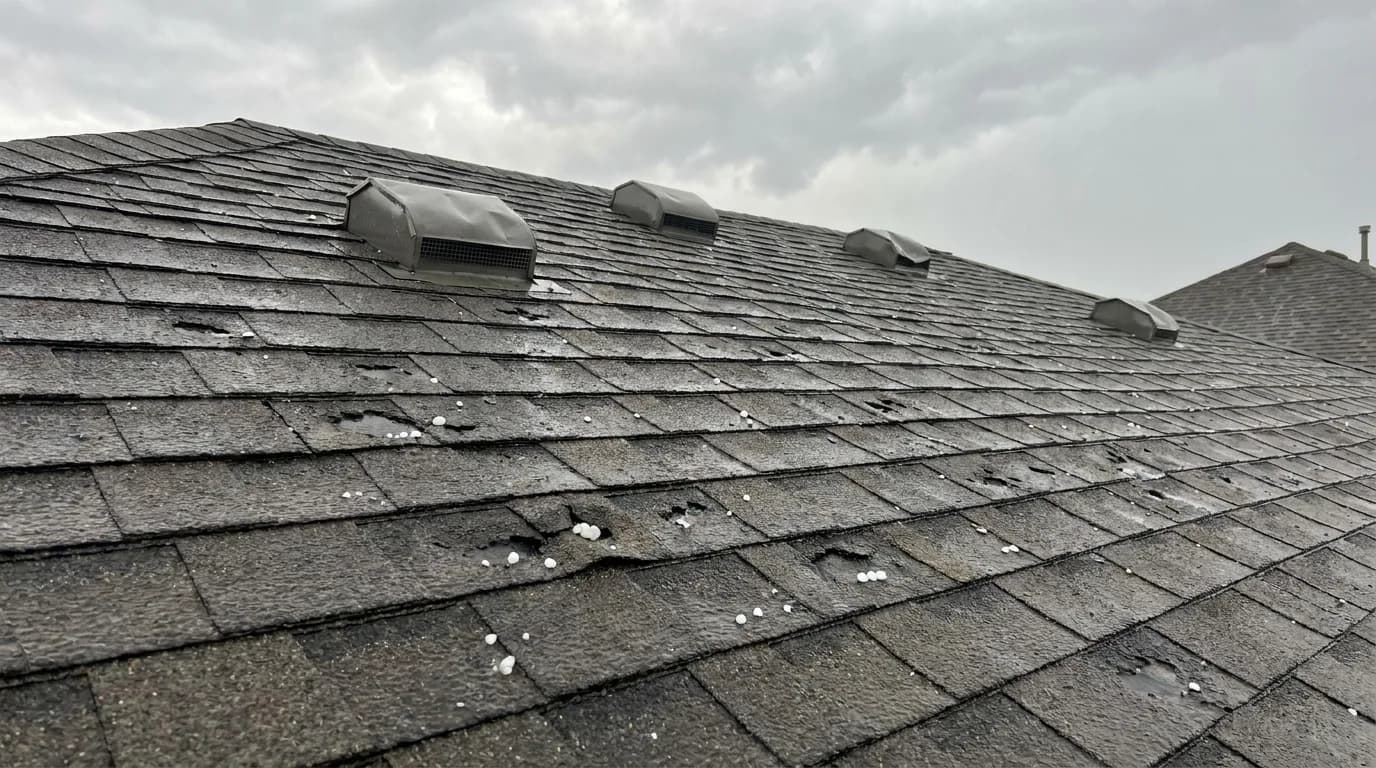
Roof financing options look very different in Alberta than in most of Canada, because so many roofs here are replaced on insurance rather than out of pocket. Airdrie, Calgary and Red Deer sit in Hailstorm Alley. The Insurance Bureau of Canada reports that Alberta has had a major hailstorm every year for two decades, with more than $11 billion in insured damage over that period, and around $6 billion in the past five years alone.
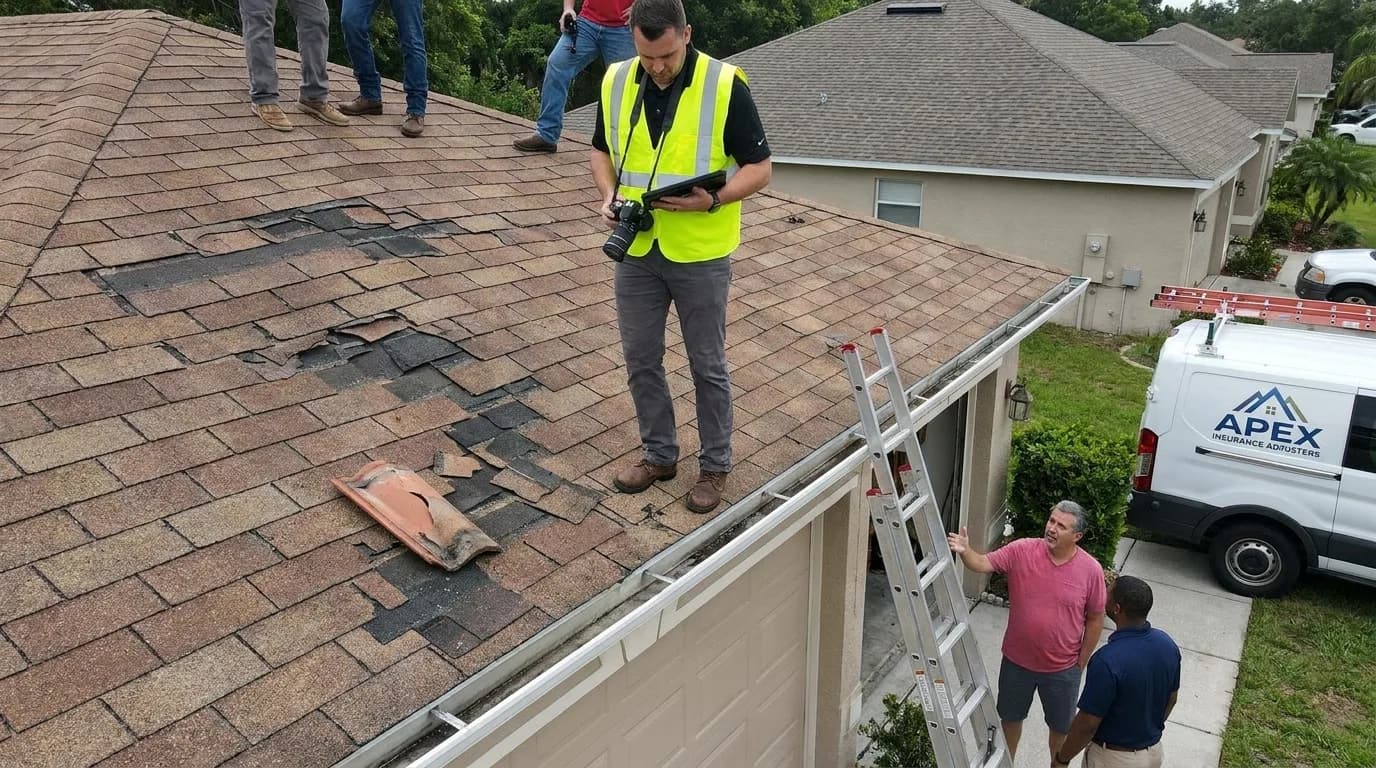
That means the first question is not "how do I borrow $15,000" but "has my roof been hit by hail or wind in the last year." A roof that looks fine from the driveway can have bruised shingles, cracked mats and dented vents from a storm you barely noticed. Most home insurance policies cover sudden storm damage, and on a covered claim your cost is typically your deductible plus any upgrades you choose, not the full price of the roof. Our hail damage roof repair team can tell you within one visit whether the damage looks claim-worthy.
The evening of August 8, 2026 is a recent example. A severe storm tracked down the Crossfield to Airdrie corridor with quarter-sized hail and damaging wind, and a lot of roofs in northwest Airdrie took a hit. If you are in Kings Heights, Reunion, Williamstown or anywhere in the northwest, get a free inspection before you assume you are paying cash. Our roof insurance claim support service documents the damage and walks you through the process.
Insurance-covered roof replacement: how the money flows
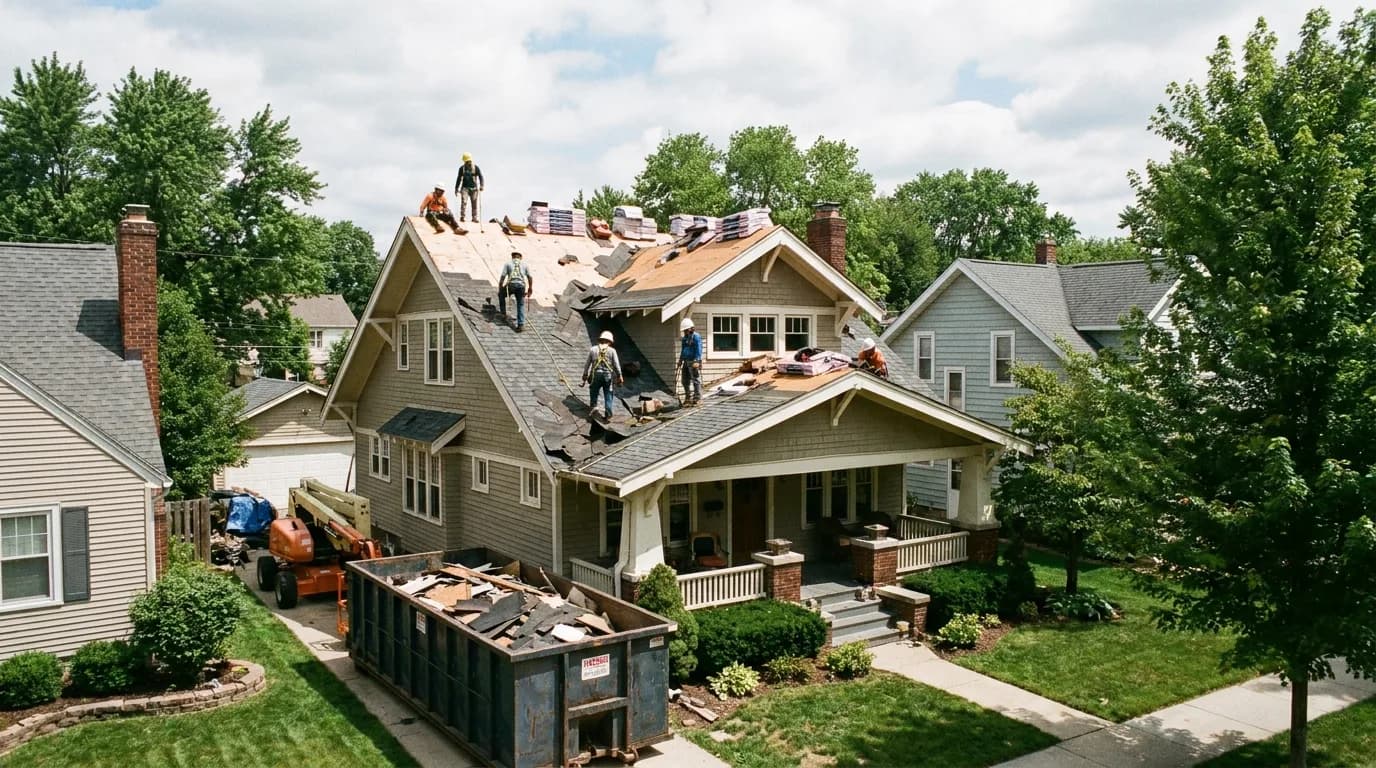
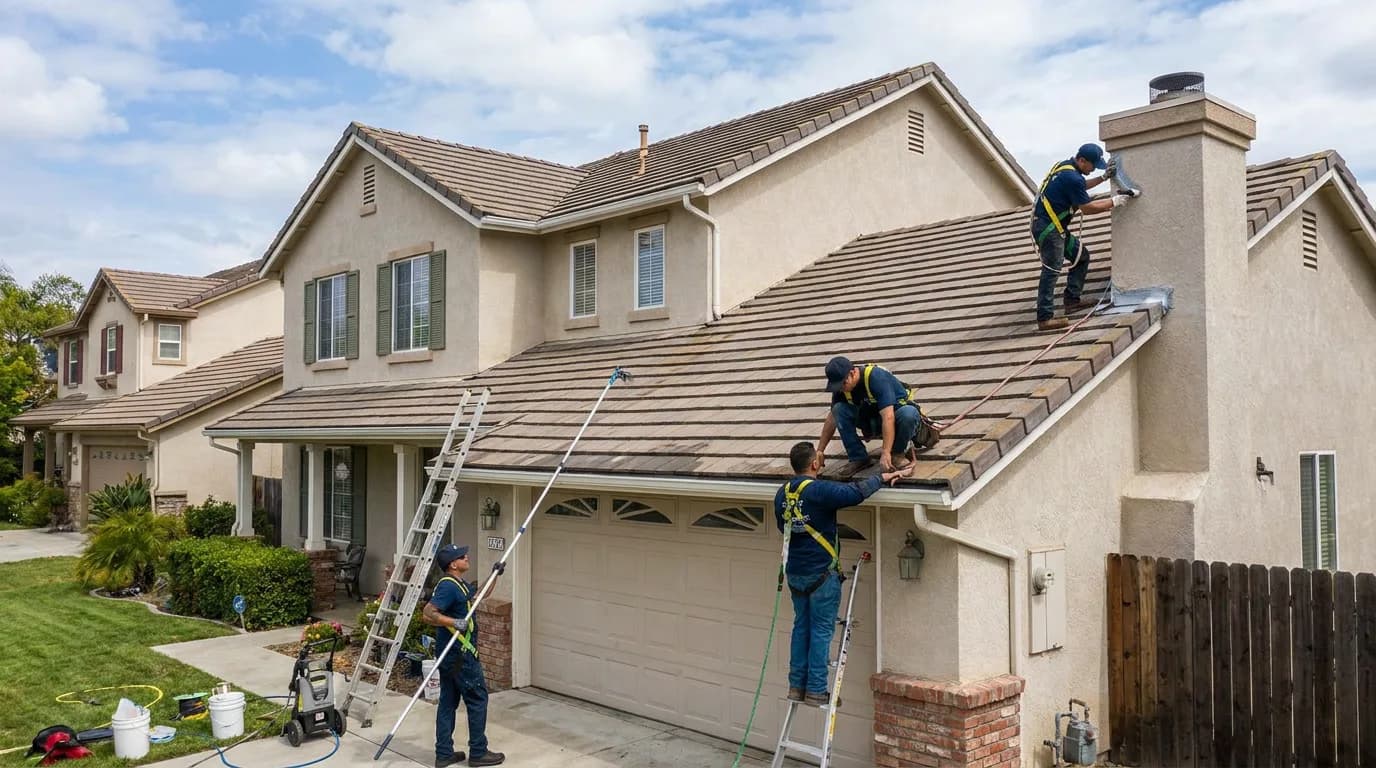
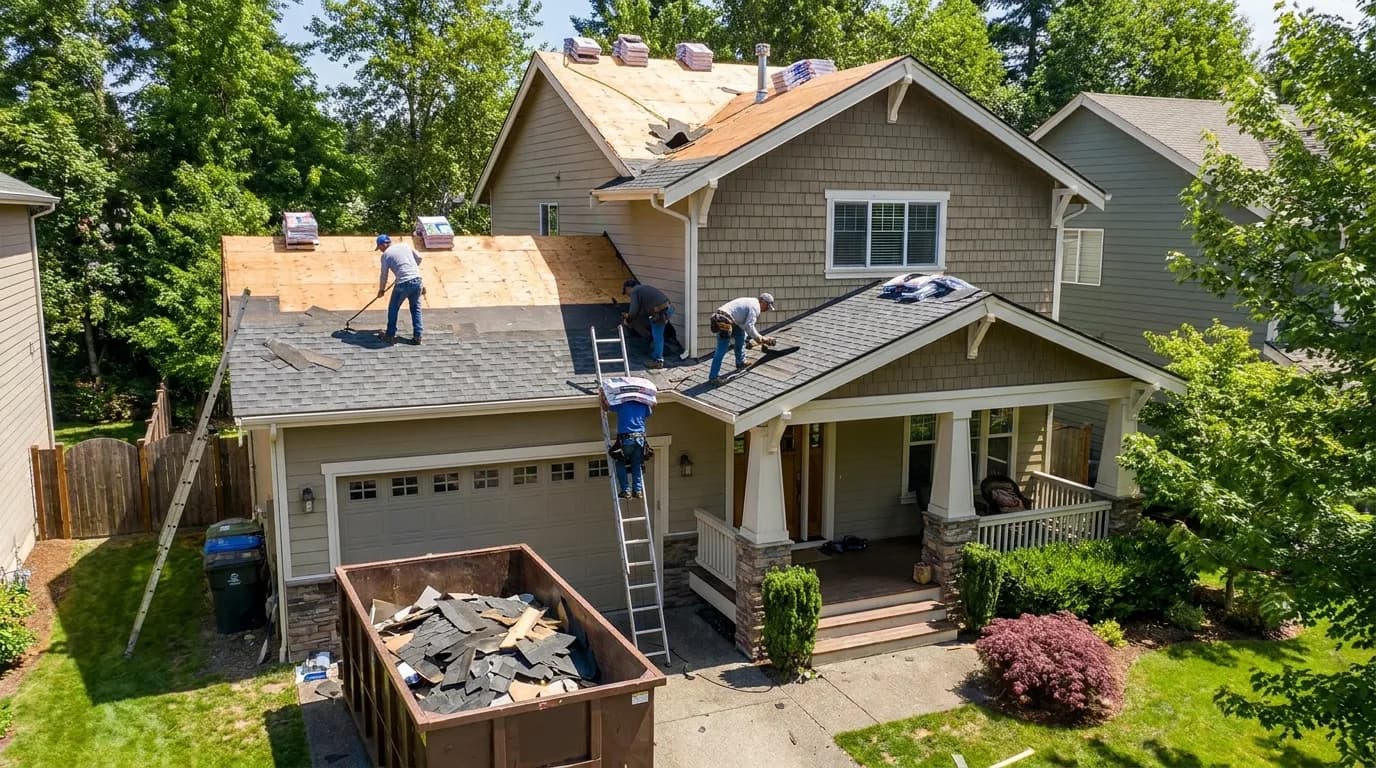
An insurance covered roof replacement follows a fairly standard path. You notice or suspect damage, a roofer inspects and documents it, you file a claim with your insurer, an adjuster inspects, and the insurer approves a scope and a dollar figure. You choose the contractor, the work is done, and the insurer pays out according to the policy terms. Alberta homeowners choose their own contractor, and you are not obliged to use anyone the insurer suggests.
Two terms decide how much lands in your account. Actual cash value (ACV) is the replacement cost minus depreciation for the age of the old roof. Replacement cost value (RCV) is the full cost to replace. Many policies pay ACV up front and release the recoverable depreciation, the difference, once the work is complete and invoiced. If you never do the work, you may never see the second cheque. Our guide to ACV versus RCV on a roof insurance claim explains this in detail.
Deadlines matter. Many insurers require hail claims to be filed within 12 months of the storm, and some policies have shorter windows. Deductibles on Alberta policies have also been rising, and some now carry a separate, higher deductible for hail or wind. Confirm your deductible, your deadline and whether your policy is ACV or RCV with your insurer or broker before you plan around a claim.
HELOC for a roof: usually the cheapest borrowed money
If the roof is simply old and worn, which insurance does not cover, a home equity line of credit is usually the cheapest way to borrow. A HELOC for roof work is secured against your home, so the interest rate is normally the lender's prime rate plus a small margin, well below unsecured loans and far below credit cards. You draw only what you need, pay interest only on the outstanding balance, and can pay it down on your own schedule.
The catch is setup. If you do not already have a HELOC, opening one involves an application, an appraisal in some cases and legal fees, and it can take a few weeks. Federally regulated lenders cap HELOCs at 65 percent of the home's value on the revolving portion, and you need enough equity to qualify. On a home bought in the last few years with a small down payment, that equity may not be there yet.
Many homeowners with a readvanceable mortgage already have a HELOC attached to it without realising. Check your mortgage paperwork or call your lender. If you have one, financing a $12,000 to $16,000 roof at a rate close to prime and paying it down over a few years is about as cheap as borrowing gets.
Personal loans and unsecured lines of credit
If you do not have enough equity for a HELOC, or you need the money faster, a personal loan or an unsecured line of credit from your bank or credit union is the next step. Rates are higher than a HELOC because there is no collateral, but they are still far better than credit cards. Approval is usually quick, often within a few days, and you do not need an appraisal.
A personal loan gives you a fixed amount, a fixed rate and a fixed monthly payment over a set term, which makes budgeting simple. An unsecured line of credit works like a HELOC without the house as security: variable rate, draw what you need, pay interest on the balance. Alberta credit unions and the big banks all offer both, and it is worth getting two quotes because the rate spread between lenders can be several percentage points.
Avoid financing a roof on a credit card unless you are paying it off within the interest-free window. Card rates are typically well above 19 percent, and a $12,000 balance at that rate compounds fast. If a card is your only option, ask your bank about a lower-rate balance transfer or a small consolidation loan before the work starts.
Contractor financing: what to ask
Contractor financing is common in the roofing industry, and it is worth understanding what it actually is. When a roofing company offers "financing," it is almost always a third-party lender or a buy-now-pay-later provider the contractor has partnered with. The contractor gets paid in full up front, and you owe the lender. Ask whether your contractor offers third-party financing, and if so, ask who the lender is and get the full terms in writing.
- What is the annual interest rate, and is it fixed or variable?
- What is the term, and what is the total amount repaid over that term?
- Are there setup fees, admin fees or a dealer fee built into the quote?
- Is there a "no interest if paid in full by" window, and what happens to the interest if you miss it?
- Is the loan secured against the home?
- Can you pay it off early without penalty?
Some programs are genuinely competitive, especially promotional zero-interest terms for 6 to 12 months if you can clear the balance. Others carry rates that rival credit cards, hidden in a low monthly payment stretched over 10 years. Compare the total repaid, not the payment, against a HELOC or bank loan before you sign. A financing offer should never be a reason to skip getting a second roofing quote.
Grants and rebates: what actually applies to roofing
Homeowners often ask about government grants for a new roof, and the honest answer is that very few exist for shingles. Federal and provincial energy programs target measurable energy savings, and replacing asphalt shingles with asphalt shingles does not qualify. The federal Canada Greener Homes Grant closed to new applicants in 2024, and the Canada Greener Homes Loan that continued after it has covered eligible retrofits such as attic insulation, air sealing and heat pumps, not roofing on its own.
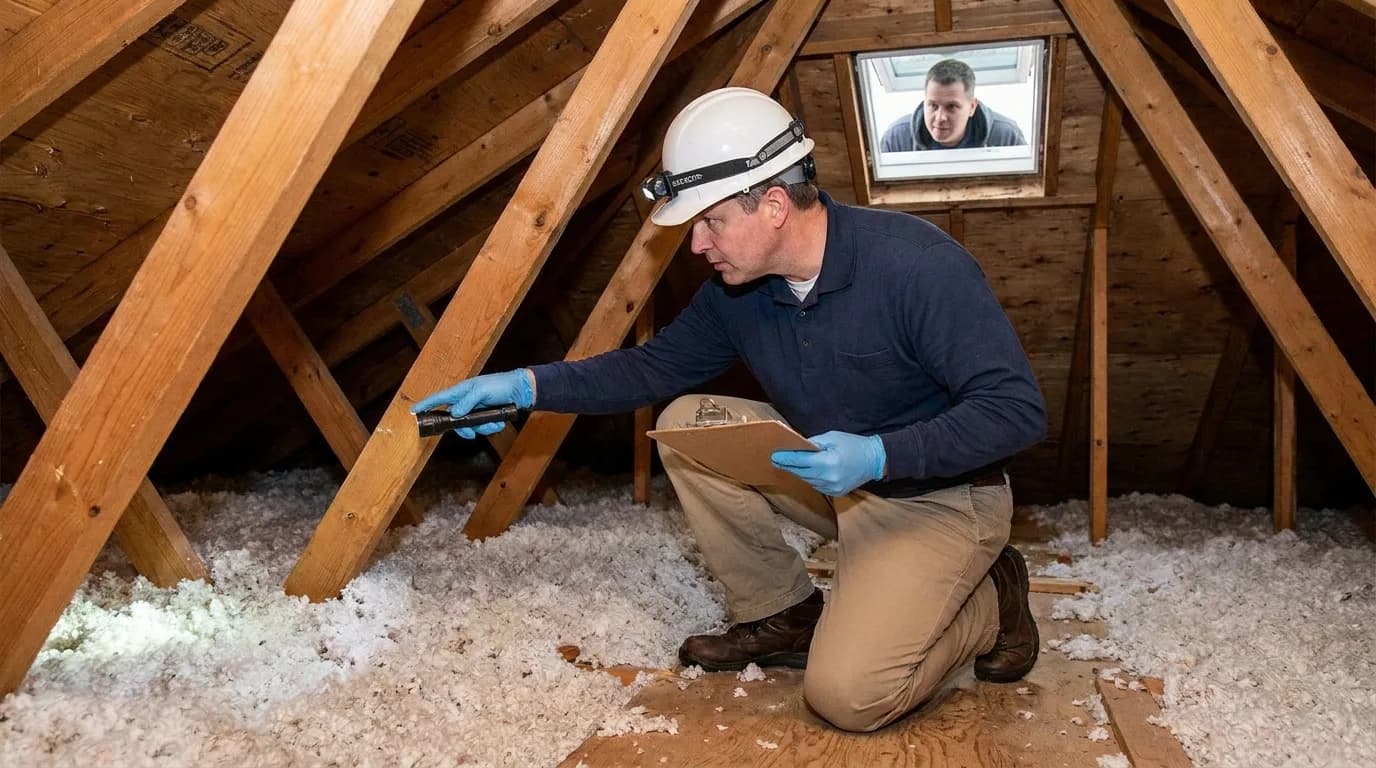
Where roofing and rebates overlap is the attic. Adding insulation and correcting ventilation while the roof is off is efficient, and those items have qualified for federal and utility rebates at various times. Some Alberta municipalities also run a Clean Energy Improvement Program that finances energy upgrades through property taxes; rooftop solar is a common eligible item, shingles are not. Programs change every year, so check the current rules on the Government of Canada and Government of Alberta websites, or with an energy advisor, before counting on any rebate.
Treat any contractor who promises a "government roof grant" with caution. That pitch is a common storm-chaser tactic in Alberta, and it usually leads to a pressured signature rather than a cheque. The only common form of outside money for a roof in this province is an insurance claim.
Paying cash and timing the job
If you can pay for a new roof outright, timing is your main lever. Roofing demand in Alberta spikes after hailstorms and through summer. Booking in spring or fall, or lining up a winter install with a contractor set up for cold-weather work, can improve both the price and the scheduling. Our article on roof replacement in winter in Alberta explains what changes in cold weather.
Bundling saves money too. Replacing eavestroughs, fixing a skylight or adding attic insulation while the roof is off costs less than doing each on its own, because the setup, ladders and cleanup are shared. Ask for those items as separate lines on the quote so you can see the real cost of adding them.
Whatever you do, do not pay the full amount up front. A reasonable deposit to secure materials and a date is normal; full payment before a single shingle is off is not. Pay the balance when the work is complete and you have walked the roof, or the photos, with the crew.
Comparing the options side by side
Here is how the main ways to pay for a new roof in Alberta compare on a $14,000 asphalt replacement, a typical figure for a two-storey Airdrie home as covered in our pillar guide on roof replacement cost in Airdrie. Rates are illustrative only; check current rates with your own lender.
| Option | Typical cost to you | Speed | Best for |
|---|---|---|---|
| Home insurance claim (covered storm damage) | Deductible, often $1,000 to $2,500, plus any upgrades | Weeks to a few months | Any roof with recent hail or wind damage |
| HELOC | Prime plus a small margin; interest only on the balance | Days if existing, weeks if new | Homeowners with equity who want the lowest rate |
| Personal loan | Higher fixed rate; fixed payment over 2 to 7 years | A few days | Predictable budgeting without home equity |
| Unsecured line of credit | Variable rate above prime; pay interest on the balance | A few days | Flexibility without an appraisal |
| Third-party contractor financing | Ranges from promotional 0 percent to card-like rates | Same day | Convenience; only if the terms beat your bank |
| Credit card | Usually 19 percent or more | Instant | Only if paid off within the interest-free window |
| Cash or savings | No interest | Immediate | Anyone who can, especially in the shoulder season |
The pattern is simple. Check insurance first, then use the cheapest secured borrowing you have, then unsecured bank lending, and treat contractor financing and credit cards as convenience options to compare against the others rather than default choices.
Getting a written quote before you borrow
No lender, insurer or sensible homeowner should commit to a number before the roof has been measured and inspected. A written, itemised quote tells you exactly what you are financing: tear-off, decking allowance, underlayment and ice-and-water shield, the shingle product and grade, flashing, ventilation, cleanup and the workmanship guarantee. It also tells you whether any of the damage looks like a claim rather than a bill.
If you are borrowing, ask the contractor to hold the quote long enough for the financing to come through, and confirm the deposit and payment schedule in writing. If you are claiming, get the quote before the adjuster visits so the scope can be compared line by line.
Apex Roofing Airdrie provides free, no-obligation on-site estimates with itemised written quotes for roof replacement, and supports you through the documentation on hail and storm claims. We will tell you honestly whether the damage looks claim-worthy or whether you are looking at a straightforward replacement, so you can choose the right way to pay for it.
Written by the Apex Roofing Airdrie crew
Practical guidance from the local roofers who inspect, repair and replace roofs across Airdrie and Rocky View County every season. We review our guides against current Alberta practice and update them when materials, code or insurer behaviour changes. About our team.