In this guide
- 01What Is Roof Sealant, and Where Does It Fit on a Roof?
- 02Types of Roof Sealant and Coating Compared: Silicone, Polyurethane, Butyl, Acrylic and Roof Cement
- 03What Roof Sealant Can Genuinely Fix
- 04What Roof Sealant Cannot Fix, and the Limits Retailers Do Not Mention
- 05Roof Sealant for Leaks: A Real Fix, or Just a Temporary Patch?
- 06Flat Roof Coating: Silicone Roof Coating and Elastomeric Options for Low-Slope Roofs
- 07How Roof Sealant and Coating Are Applied, and Why Temperature Matters
- 08Roof Sealant and Coating Cost: A Rough 2026 Alberta Market Guide
- 09Why Sealant Fails Faster in Airdrie: Hail, Chinook Wind and Freeze-Thaw
- 10Sealant, Manufacturer Warranty and Insurance: What a DIY Patch Can Cost You Later
- 11Signs the Sealant Has Failed and It Is Time to Repair or Reroof
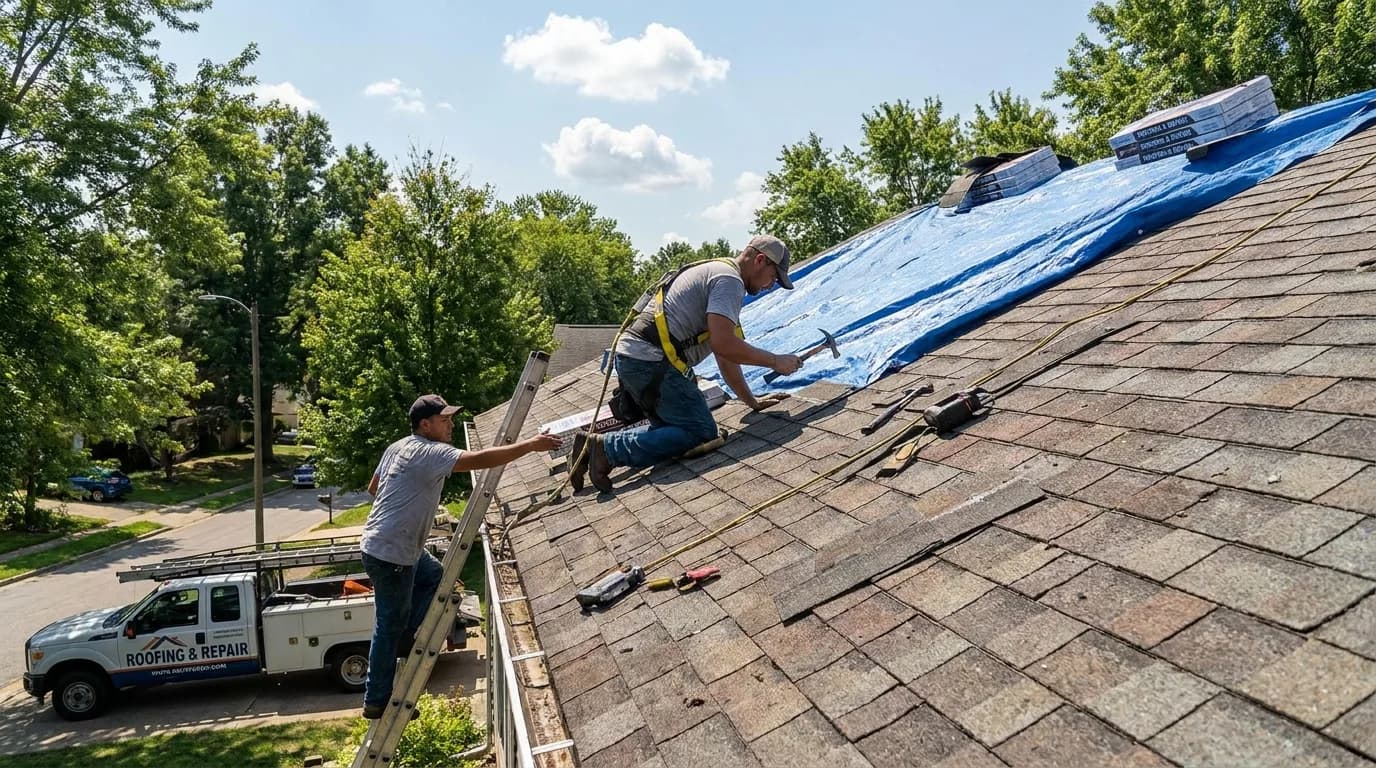
- 12DIY Sealant vs Calling a Roofer: When Each Makes Sense
What Is Roof Sealant, and Where Does It Fit on a Roof?
Roof sealant is a flexible, waterproof compound used to close small gaps, cracks and penetrations on a roof so water cannot pass through them. It comes in caulking-gun tubes, roller-and-bucket coatings and spray cans, and every version does the same basic job: bridging a gap that flashing, shingles or membrane alone cannot seal on their own. It is a detail product, not a roofing material, and it finishes off the seams, penetrations and edges where two materials meet.
On an Airdrie roof, sealant usually shows up at chimney and skylight flashing, around pipe boots and nail heads, along the edge of a repair patch, and across an entire flat or low-slope roof as a roof coating rather than a spot fix. Roof coating is the broader term for a product rolled or sprayed over a whole membrane to extend its life; the difference from sealant is area covered, not chemistry. Both products are meant to close small, well-defined gaps, not to hold back water that a failing shingle, membrane or flashing detail can no longer keep out on its own.
Types of Roof Sealant and Coating Compared: Silicone, Polyurethane, Butyl, Acrylic and Roof Cement
Not every roof sealant is built for the same job, and using the wrong chemistry is a common reason a patch fails within a season. The five families sold in Airdrie hardware stores balance flexibility, adhesion, UV resistance and price differently, which matters on a climate that swings from minus 30 to plus 30 in the same year.
| Sealant type | Best use | Flexibility & UV life | Typical downside |
|---|---|---|---|
| Silicone | Flashing, vents, flat roof coating | Excellent flexibility, very good UV resistance | Cannot be painted over; more expensive |
| Polyurethane | Flashing joints, expansion joints, general repair | Good flexibility, decent UV life | Slower cure, needs a clean dry surface |
| Butyl rubber | Metal roofing seams, lap joints | Very good flexibility, moderate UV life | Stays slightly tacky, attracts dirt |
| Acrylic (latex) | Small hairline cracks, paintable trim | Fair flexibility, shorter UV life | Cracks again sooner in freeze-thaw |
| Roof cement (asphalt-based) | Small shingle repairs, tar-paper patches | Poor flexibility once cold, moderate UV life | Goes brittle in winter, slumps in summer heat |
Silicone is generally the strongest all-round performer and is also the base chemistry behind most silicone roof coating products used on flat roofs. Polyurethane is the common choice for flashing joints on sloped asphalt or metal roofs. Roof cement is cheap and still widely used for small shingle repairs, but it cracks in winter and slumps in summer heat here, so treat it as a short-term patch rather than a lasting fix.
What Roof Sealant Can Genuinely Fix
Used correctly, roof sealant is good at closing small, well-defined gaps: a nail head that has backed out and started weeping, a hairline crack in old roof cement around a vent boot, or a pinhole in a rubber pipe collar. These are single-point failures where the surrounding material is otherwise sound, and a tube of sealant on a dry, mild day genuinely stops water there.
Sealant also does useful preventative work: dabbing over exposed nail heads after a repair, sealing the cut edge of new flashing, or renewing a flat roof coating that has thinned but not yet failed. Used this way it extends the life of details that are still sound, rather than trying to rescue ones that have already failed.
What Roof Sealant Cannot Fix, and the Limits Retailers Do Not Mention
Sealant cannot replace flashing, underlayment or shingles, and it will not stop water finding its way under a shingle that has lost its seal, rebuild a rotted deck, or hold back water pooling because a roof has lost slope. A common, costly mistake is smearing sealant over a wide area of failing shingles or a cracked flashing run, which buys a few months and often makes the real repair harder because the sealant has to be scraped off first.
Sealant also cannot fix a leak whose source sits somewhere else. Water travels sideways under shingles before it drips through a ceiling, so the interior stain is rarely directly under the failed detail outside. Sealing the spot above the stain without tracing the actual entry point is one of the most common reasons a fixed roof keeps leaking; our guide on why your roof is leaking covers how to find the real source first.
There are two specific failures sealant cannot bridge no matter how it is applied. Once a shingle has lost its factory seal strip, the adhesive bond that keeps neighbouring shingles locked flat against wind uplift, no surface product restores that bond; the shingle will keep lifting in wind until it is re-secured or replaced. A valley that has worn through to bare metal or exposed felt is the other: valleys carry more water than any other part of the roof, and a worn-through valley needs a new valley liner underneath the shingles, not a bead of sealant on top of a surface that is already failing from below.
Roof Sealant for Leaks: A Real Fix, or Just a Temporary Patch?
The honest answer is that roof sealant for leaks is almost always a temporary patch, not a permanent repair, even with a premium silicone product applied correctly. Sealant adheres to the surface rather than integrating with the roofing system the way a properly lapped shingle or formed flashing does, so every sealed joint needs checking and eventually renewing, typically every one to three years.
That does not make sealant useless. It is the right call for stopping an active drip until a proper repair can be scheduled, and a sensible maintenance step on flashing that is otherwise sound. What it should never become is a repeated fix on the same spot; sealing the same nail head or flashing corner a second or third time means the underlying material has failed and sealant is only buying delay.
Flat Roof Coating: Silicone Roof Coating and Elastomeric Options for Low-Slope Roofs
Flat and low-slope roofs, common on garages, additions and some Airdrie bungalow porches, use roof coating differently than a sloped shingle roof does. Rather than sealant at specific details, a coating is rolled or sprayed across the whole membrane, adding a continuous waterproof, UV-reflective layer over an EPDM, TPO, torch-on or built-up roof that is aging but structurally sound. Silicone roof coating is the most common choice because it resists ponding water and UV breakdown better than acrylic or asphalt-based options.
Think of a flat roof coating as a life-extension product, not a replacement for a failed membrane. It works well on a roof with intact seams and no soft deck areas underneath, buying roughly five to ten years as a general guide. It does not work over open seams, existing ponding damage or a wet substrate, since coating a roof that is already failing traps moisture and can accelerate the problem. Our flat roof repair cost and materials guide breaks down the full membrane options.
How Roof Sealant and Coating Are Applied, and Why Temperature Matters
Application matters as much as the product. Surfaces need to be clean, dry and free of loose granules or old failed sealant before a new bead goes down, because sealant bonds to the surface, not through it. Skipping prep is the single biggest reason a fresh application fails within weeks. Most manufacturers also specify a minimum application temperature, commonly somewhere between about 4°C and 13°C, and applying below that is one of the most overlooked limits on the label.
That window rules out a meaningful stretch of the Airdrie calendar. Late fall through early spring regularly sits below the minimum application temperature, and even a mild-looking day can have a frost-cold roof surface long after the air has warmed. The reliable application window in most years runs from late May through September, with June and early September often the best combination of warm, dry days without July's midday heat, which can cure a coating too fast to form a proper film.
Roof Sealant and Coating Cost: A Rough 2026 Alberta Market Guide
The material cost of roof sealant is small; real roof sealant cost comes from labour, access and how much area needs covering. The ranges below are a rough 2026 Alberta market guide in Canadian dollars, not a quote.
| Job | What is involved | Rough 2026 cost (CAD, guide) |
|---|---|---|
| Tube of sealant, DIY | One tube, caulking gun, small area | $10-$25 in materials |
| Small professional sealant repair | One or two details, a service call | $150-$400 |
| Multiple flashing/penetration repairs | Several details in one visit | $350-$900 |
| Flat roof silicone coating | Full membrane, typical garage or porch roof | $1,500-$5,000+ depending on size and prep |
| Full reroof, for comparison | Tear-off and new shingles, average home | See our roof replacement cost guide |
The jump between a small sealant repair and a full flat roof coating job reflects labour and prep, not the price of material. Once a roof needs coating across most of its surface, or sealant at more than two or three separate details in one visit, the maintenance cost is climbing toward what a proper repair or partial reroof would cost, and it is worth pricing both side by side.
Why Sealant Fails Faster in Airdrie: Hail, Chinook Wind and Freeze-Thaw
Airdrie sits in what is often called Alberta's Hailstorm Alley, and that affects sealant two ways. First, hail impact is not something roof sealant can prevent; a direct hit bruises shingle mat, knocks granules loose or dents flashing, and sealant on the surface does nothing to the impact energy hitting the roof. Second, a homeowner who smears sealant over hail-damaged flashing or shingles to stop a small leak can mask the very bruising and granule loss an adjuster needs to see to approve a claim. If a storm has hit your roof, get it inspected before reaching for a caulking gun.
Chinook winds add a stress most sealant is not tested against. Airdrie can swing from around minus 20 to plus 10 within a few hours during a Chinook, and that pattern repeats through the winter. Every such swing expands and contracts the materials on either side of a sealant joint. Cheaper acrylic and roof cement products lose their grip after repeated cycles far sooner than in a milder climate, which is why a sealant repair that looks fine in October can be cracked again by March.
Freeze-thaw compounds it further. Water that gets behind a bead before it fully cures, or finds a hairline gap, freezes and expands, prying the joint open with each cycle. This is why the one-to-three-year renewal interval mentioned earlier tends to sit at the shorter end here, and why the application-temperature window above is worth respecting rather than rushing. A sealant joint checked and renewed on a fixed annual schedule, rather than only after a leak shows up, holds up noticeably better through an Airdrie winter than one left alone until it fails.
Sealant, Manufacturer Warranty and Insurance: What a DIY Patch Can Cost You Later
Two paperwork issues are worth knowing before you patch a roof yourself. Some asphalt shingle warranties exclude coverage where certain sealants or coatings have been applied over the shingle surface, because the manufacturer cannot verify what the product does to the shingle's own waterproofing over time. This varies by brand, so confirm with your shingle manufacturer or contractor before coating a roof still under warranty.
The second issue is insurance. A leak that follows a hailstorm or windstorm is often an insurable event, but sealing the damage yourself before it is inspected and documented can complicate a later claim, since an adjuster has a harder time confirming storm-related damage once it has been patched over. If you suspect storm damage, photograph it and confirm with your insurer or broker how they want it documented before repairs begin.
Signs the Sealant Has Failed and It Is Time to Repair or Reroof
A few signs mean sealant has stopped working, not just needs a thin top-up over what is already there.
- Cracking or crazing across the surface of the bead.
- A chalky or crumbly texture when you press it.
- A section pulled away from one side of the joint.
- A stain reappearing in the same spot inside the house.
- Fresh sealant added over old, failed sealant without cleaning back to sound material first.
The bigger pattern is frequency. Sealing the same flashing corner, valley or section of flat roof more than once or twice is not a sealant problem, it is a sign that specific roofing detail has reached the end of its life. Our pillar guide to the signs you need a new roof covers the broader indicators, including granule loss, curling and deck sag, that tell you whether the rest of the roof is heading the same way.
DIY Sealant vs Calling a Roofer: When Each Makes Sense
A single, clearly identified small gap, on a mild dry day, on a roof that is otherwise sound, is a reasonable DIY roof sealant job. That covers most nail pops, small pipe boot cracks and a touch-up on a flashing edge you can reach safely. Buy a quality silicone or polyurethane product rather than the cheapest tube, follow the temperature guidance on the label, and treat the result as a one-to-two-year fix, not a permanent one.
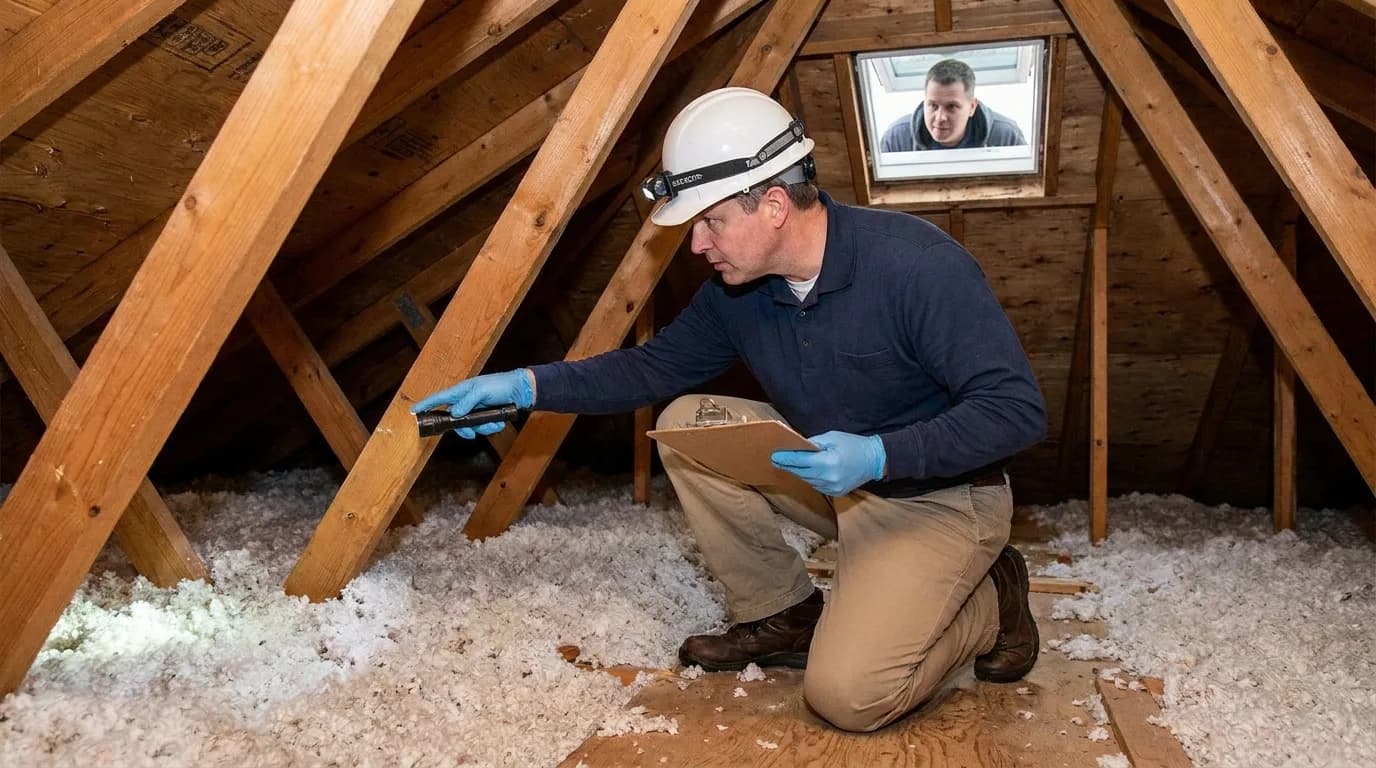
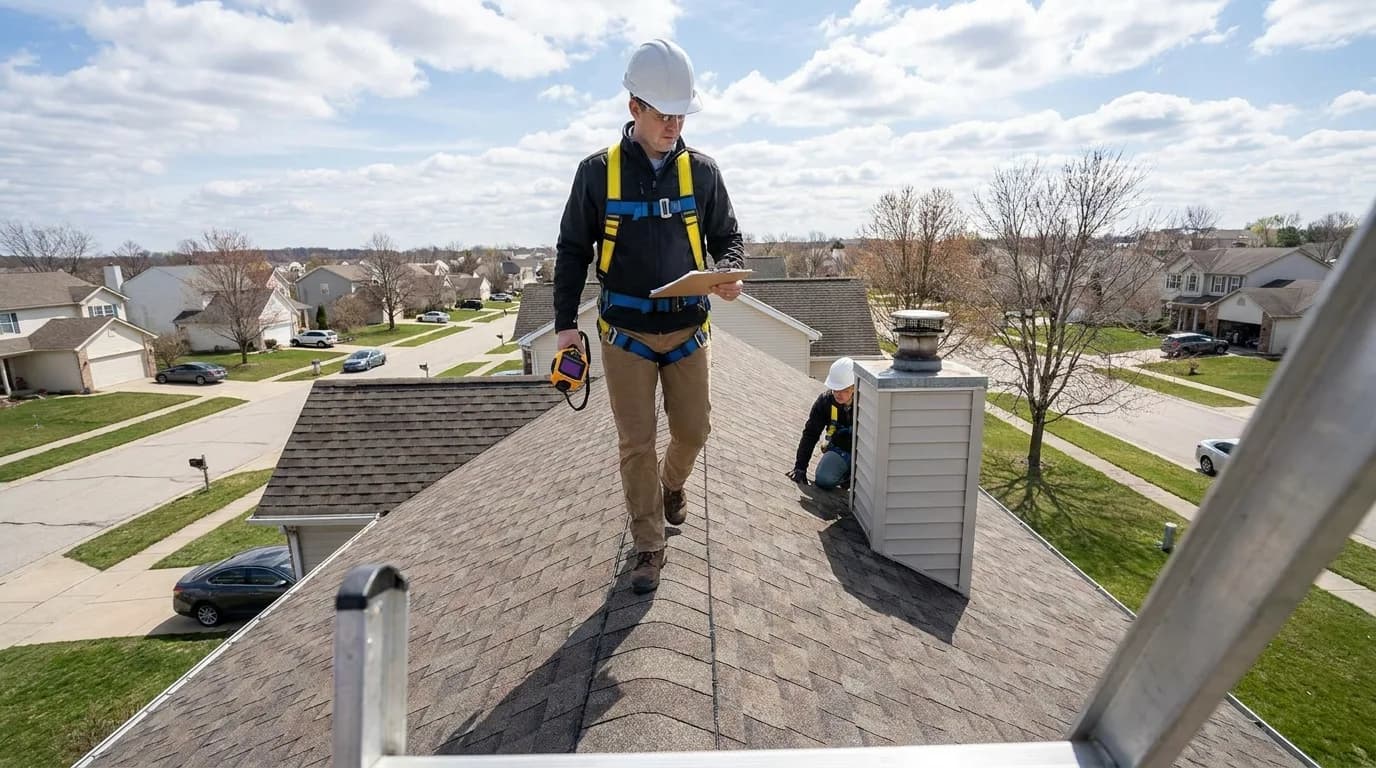
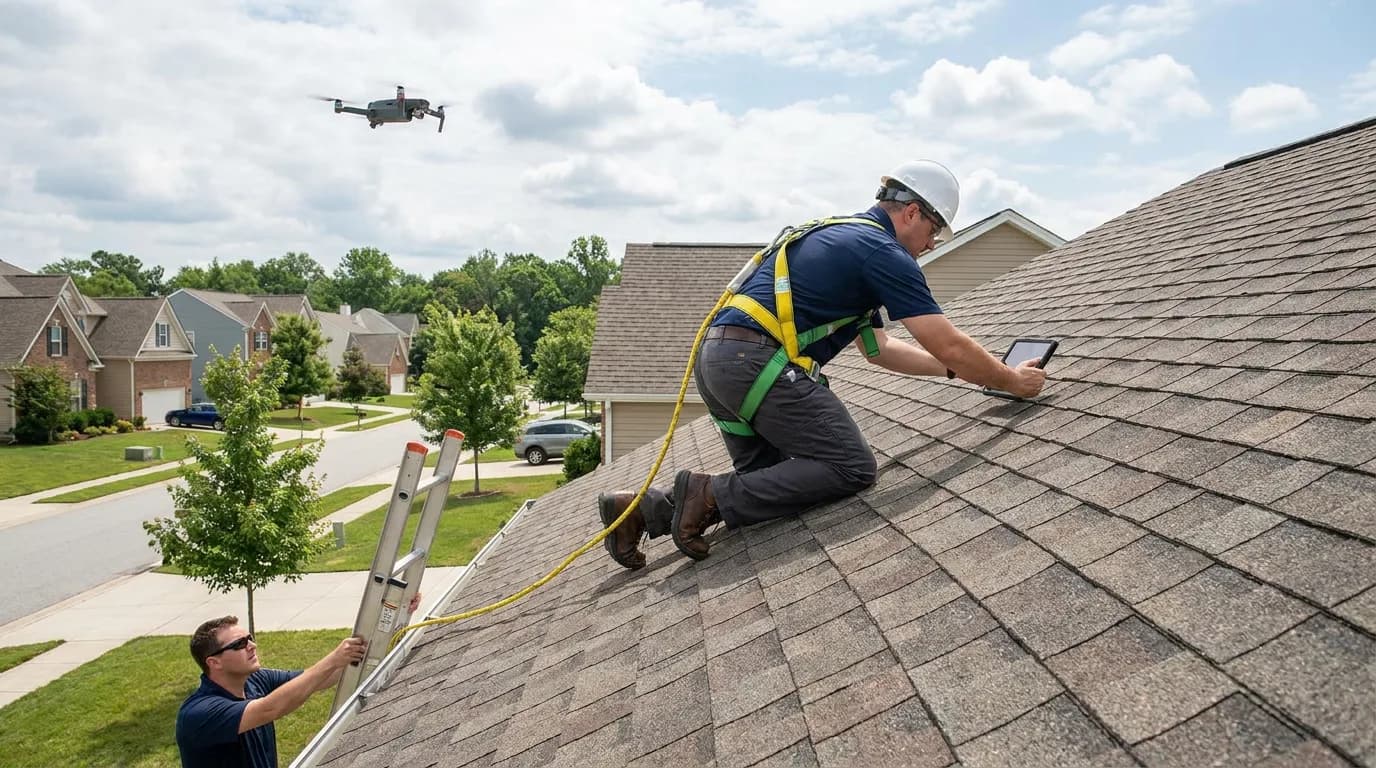
Call a roofer when the leak's source is not obvious, the damage covers more than one or two details, a flat roof needs a full coating rather than a spot patch, the damage followed a hailstorm, or you have already patched the same spot before. A roof inspection settles it quickly, and a contractor can tell you honestly whether sealant, a targeted roof repair, or a full reroof is the right call, weighed against our roof repair versus replacement guide.
A yearly walk-around, paired with eavestrough and gutter checks, catches most sealant failures before they reach the ceiling. Apex Roofing Airdrie's roof maintenance service checks every sealed detail during a scheduled visit, and our Alberta roof maintenance checklist is a good companion for the seasonal walk-around between visits.
Written by the Apex Roofing Airdrie crew
Practical guidance from the local roofers who inspect, repair and replace roofs across Airdrie and Rocky View County every season. We review our guides against current Alberta practice and update them when materials, code or insurer behaviour changes. About our team.